
How much safer is a rollercoaster than a car? | Insights by SUNHONG
- Comparing the Safety of Roller Coasters and Cars: Insights for Amusement Park Ride Procurement
- 1. How do roller coaster injury rates compare to those of car accidents?
- 2. What safety standards govern amusement park rides?
- 3. How are amusement rides inspected for safety?
- 4. What are the most common causes of roller coaster accidents?
- 5. How can amusement parks ensure the safety of their rides?
- 6. What role do ride manufacturers play in safety?
- 7. How does ride design impact safety?
- 8. What are the liability considerations for amusement parks?
- Conclusion: Why Choose SUNHONG for Your Amusement Ride Needs
Comparing the Safety of Roller Coasters and Cars: Insights for Amusement Park Ride Procurement
When evaluating the safety of amusement park rides, particularly roller coasters, it's essential to consider various factors, including statistical data, industry standards, and procurement best practices. This article addresses common questions and provides insights to assist in making informed decisions.
1. How do roller coaster injury rates compare to those of car accidents?
Statistical data indicates that roller coasters are significantly safer than car travel. In the United States, the chance of being seriously injured on a fixed-site amusement ride is approximately 1 in 15.5 million rides. In contrast, car accidents result in a higher number of injuries and fatalities annually.
2. What safety standards govern amusement park rides?
Amusement park rides are subject to rigorous safety standards. The ASTM F-24 Committee on Amusement Rides and Devices develops comprehensive standards covering design, manufacture, testing, operation, maintenance, and inspection. These standards are widely adopted and frequently updated to incorporate new technologies.
3. How are amusement rides inspected for safety?
Inspections are typically conducted by the ride owner's insurance company, which employs licensed inspectors to ensure compliance with safety standards. For instance, in California, the Amusement Ride and Tramway Unit administers the Temporary Amusement Rides Safety Inspection Program, requiring annual inspections for all temporary amusement rides.
4. What are the most common causes of roller coaster accidents?
While rare, roller coaster accidents can occur due to mechanical failures, human error, or rider behavior. Common causes include operator error, mechanical failure, and rider non-compliance with safety instructions. It's crucial for ride operators to adhere to safety protocols and for riders to follow all posted rules and instructions.
5. How can amusement parks ensure the safety of their rides?
Amusement parks can enhance ride safety by:
Adhering to established safety standards: Implementing ASTM F-24 standards and other relevant guidelines.
Conducting regular inspections: Ensuring all rides are inspected by qualified personnel before operation.
Training staff adequately: Providing comprehensive training for ride operators and maintenance personnel.
Educating riders: Displaying clear safety instructions and enforcing compliance with safety measures.
6. What role do ride manufacturers play in safety?
Ride manufacturers are responsible for designing and producing rides that meet safety standards. They collaborate with industry bodies to ensure their products are safe and reliable. Manufacturers also provide maintenance guidelines and support to assist amusement parks in maintaining ride safety.
7. How does ride design impact safety?
Modern ride designs incorporate advanced safety features, such as over-the-ride sensors, restraint locks, and emergency brakes. These technologies are continually evolving to enhance rider safety and prevent accidents.
8. What are the liability considerations for amusement parks?
Amusement parks must ensure they comply with all safety regulations and standards to minimize liability. This includes regular maintenance, staff training, and prompt response to any safety concerns. Failure to adhere to safety protocols can result in legal consequences and damage to the park's reputation.
Conclusion: Why Choose SUNHONG for Your Amusement Ride Needs
When selecting amusement park rides, partnering with a reputable manufacturer like SUNHONG offers several advantages:
Commitment to Safety: SUNHONG adheres to the highest safety standards, ensuring reliable and secure rides.
Innovative Designs: SUNHONG incorporates the latest safety technologies into their ride designs.
Comprehensive Support: From installation to maintenance, SUNHONG provides full support to ensure the longevity and safety of your rides.
By choosing SUNHONG, you invest in quality, safety, and the satisfaction of your park's visitors.

The Ultimate 2026 Guide to Theme Park Design: Master Planning, Immersive Experiences & Future Trends
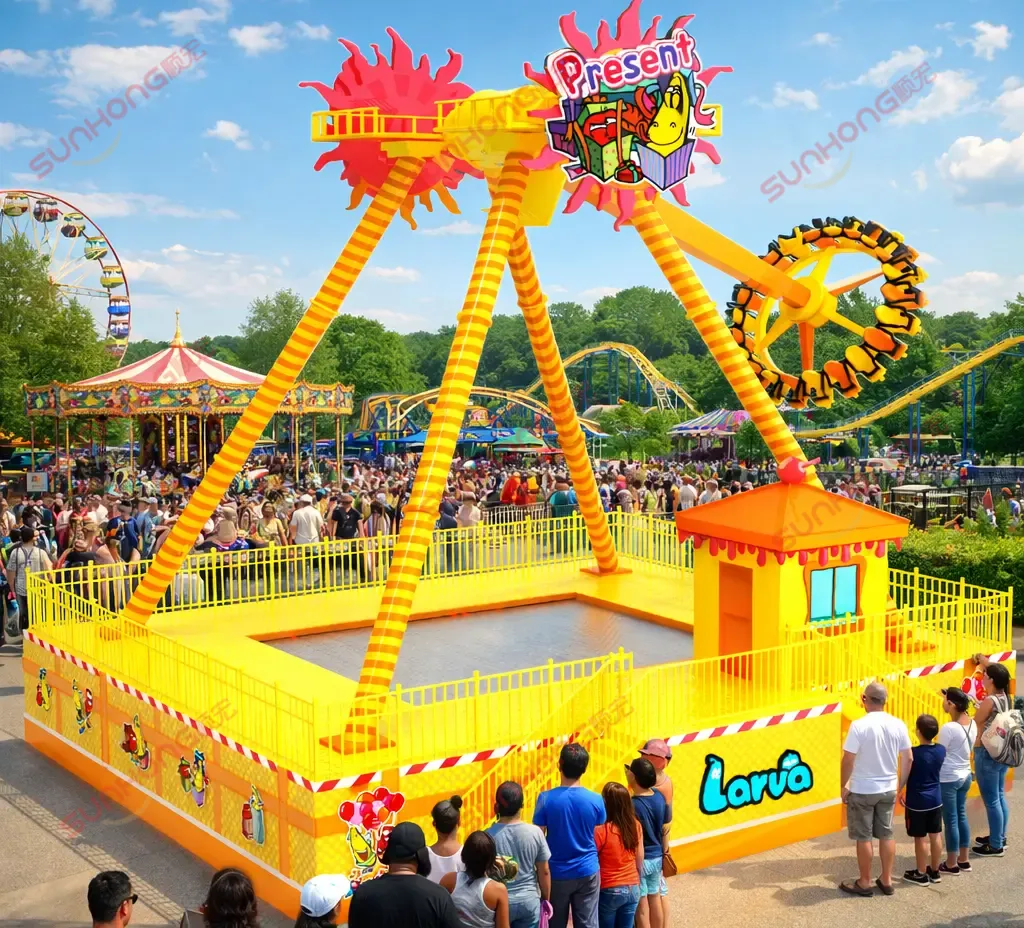
Top 10 Flat Rides: A Guide to Choosing the Best for Your Park
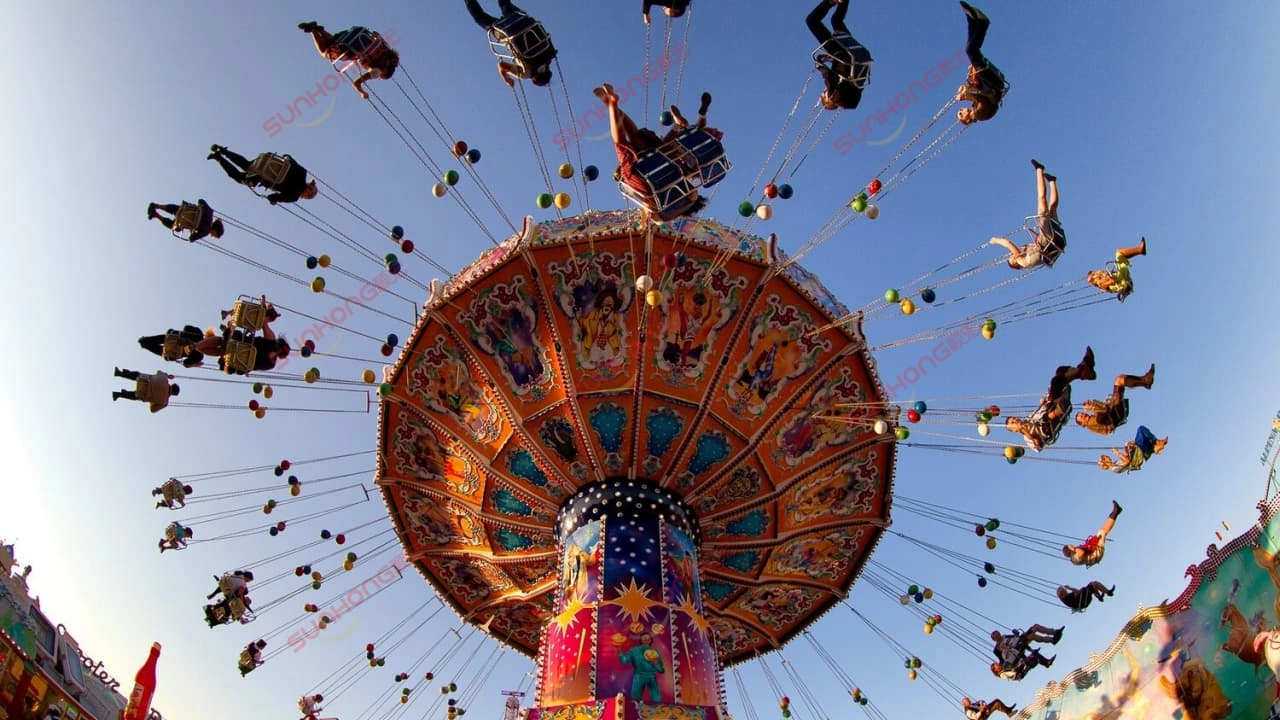
The Most Popular and Common Amusement Park Rides: A Complete Guide
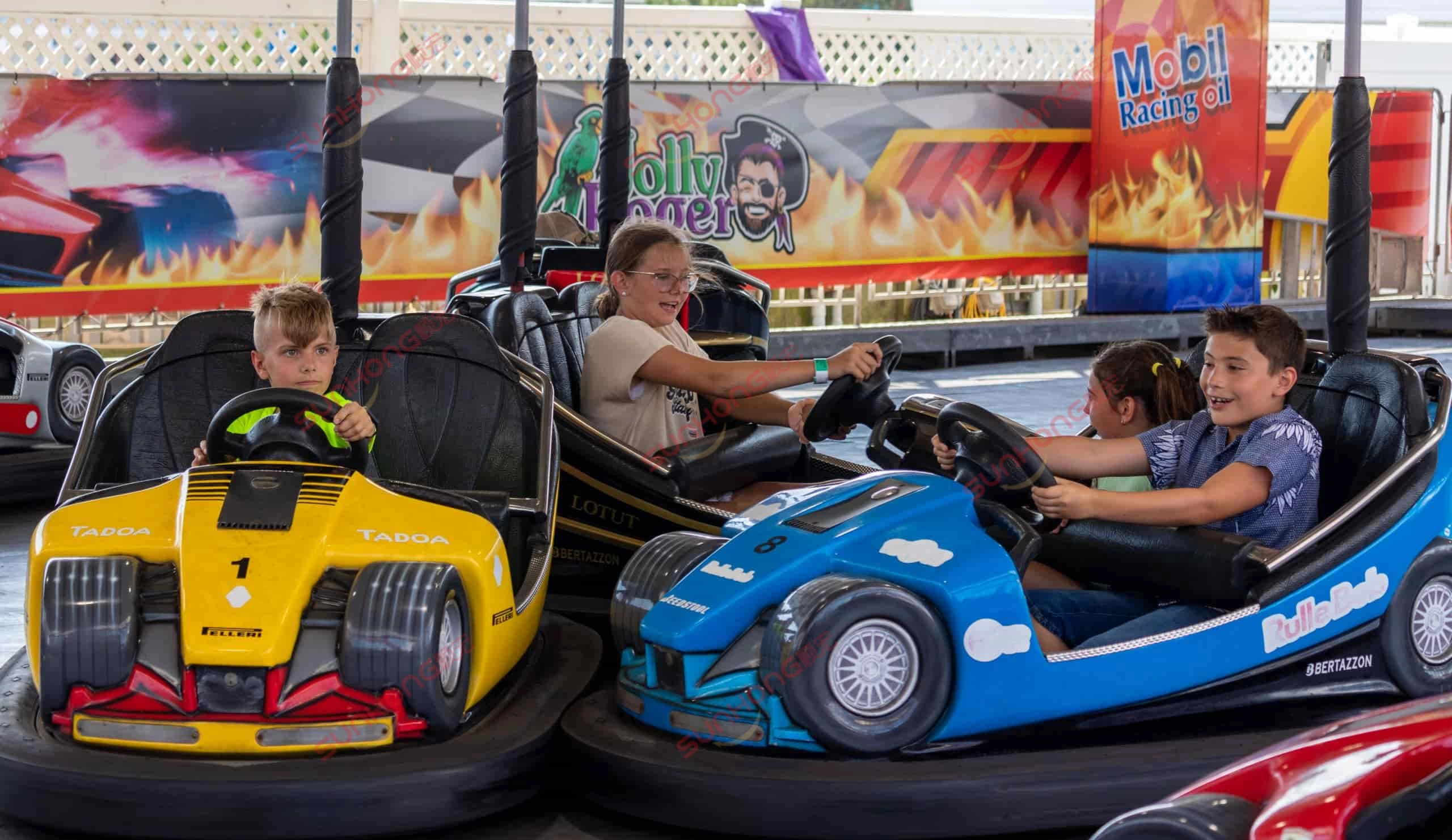
Bumper Cars (Dodgems) Explained: Types, Costs & How to Choose the Best Ones
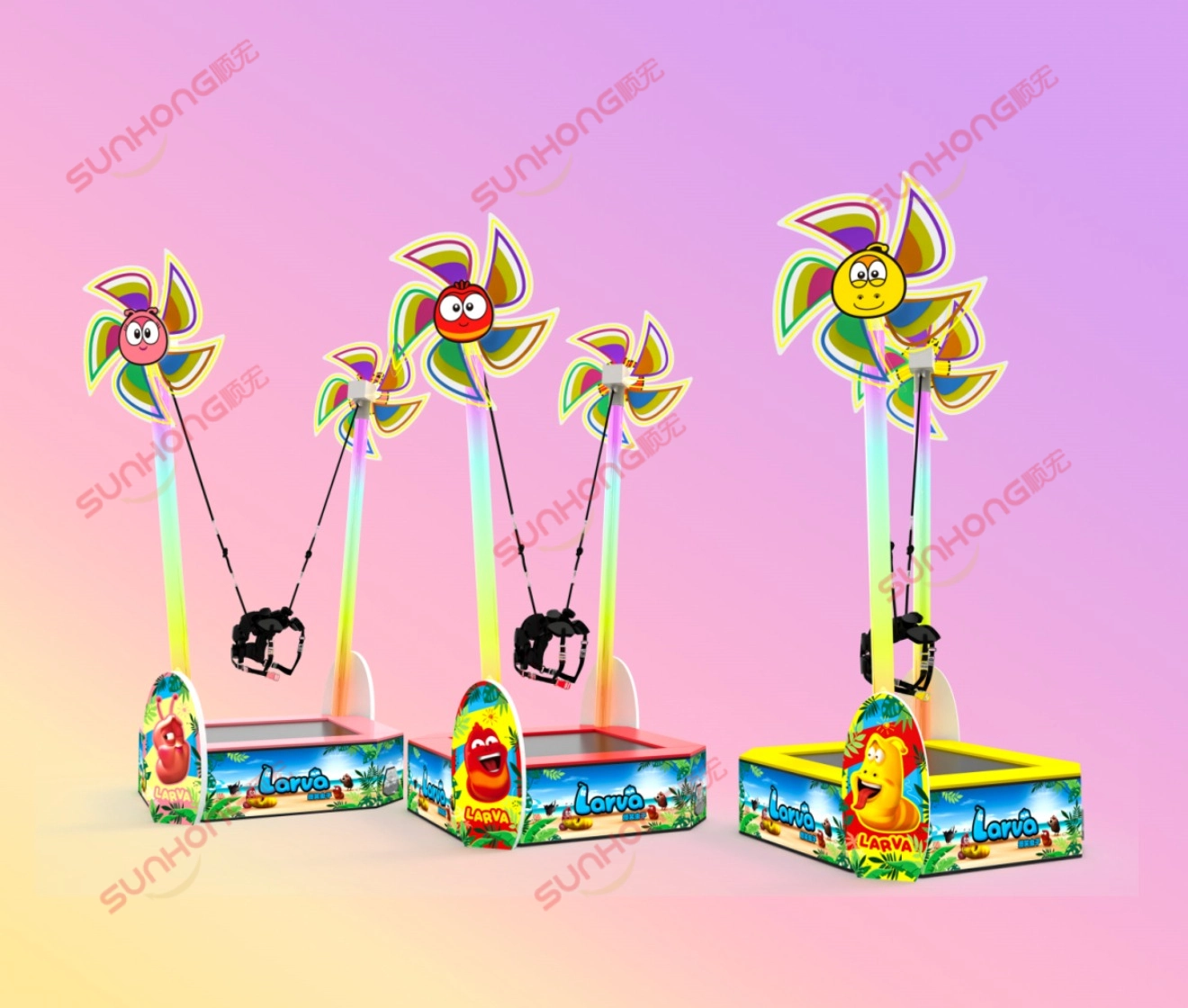
Trampolines: The Amusement Ride That Turns Jumps Into Pure Joy
12P Ocean Carousel
What key factors should be considered before purchasing a carousel?
In addition to space and budget, consider the ride cycle, safety performance, and whether the style fits your audience. For large carousels, the stability of the electrical system and ease of maintenance are also important.
What certifications does your carousel require?
SUNHONG carousels comply with CE, UL, and ISO9001 standards, ensuring strict safety, durability, and compliance with international standards for medium and large amusement parks.
Time Jump
Do you offer different Time Jump styles (classic, space, jungle, etc.)?
Yes, we offer multiple design styles for Time Jump, including classic carnival, space adventure, jungle explorer, and more. Each version can be tailored to fit your park's theme and target age group.
What materials are used for the structure and seats?
We use high-grade steel for the main frame, built to meet European EN safety standards. Seats are made from durable, weather-resistant materials to ensure comfort, safety, and long-term reliability.
6P Dream Castle Small Carousel Ride for Sale
How many seats does the carousel have?
This carousel can have 3-8 seats, which is very suitable for amusement parks where children gather. For large amusement parks, SUNHONG also has more carousel options with 12-54 seats. SUNHONG’s carousel will create the most attractive amusement park for you.
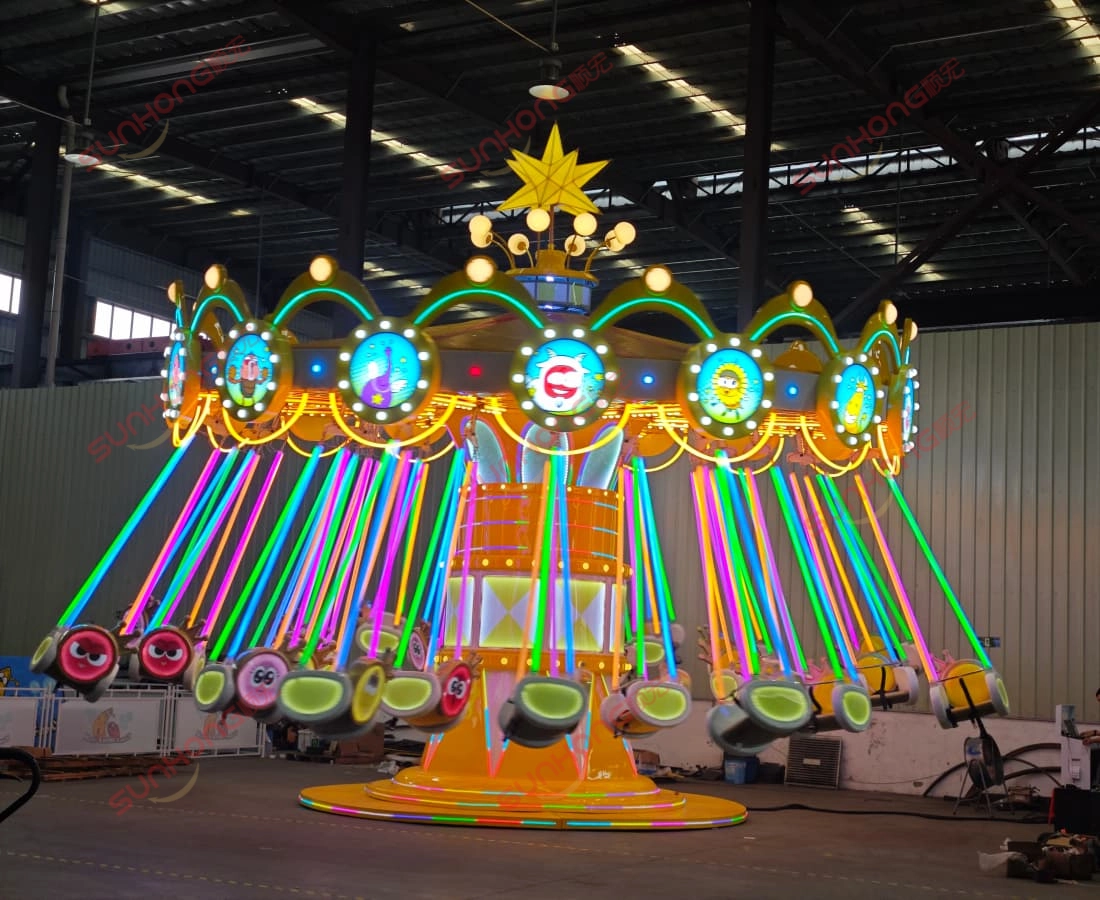
Larva Flying Chair Swing Ride – Thrilling Amusement Park Ride with Larva IP Theme
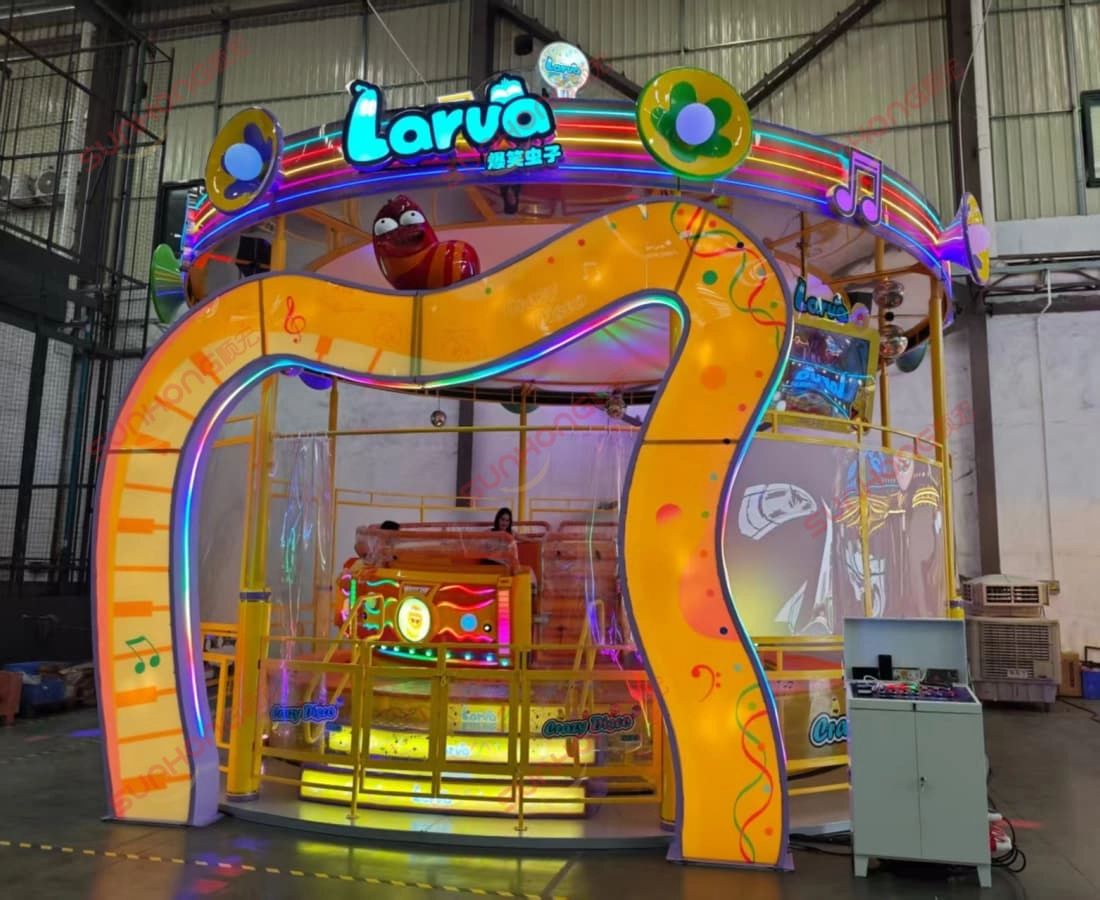
Larva Tagada Disco Ride – Thrilling Disco Amusement Park Ride with 2 Switchable Modes
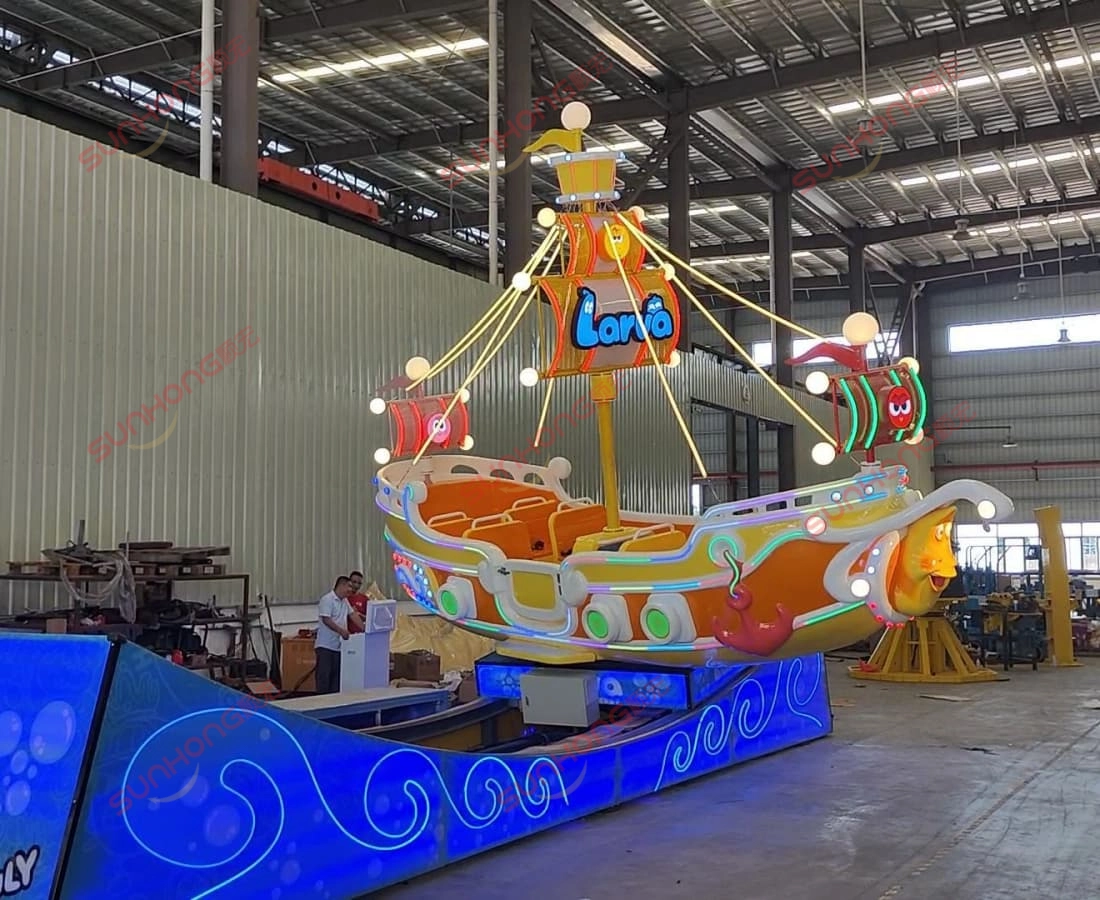
Larva Drifting-Swinging Pirate Ship Boat Amusement Ride with 360° Rotation
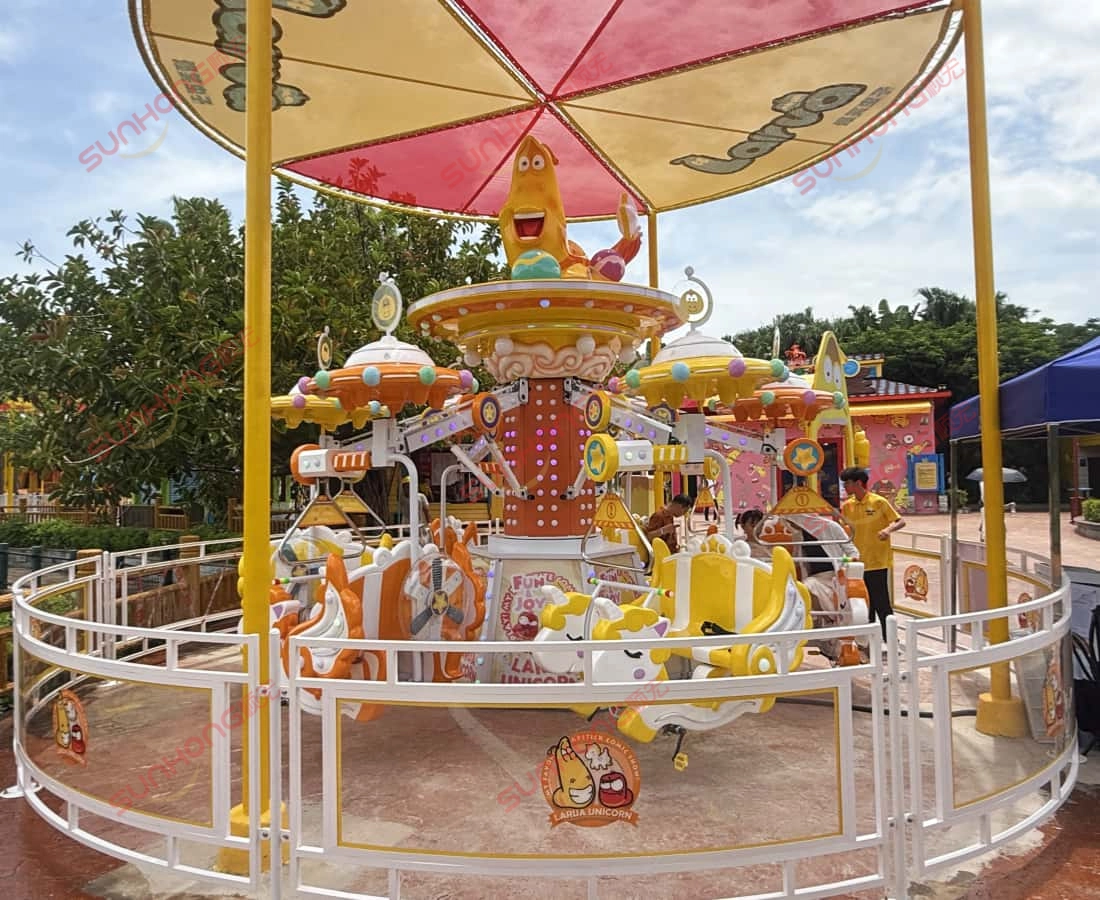
Larva Pedal Spin | Pedal-Controlled Amusement Ride with Unicorn Seats
Leave a message
Ready to elevate your amusement offerings?
Contact Sunhong today to explore how we can bring your vision to life and create unforgettable experiences for your visitors.
* Rest assured that your privacy is important to us, and all information provided will be handled with the utmost confidentiality.
Copyright © 2025 SUNHONG All Reserved.
Guangzhou Shunhong Entertainment Equipment Co.,Ltd.
sunhongrides
SUNHONGAMUSEMENTRIDES
sunhongamusementrides
Scan QR Code