
The Ultimate 2026 Guide to Theme Park Design: Master Planning, Immersive Experiences & Future Trends
A comprehensive guide for industry professionals on theme park development, covering feasibility studies, master planning, immersive environmental storytelling, and engineering standards. It details the integration of AI and sustainability, citing authoritative sources like ASTM International and former Disney Imagineers.
- Introduction: The Art and Science of Theme Park Design
- Phase 1: Vision & Feasibility – Laying the Groundwork
- Market Research & Concept Development
- Site Selection & Analysis
- Financial Planning & Budgeting
- Phase 2: Master Planning & Conceptual Design – Shaping the Experience
- The Power of Storytelling & Theming
- Optimizing Park Layout & Guest Flow
- Attraction & Ride Integration
- Phase 3: Detailed Design & Engineering – Bringing the Vision to Life
- Architectural & Landscape Design
- Thrill Engineering & Ride Safety
- Integration of Cutting-Edge Technologies
- Sustainability & Eco-Friendly Practices
- Phase 4: Construction, Operations & Evolution – The Living Park
- Construction Management & Themed Fabrication
- Operational Planning & Management
- Post-Opening Evolution & Future-Proofing
- Challenges in Theme Park Design & Solutions
- Conclusion: Designing for Timeless Magic
- Frequently Asked Questions
- What are the primary phases of theme park development?
- How important is storytelling in theme park design?
- What design considerations are essential for guest flow and accessibility?
- Can technology significantly impact theme park design?
- What role does sustainability play in modern theme park design?
- How do designers manage the budget during a complex theme park project?
- What are some common challenges in theme park design?
- How do theme parks evolve after opening?
- References
Introduction: The Art and Science of Theme Park Design
Designing a theme park is perhaps the most complex challenge in the entertainment industry. It is a discipline that demands a seamless fusion of civil engineering, theatrical artistry, psychology, and operational logistics. Beyond merely assembling a collection of rides, successful amusement park planning requires the creation of a cohesive, breathing world—a "storyscapes" where every texture, sound, and sightline serves a narrative purpose.
As we approach 2026, the industry is shifting. Developers are moving away from iron-ride parks toward highly immersive, IP-driven environments. For architects and investors, understanding the full spectrum of theme park development phases—from the initial financial feasibility analysis to the integration of immersive entertainment design—is not just creative preference; it is a financial necessity. This guide serves as a definitive resource for mastering these elements, grounded in industry standards and forward-looking technologies.
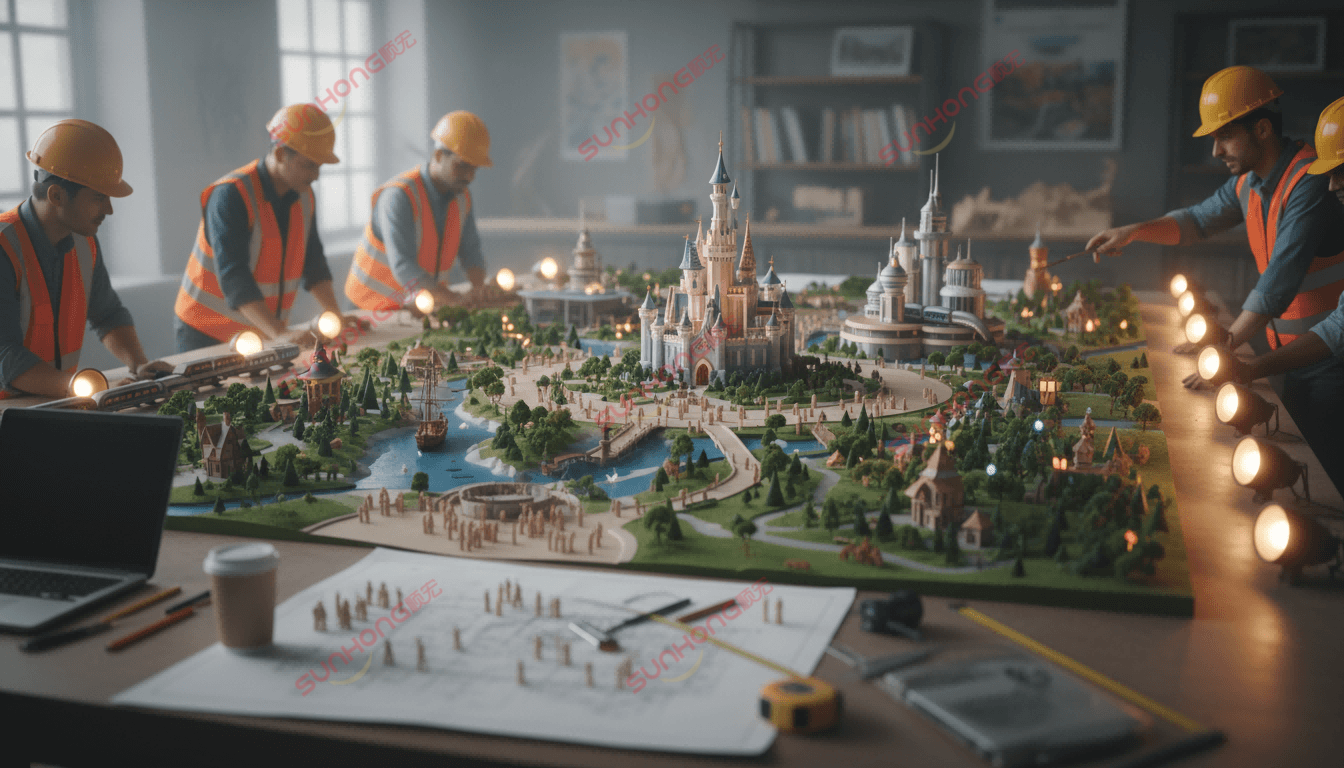
Phase 1: Vision & Feasibility – Laying the Groundwork
Before a single concept art sketch is drawn, the project must pass the rigor of a theme park feasibility study. This phase is the bedrock of the entire development, determining whether a creative vision can translate into a profitable reality.
Market Research & Concept Development
According to industry consultancies like Leisure Business Advisors, a robust feasibility study must first identify the "supportable market." This involves a granular analysis of local demographics, income levels, and tourism flows. Developers must define their Unique Selling Proposition (USP). Is this a regional thrill park or a destination resort? The answers dictate the "Design Day" attendance projections—a critical metric used to size infrastructure.
Site Selection & Analysis
Site selection goes beyond finding available land. It requires a detailed topographical and environmental analysis. As noted in reports by International Theme Park Services, accessibility to major transport hubs and the carrying capacity of local infrastructure are often the deciding factors in a project's viability. Regulatory frameworks, including zoning permits and environmental impact assessments, must be navigated early to avoid costly delays.
Financial Planning & Budgeting
Financial modeling in this phase includes capital expenditure (CapEx) for land, rides, and theming, alongside operating expenditure (OpEx) for staffing and maintenance. Investors look for a clear path to ROI, often requiring phased build-out strategies to mitigate initial risk.
Phase 2: Master Planning & Conceptual Design – Shaping the Experience
Once feasibility is established, the focus shifts to theme park layout principles and the spatial organization of the guest experience.
The Power of Storytelling & Theming
At the heart of modern design is environmental storytelling theme park methodologies. Former Disney Imagineer Don Carson has defined environmental storytelling as the art of infusing the narrative into the physical space itself, where the environment does the work of conveying the story. This means the architecture, pavement textures, and even the vegetation must support the backstory. For example, a "futuristic" zone should not just feature sci-fi rides but utilize clean lines, metallic materials, and synthesized soundscapes to immerse the guest completely.
Optimizing Park Layout & Guest Flow
Effective guest experience design amusement park relies on controlling the movement of crowds. The industry standard remains the "hub-and-spoke" model, pioneered by Walt Disney. As analyzed in architectural studies of Magic Kingdom-style parks, this layout features a central visual icon (or "weenie," a term coined by Walt Disney) that draws guests into the center, from which they can disperse into various themed lands. This aids orientation and prevents the fatigue associated with confusing loop layouts. Critical attention must be paid to "choke points"—areas where guest flow constricts—and designing queue lines that utilize psychology to minimize perceived wait times.
Attraction & Ride Integration
Balancing the ride mix is essential for capacity management. A park needs high-capacity "people-eaters" (like dark rides or theaters) to absorb crowds, complemented by lower-capacity thrill rides that serve as marketing anchors.
Phase 3: Detailed Design & Engineering – Bringing the Vision to Life
This phase translates artistic concepts into engineered reality, adhering to strict safety and sustainability standards.
Architectural & Landscape Design
Immersive design extends to the "back-of-house." Effective master planning hides delivery routes and waste management systems from guest view, maintaining the illusion. Landscape architecture plays a dual role: enhancing the theme and providing essential shade and noise buffering.
Thrill Engineering & Ride Safety
Roller coaster engineering principles are governed by physics and physiology. Engineers must calculate potential and kinetic energy exchanges to ensure the train completes the circuit. More importantly, they must manage G-forces. According to ASTM International (specifically Committee F24 on Amusement Rides and Devices), safety standards dictate the limits of vertical and lateral G-forces a human can sustain. Modern coaster design utilizes force-vector design software to smooth transitions, ensuring that high-speed elements remain safe and comfortable.
Integration of Cutting-Edge Technologies
The future of theme park attractions lies in the seamless blend of the digital and physical. We are seeing a move toward "Invisible Tech."
· AI in Operations: Predictive analytics are used to manage guest flow in real-time, adjusting staffing levels at restaurants or ride throughput based on crowd heat maps.
· AR/VR Integration: As seen in Super Nintendo World’s Mario Kart: Bowser’s Challenge, Augmented Reality (AR) headsets allow guests to interact with digital characters while moving through a physical set, creating a layer of interactivity previously impossible.
Sustainability & Eco-Friendly Practices
Sustainable theme park design is no longer optional; it is a regulatory and reputational requirement. Universal’s Epic Universe, for instance, has integrated solar power and water conservation technologies to achieve LEED certification standards. Sustainable practices include using permeable pavement to manage stormwater runoff and designing buildings with high-efficiency HVAC systems to reduce the massive carbon footprint typical of large-scale entertainment venues.
Phase 4: Construction, Operations & Evolution – The Living Park
Construction Management & Themed Fabrication
Constructing a theme park is akin to building a small city. It requires specialized "themed fabrication" contractors capable of creating artificial rockwork (shotcrete) and animatronics. Quality control is paramount; a prop that looks realistic from 10 feet away must also withstand thousands of touches per day.
Operational Planning & Management
Operational success depends on a "guest-centric" culture. This involves rigorous staff training and safety protocols. As stated by the ASTM F770 standard, owners typically have specific responsibilities regarding the operation, maintenance, and inspection of amusement rides to ensure continued safety after the handover from construction.
Post-Opening Evolution & Future-Proofing
A park is never finished. Post-opening evolution involves analyzing guest feedback and attraction popularity. "Future-proofing" means designing ride buildings with flexible infrastructure (power, data) to accommodate future technologies that may not yet exist.
Challenges in Theme Park Design & Solutions
· Budget Constraints: Value engineering is often required. The solution is to prioritize "high-touch" areas where guests interact closely with the theming, while simplifying designs in less visible areas (above 10 feet).
· Environmental Restrictions: In strict jurisdictions, parks may face noise ordinances or protected habitat restrictions. Solutions involve enclosing noisy ride sections or using directional sound technology.
· Cultural Nuances: Design choices must respect local culture. What is considered "adventurous" or "humorous" in one region may be offensive or confusing in another, necessitating local cultural consultation during the concept phase.
Conclusion: Designing for Timeless Magic
Creating a successful theme park requires balancing the magic of immersive entertainment design with the hard realities of engineering and finance. By adhering to rigorous roller coaster engineering principles, embracing sustainable theme park design, and anticipating the future of theme park attractions, designers can build destinations that resonate with guests for decades. The ultimate goal is to create a place where the outside world fades away, leaving only the story.
Frequently Asked Questions
What are the primary phases of theme park development?
Typically, the process involves four main phases: 1) Vision & Feasibility (market analysis and financial planning), 2) Master Planning & Conceptual Design (layout and theming), 3) Detailed Design & Engineering (architecture and ride systems), and 4) Construction & Operations (fabrication, staffing, and opening).
How important is storytelling in theme park design?
Storytelling is the differentiator between a carnival and a theme park. It unifies diverse attractions into a cohesive world, enhancing the guest's emotional connection. Effective storytelling guides guest expectations and behavior, making the experience more memorable and increasing return visits.
What design considerations are essential for guest flow and accessibility?
Designers must create intuitive circulation paths to prevent bottlenecks, often using a central hub. Accessibility standards (such as ADA in the US) are mandatory, ensuring ramps, ride transfer devices, and sensory guides are available so that the park is inclusive for all guests.
Can technology significantly impact theme park design?
Yes. Technologies like AI optimize queue management and operational efficiency, while VR and AR are revolutionizing attractions by adding interactive digital layers to physical sets. These tools allow for personalized guest experiences and higher engagement.
What role does sustainability play in modern theme park design?
Sustainability is vital for long-term viability and regulatory compliance. Modern parks incorporate solar energy, water recycling systems, and eco-friendly building materials (aiming for certifications like LEED) to reduce operational costs and environmental impact.
How do designers manage the budget during a complex theme park project?
Budget management involves rigorous upfront feasibility studies and "value engineering"—finding cost-effective ways to achieve the design intent. Phasing construction (opening the park in stages) also helps manage cash flow and capital investment.
What are some common challenges in theme park design?
Common challenges include balancing creative ambition with budget limits, navigating complex zoning and environmental regulations, and adapting designs to local cultural preferences. unexpected geological issues during site preparation can also impact timelines.
How do theme parks evolve after opening?
Parks evolve through "lifecycle management." This includes seasonal events, refreshing older rides with new technology (retrofitting), and expanding with new lands or attractions based on guest feedback and changing market trends.
References
· Leisure Business Advisors: Amusement Park Feasibility Study
· ASTM International: Committee F24 on Amusement Rides and Devices
· Game Developer: Environmental Storytelling by Don Carson
· NBCUniversal: Epic Universe Sustainability and LEED Certification
Top 10 Flat Rides: A Guide to Choosing the Best for Your Park
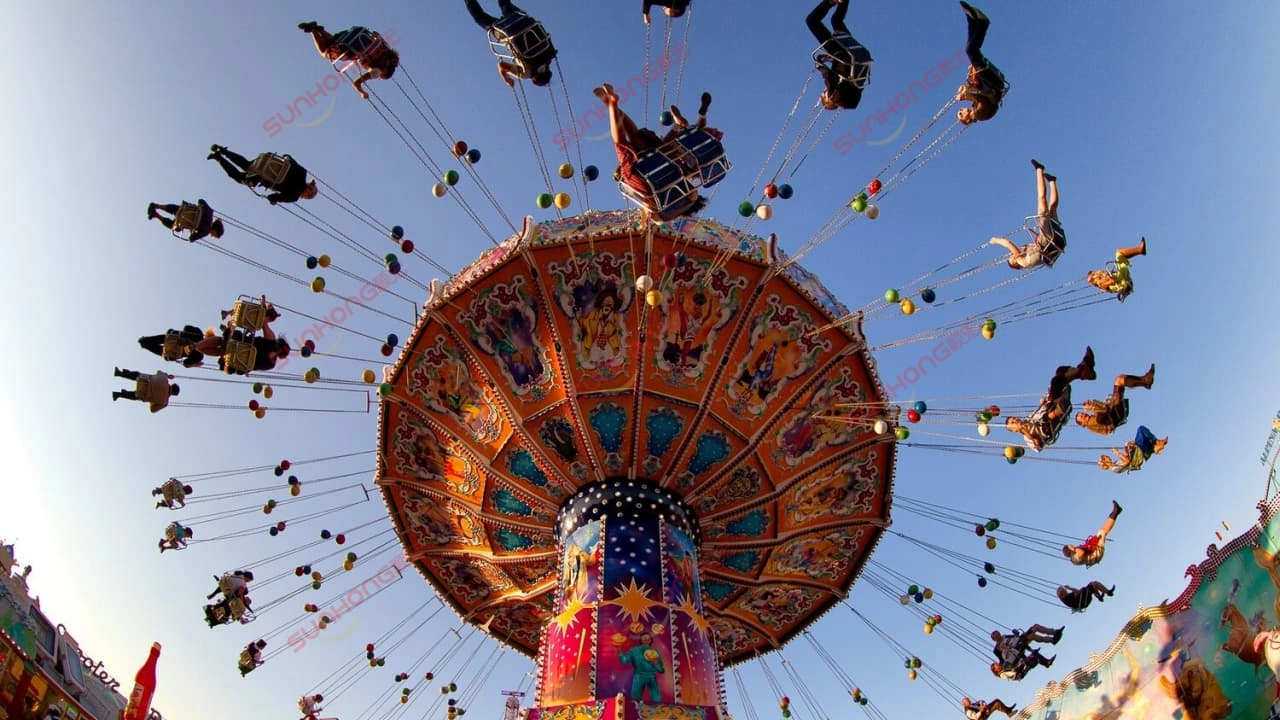
The Most Popular and Common Amusement Park Rides: A Complete Guide
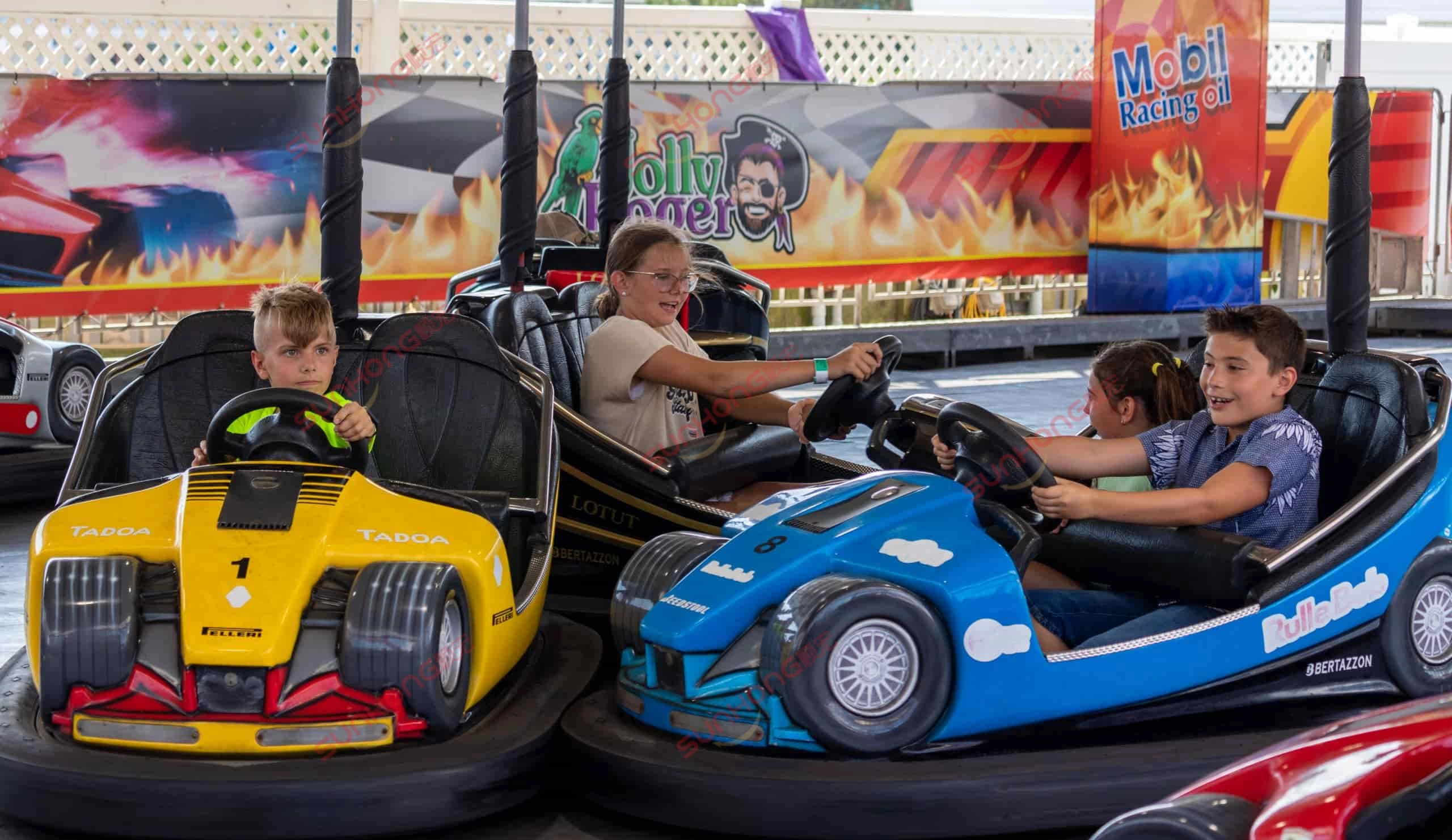
Bumper Cars (Dodgems) Explained: Types, Costs & How to Choose the Best Ones
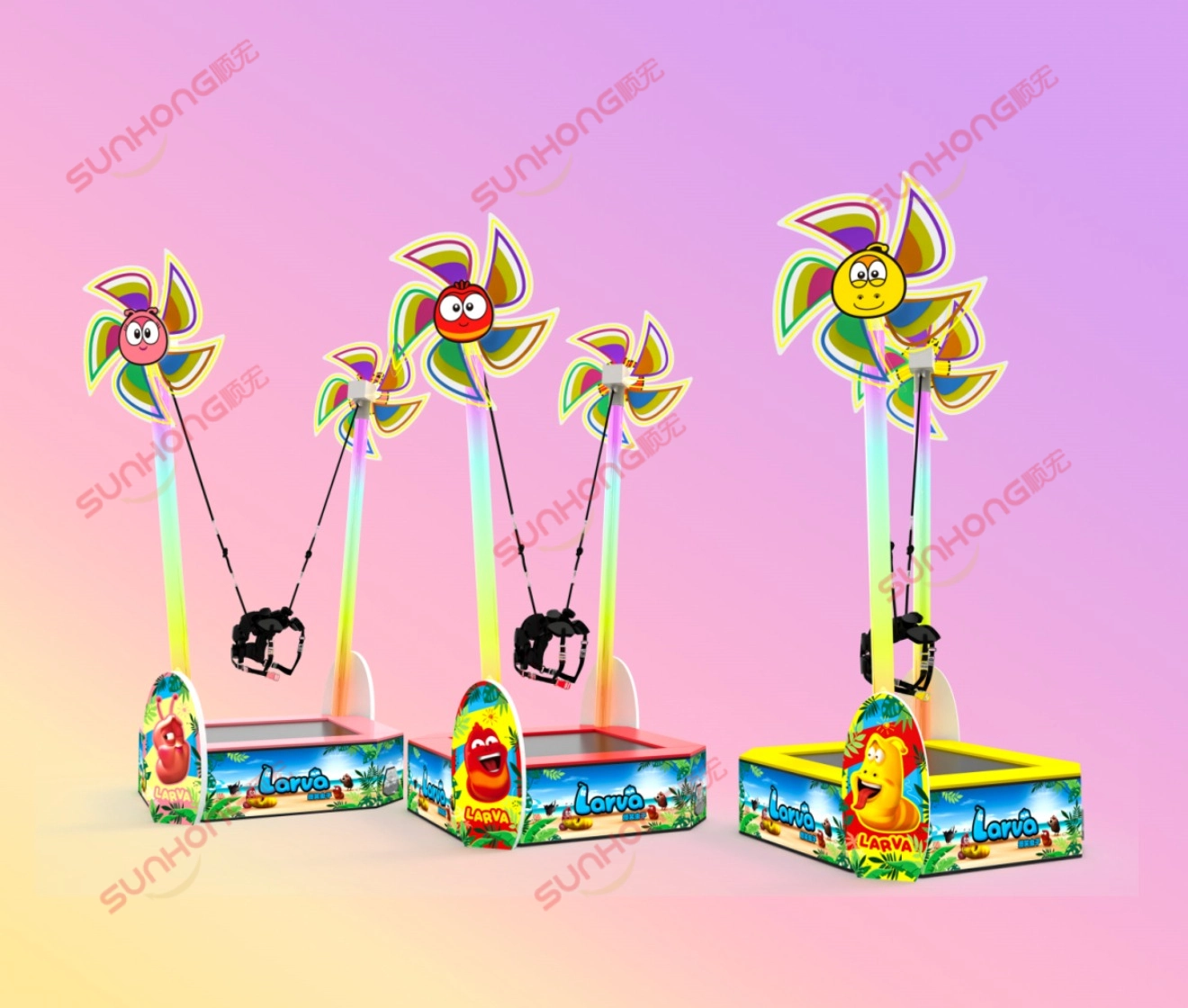
Trampolines: The Amusement Ride That Turns Jumps Into Pure Joy
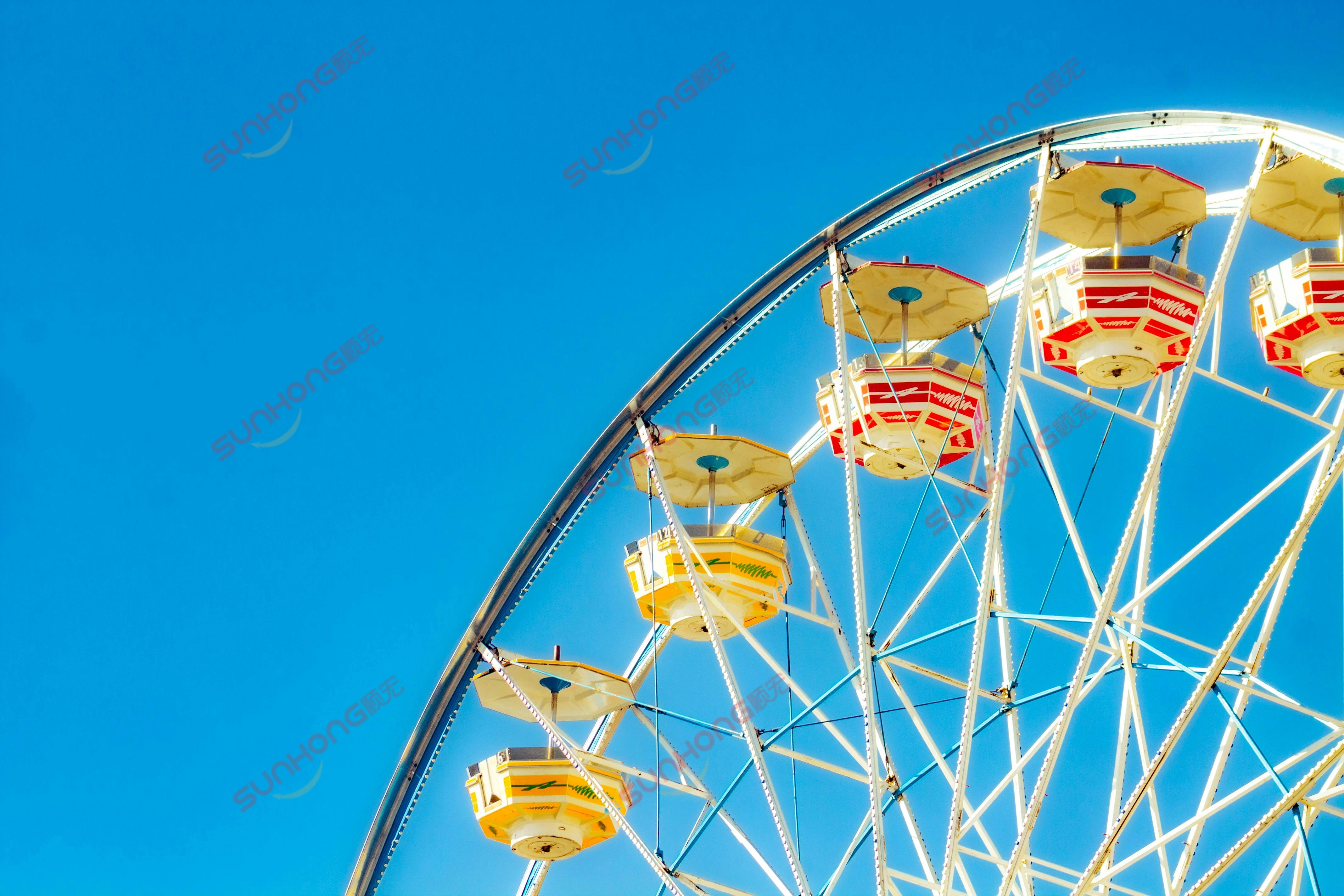
Why Ferris Wheels Remain the Star Attraction in Amusement Parks
Golden Year Carousel
Can I customize the appearance of the carousel?
Yes, SUNHONG provides customized services such as the theme, color, seat shape and decoration style of the carousel. SUNHONG's design engineers can create a carousel with exclusive IP or brand according to the overall design of the amusement park, thereby enhancing the attraction and traffic of the amusement park.
6P Dream Castle Small Carousel Ride for Sale
Why should I invest in a carousel for my park?
A carousel has iconic value and is often the focal point of a family play area. It excels in attracting crowds with its nostalgic charm and wide audience reach, especially when customized themes or lighting designs are adopted.
products
What materials do you use in your rides?
We use high-quality materials such as steel, fiberglass, and wood to ensure durability and safety.
Time Jump
Do you provide installation services or technical support?
Yes, we provide on-site installation at no extra charge (excluding travel costs). We also offer full technical support, including manuals, videos, and 24/7 assistance to help you get started smoothly.
中小型游乐设备方案推荐
✔ Investment Control:
Low-cost, short construction, and fast results from your investment.
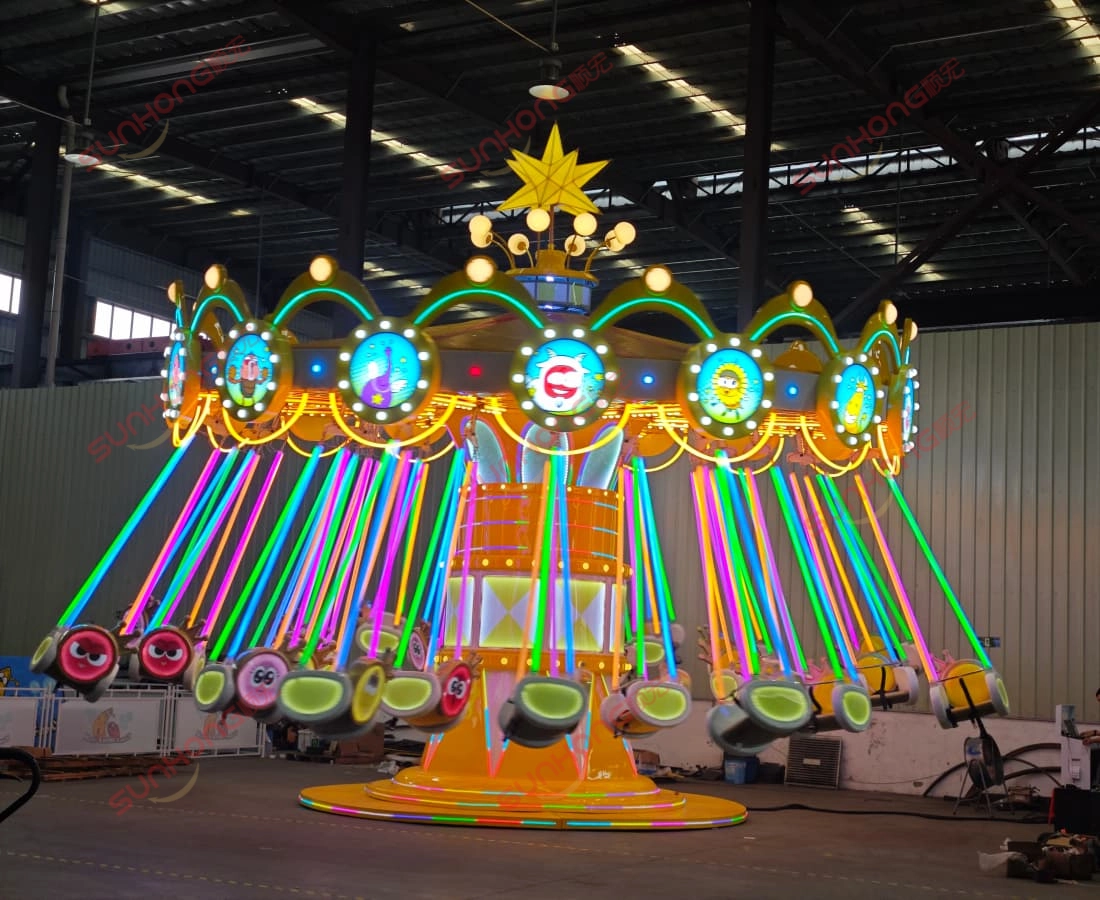
Larva Flying Chair Swing Ride – Thrilling Amusement Park Ride with Larva IP Theme
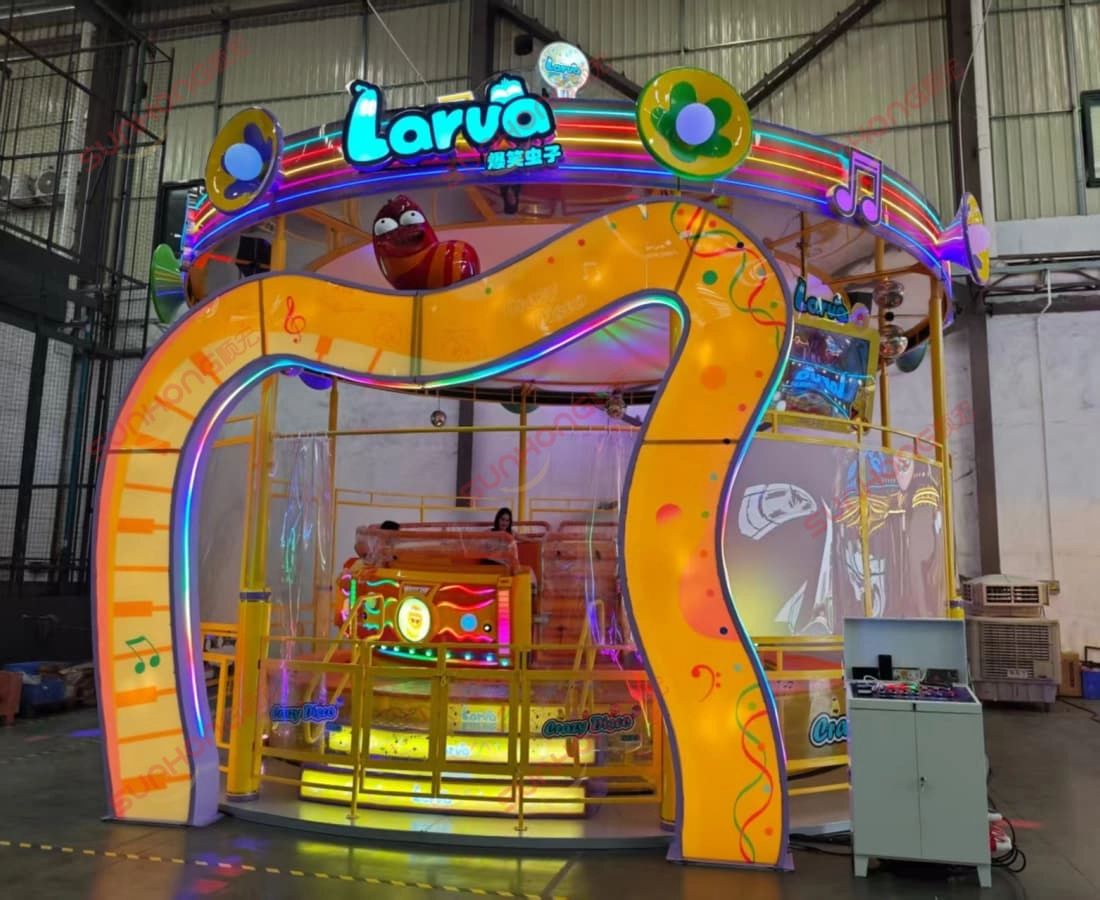
Larva Tagada Disco Ride – Thrilling Disco Amusement Park Ride with 2 Switchable Modes
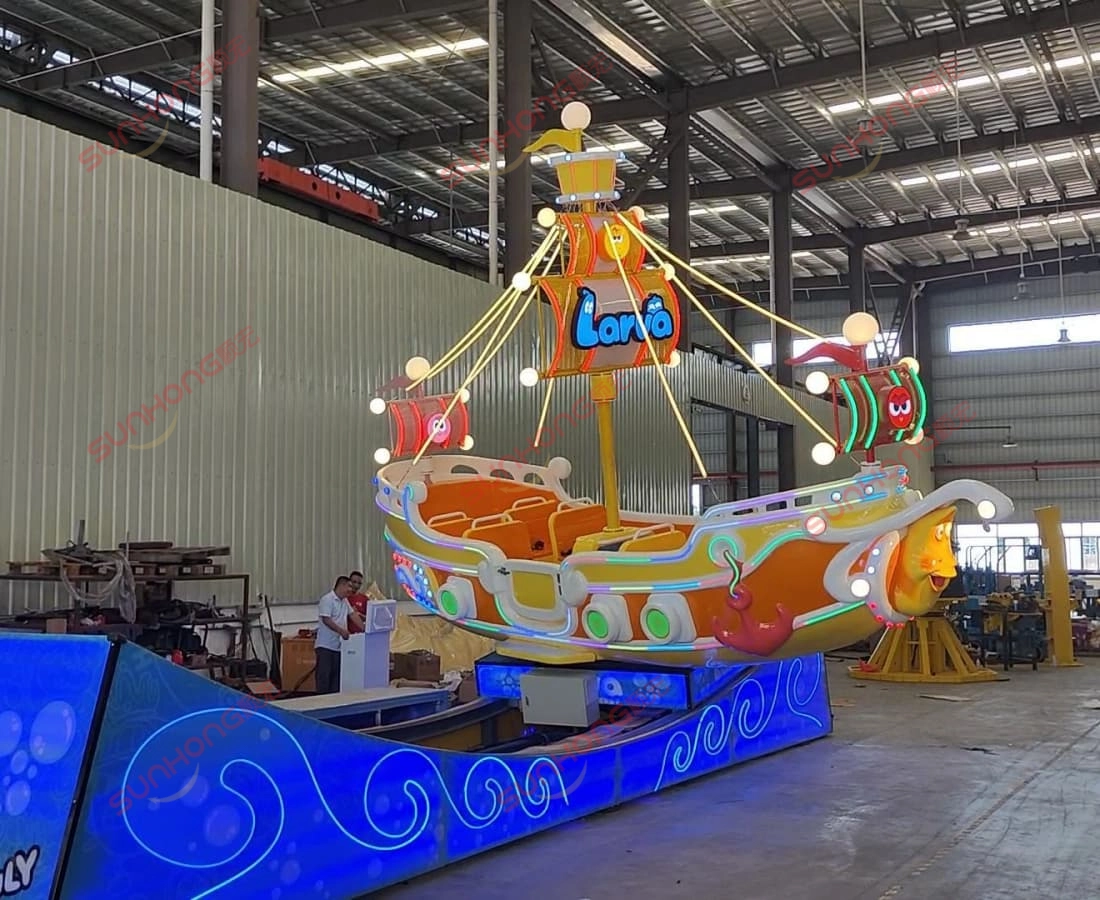
Larva Drifting-Swinging Pirate Ship Boat Amusement Ride with 360° Rotation
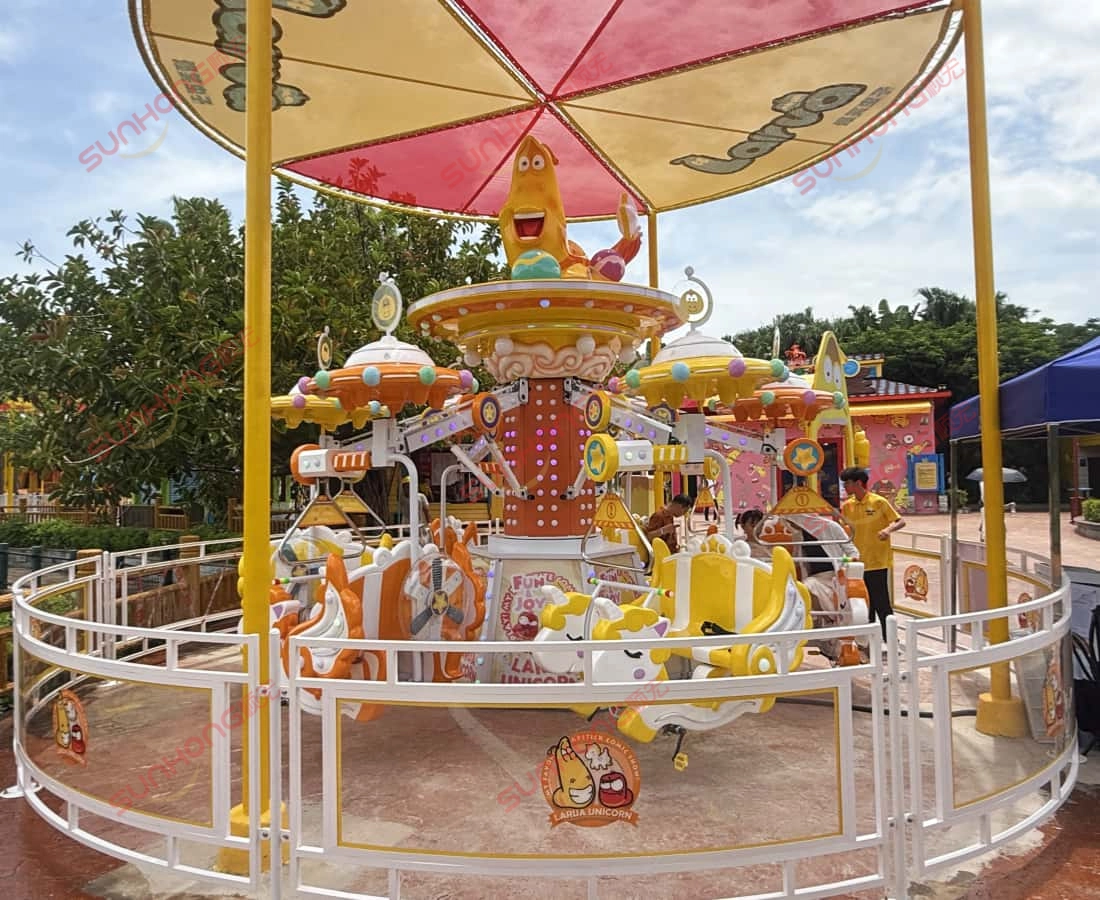
Larva Pedal Spin | Pedal-Controlled Amusement Ride with Unicorn Seats
Leave a message
Ready to elevate your amusement offerings?
Contact Sunhong today to explore how we can bring your vision to life and create unforgettable experiences for your visitors.
* Rest assured that your privacy is important to us, and all information provided will be handled with the utmost confidentiality.
Copyright © 2025 SUNHONG All Reserved.
Guangzhou Shunhong Entertainment Equipment Co.,Ltd.
sunhongrides
SUNHONGAMUSEMENTRIDES
sunhongamusementrides
Scan QR Code