
How to Install and Maintain Amusement Rides
Learn how to properly install and maintain amusement rides with SUNHONG's expert guide. Ensure safety, maximize longevity, and optimize performance for your investment.
- Pre-Installation Planning and Site Readiness
- Safety Standards and Compliance Checklist
- Foundation, Anchoring, and Utilities
- Assembly, Commissioning, and Acceptance Testing
- Daily Inspection and Pre-Opening Procedures
- Preventive Maintenance and Lifecycle Care
- Documentation, Training, and SOPs
- Incident Response, Audits, and Continuous Improvement
- Special Considerations for Malls and Indoor Venues
- How Sunhong Supports Safe Installation and Long-Term Maintenance
Pre-Installation Planning and Site Readiness
Every successful installation begins long before the first crate arrives. Start with a precise site survey. Validate dimensions, slab conditions, and surrounding circulation so queues, exits, and guest flow work without creating pinch points. Confirm clear heights for indoor rides and verify that any decorative elements do not conflict with sweep envelopes. For outdoor parks, evaluate wind exposure, surface drainage, and proximity to utilities. Establish staging areas for cranes and forklifts. In commercial complexes such as shopping malls, coordinate with building management on access windows, noise windows, and barricade plans so daily retail operations continue with minimal disruption.
Quantify load bearing capacity and vibration tolerance of the floor or foundation. A compact family ride can have surprisingly high point loads. Engage a structural engineer to validate slab thickness and reinforcement. If you plan a mid scale anchor such as a Ferris wheel in a plaza, early foundation modeling avoids expensive rework. Plan power distribution, grounding, emergency lighting, and communications. Pre installation design diligence is the cheapest risk control you can buy.
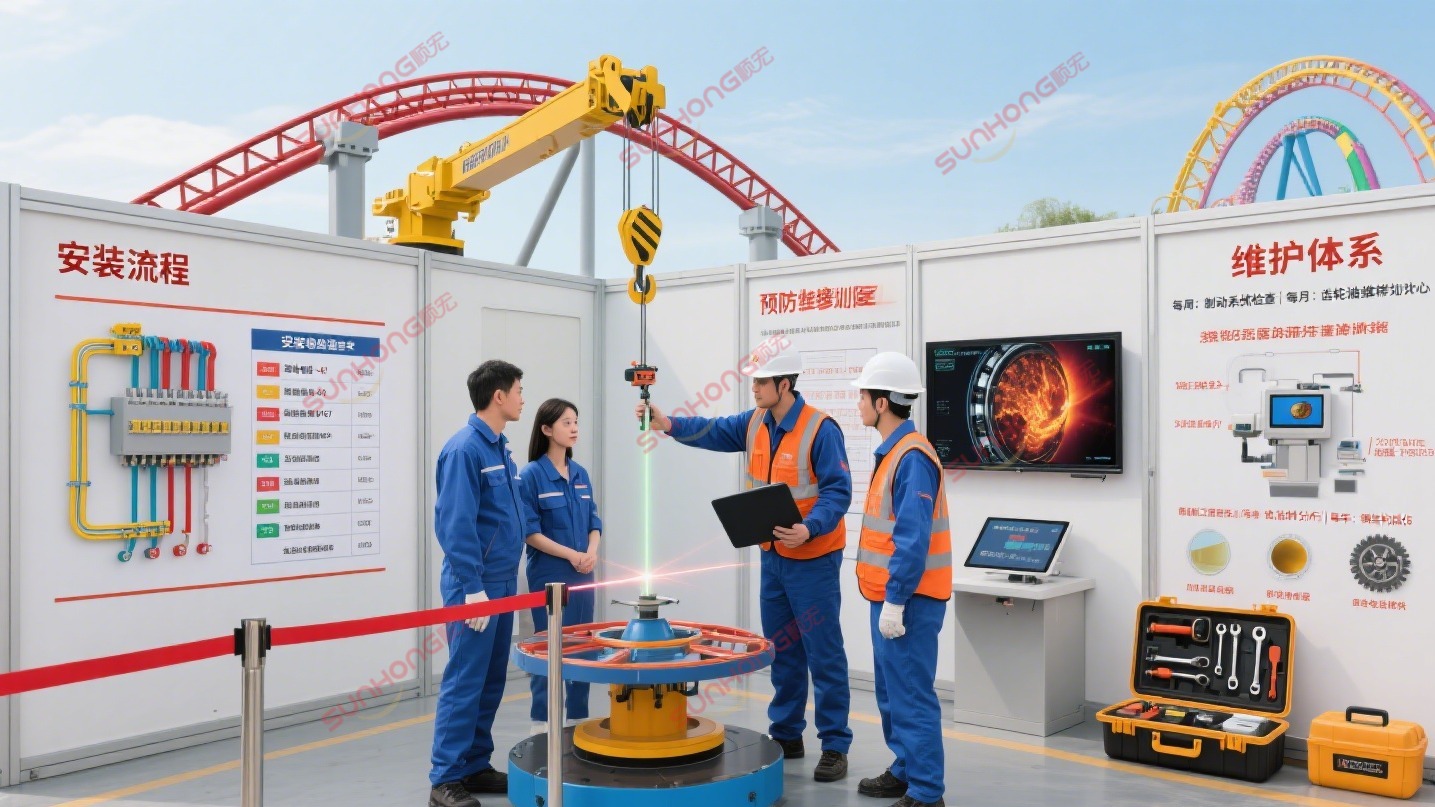
Safety Standards and Compliance Checklist
Standards are the backbone of ride safety and also your fastest path through approvals. The ASTM F24 committee creates standards that address design, manufacturing, testing, operation, maintenance, and inspection of amusement rides. These standards are widely referenced by regulators and operators.
Across Europe and many other regions, the EN 13814 series sets minimum requirements for safe design and for maintenance, operation, control, and testing. The current multipart structure clarifies responsibilities from manufacture to operation and has been updated to support safer devices and clearer oversight.
Combine these frameworks with jurisdictional rules from your Authority Having Jurisdiction. Some states and countries reference ASTM directly. Others require documented daily inspection records aligned to F24 practices, sometimes embedded in regulations or guidance used by inspectors. Keep a compliance matrix that maps each clause to a document, drawing, or procedure. This habit accelerates approvals and removes ambiguity during audits.
Foundation, Anchoring, and Utilities
A ride is only as good as what it is bolted to. Foundation drawings specify concrete class, rebar schedule, and anchor layout. Tolerances matter. Even a few millimeters of anchor drift can slow assembly or force on site corrections. Establish survey control points and verify them during casting. Use sleeves or templates to hold anchor placement if the design permits. For indoor sites, vibration isolation may be worth the incremental cost to protect neighboring tenants and to reduce structure borne noise.
Utilities are another make or break detail. Confirm voltage, phase, frequency, and available amperage at the distribution point. Verify grounding resistance and surge protection. Provide clean conduit pathways for controls, photo systems, and any cashless kiosks. In malls, integrate noise control using acoustic panels, soft flooring, or partial enclosures while keeping sightlines open so the attraction advertises itself.
Assembly, Commissioning, and Acceptance Testing
Treat assembly as a controlled build. Lay out components in order. Protect finished surfaces from scuffs. Follow torque specs and fastening sequences. Use calibrated tools and record torques for structural connections. Commissioning begins once the mechanical build is complete and verified. Start with no load tests to confirm motion profiles, braking, limits, and interlocks. Move to incremental load tests as defined by the manufacturer and the standard. Document every run. Create a punch list and close each item before public opening.
The manufacturer’s operations and maintenance manual is your primary reference for commissioning steps and for building your site specific SOP. Pull the operational content into a concise handbook for attendants, including height and weight requirements, control sequences, restraint checks, and emergency stop protocols. A clear SOP keeps teams consistent and reduces the chance of human error.
Daily Inspection and Pre-Opening Procedures
Before the first guest boards each day, run a structured pre opening routine. Inspect the ride envelope for debris. Walk the track or path if applicable. Check restraints, gates, sensors, and signage. Cycle controls with no passengers to verify interlocks and emergency stops. Many jurisdictions require documented daily inspection records using checklists aligned with ASTM F24 guidance. This is not busywork. It is your early warning system that guards uptime and safety.
Keep a bound or tamper evident logbook. Each entry should identify the inspector, the time, the ride state, and any anomalies found. When an issue is noted, record containment steps, corrective action, and verification of closure. Logs are essential during incident review and are often requested by regulators or insurance representatives.
Preventive Maintenance and Lifecycle Care
A well tuned preventive maintenance program is the difference between steady revenue and sudden downtime. Start with the manufacturer schedule. Map daily, weekly, monthly, and annual tasks. Lubrication intervals, fastener checks, belt and chain inspections, hydraulic fluid sampling, and NDT where specified should be planned across operating days to minimize guest impact. Build visual standards for wear parts so technicians can gauge replacement timing accurately.
As fleets grow, predictive maintenance becomes attractive. Track cycles, temperatures, and vibration. Use simple dashboards before jumping to complex systems. Even basic trends will surface components that degrade faster in your environment. Maintain a right sized spare parts inventory that covers wear items and critical long lead components. Store parts in climate controlled conditions and rotate stock. Trained maintenance teams supported by certification programs are a recognized best practice across the attractions industry and are often noted by jurisdictions and insurers.
Documentation, Training, and SOPs
Documentation turns knowledge into a durable system. Build a document tree that links drawings, manuals, SOPs, training records, inspection logs, incident reports, and change control. When procedures change, record the revision and the reason. During audits, a clean tree reduces time and stress and signals professionalism.
Training is continuous. Onboarding covers the basics. Refreshers reinforce good habits. Cross training creates resilience during staff shortages. Organizations in this sector rely on structured programs and certifications that validate maintenance competencies and support recognition by Authorities Having Jurisdiction. Certification frameworks also emphasize the importance of daily programs, technology familiarity, and participation in continuing education.
For operators and attendants, your SOP is the daily north star. Make it crisp and visual. Add photos for restraints and load checks. Include decision trees for weather holds or guest service issues. Pair SOPs with drills. Muscle memory lowers reaction time when seconds matter.
Incident Response, Audits, and Continuous Improvement
Incidents range from nuisance alarms to guest injuries. Treat every event as a learning opportunity. Stabilize the scene, aid guests, secure the ride, and preserve evidence. Notify leadership and regulators as required. Write factual reports that separate observation from interpretation. Use root cause analysis to distinguish immediate causes from systemic contributors. Many compliance cultures require operators to maintain maintenance and modification records and to make them available to the Authority Having Jurisdiction. Build that discipline into your daily work so response is simple during reviews.
Plan periodic internal audits that mirror third party reviews. Walk the site with fresh eyes. Check signage, guarding, housekeeping, and document currency. Invite peers from outside departments. External audits by accredited bodies or certified inspectors add objectivity and often reveal small issues before they become big ones. Industry directories show how jurisdictions may specify inspector credentials and inspection frequency. Align your program with those expectations in advance.
Special Considerations for Malls and Indoor Venues
Indoor venues have unique constraints and opportunities. Ceiling height, smoke control, and egress clarity are non negotiable. Coordinate closely with the fire marshal on smoke detection, sprinklers, and any special zoning around the attraction. Manage sound levels through material choices and orientation. Consider vibration isolation pads and compliant mounts that reduce transmission into the structure. Plan queue designs that prevent spillover into retail traffic and that preserve storefront visibility for tenants. In mixed use complexes, lift and escalator paths must remain clear under all loading scenarios. The best indoor ride placements become kinetic sculpture that pulls guests across the floor while remaining good neighbors to retailers.
How Sunhong Supports Safe Installation and Long-Term Maintenance
Sunhong is a certified amusement ride manufacturer and one stop supplier focused on safe installation and reliable maintenance outcomes for commercial clients. The portfolio includes family rides, thrill rides, kiddie rides, and indoor mall attractions that can be customized through colorways, lighting packages, and themed elements. Sunhong teams collaborate with developers, mall operators, and park managers to convert business goals into technical plans that survive real world constraints.
During pre installation, Sunhong engineers review site surveys, check slab capacities, advise on foundation design, and plan crane and staging logistics. For indoor rides, the team helps with ceiling height integration, noise and vibration considerations, and visual sightline planning that supports retail traffic. During assembly and commissioning, Sunhong provides on site or remote guidance so torque sequences, wiring, and testing follow the O and M manual exactly. Acceptance testing is documented in a format that aligns with common compliance expectations.
Maintenance does not stop at handover. Sunhong offers maintenance training, schedules for preventive tasks, and guidance for recordkeeping that aligns with industry practice. Spare parts support includes recommended min max inventory levels, wear part kits, and sourcing plans that minimize lead times. When upgrades or modifications are planned, Sunhong helps assess the change against standards and ensures documentation remains audit ready. The objective is simple. High uptime, safe operations, and predictable lifecycle cost for your amusement ride investment.
Installing and maintaining amusement rides is a discipline that blends engineering, compliance, and hospitality. Plan foundations and utilities with rigor. Commission methodically and document each step. Run daily inspections like clockwork and treat preventive maintenance as revenue protection. Train teams, rehearse responses, and keep improving through audits and data.
Standards such as ASTM F24 and the EN 13814 series exist to help you succeed with safer design, consistent operation, and verifiable maintenance programs. Use them as your framework and adapt them to your venue and guest profile.
Ready to turn your site plan into a safe, guest loved, and low downtime attraction portfolio? Talk to Sunhong today to design, install, and maintain amusement rides that perform beautifully on opening day and every day after.
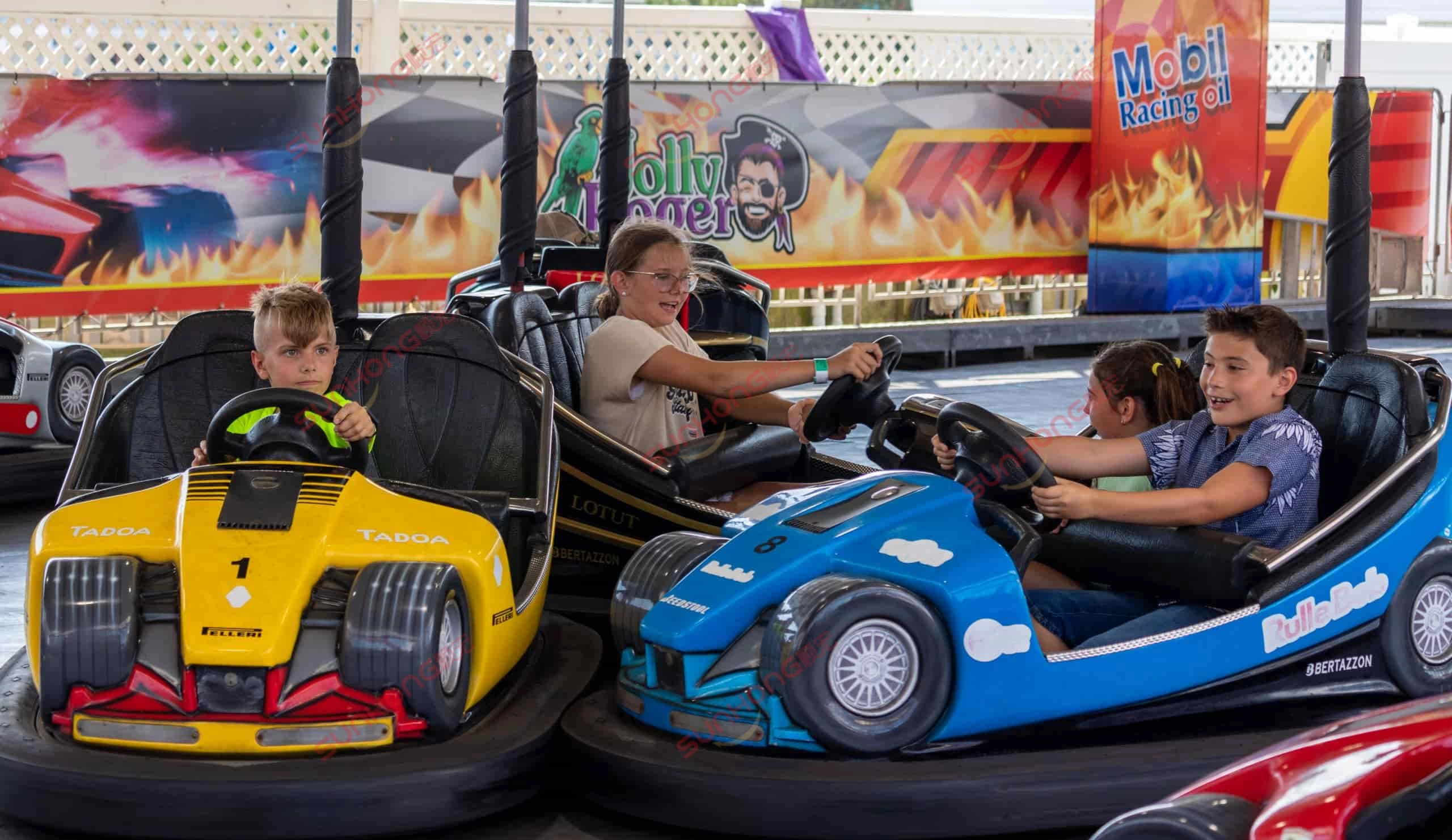
Bumper Cars (Dodgems) Explained: Types, Costs & How to Choose the Best Ones
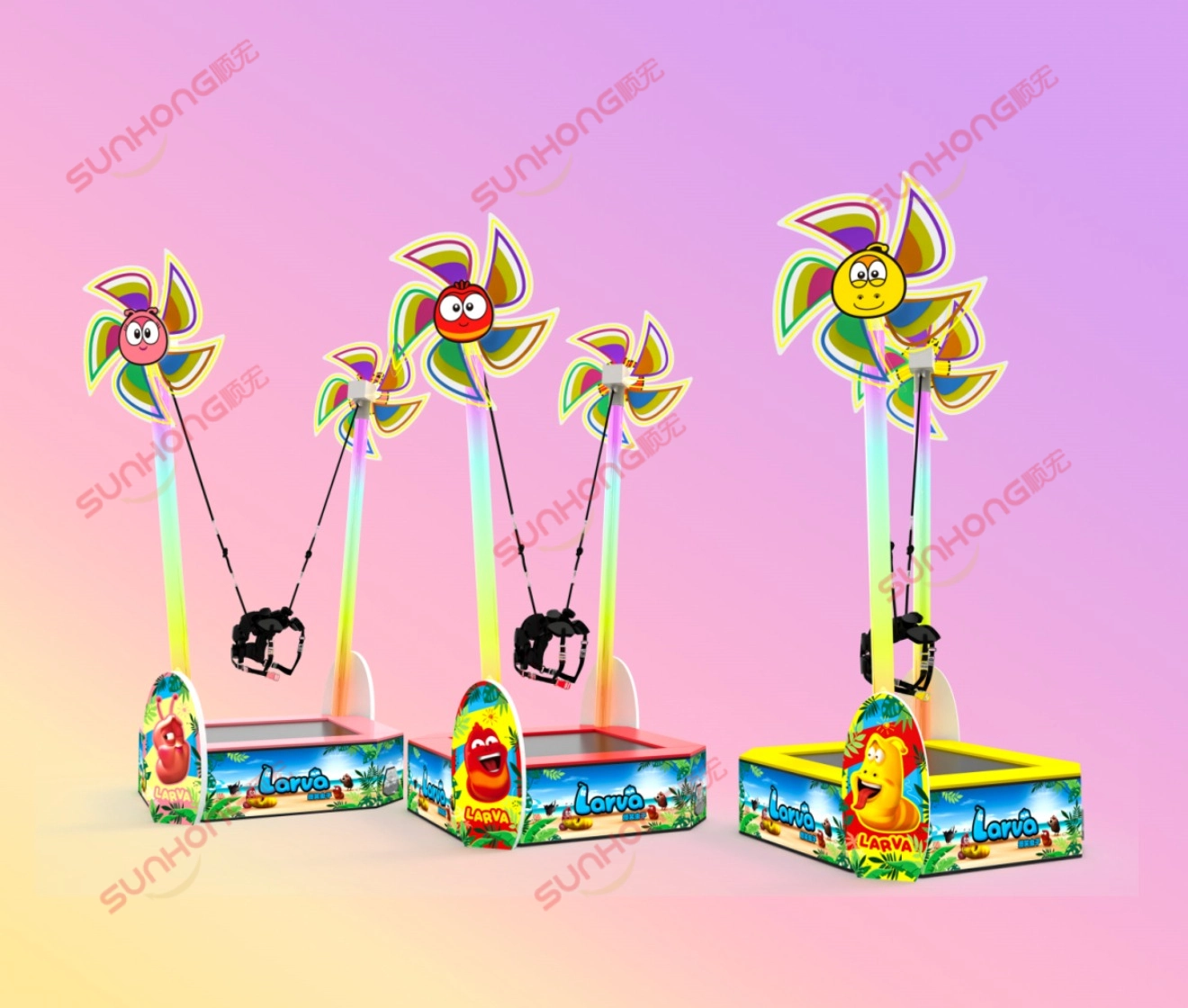
Trampolines: The Amusement Ride That Turns Jumps Into Pure Joy
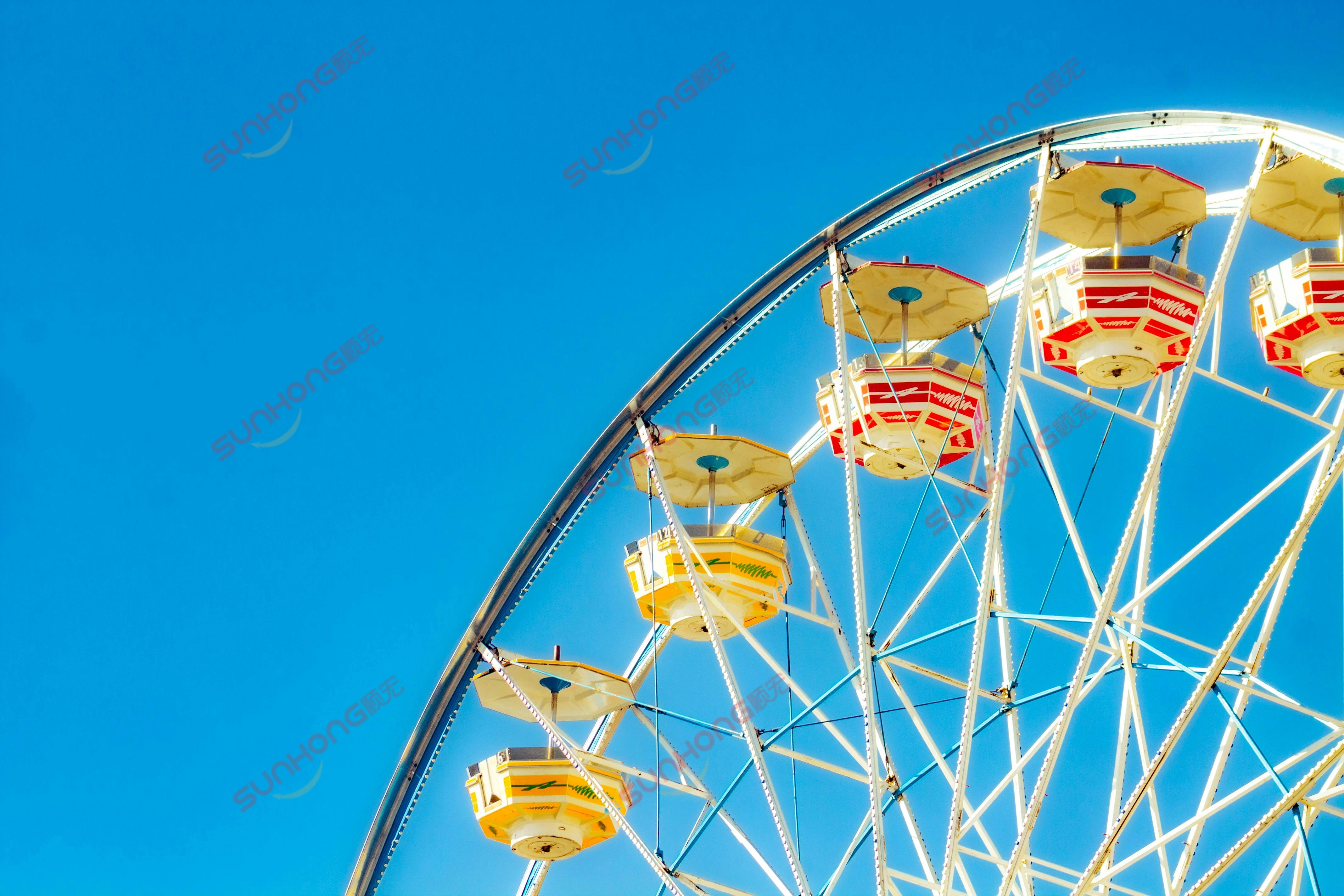
Why Ferris Wheels Remain the Star Attraction in Amusement Parks
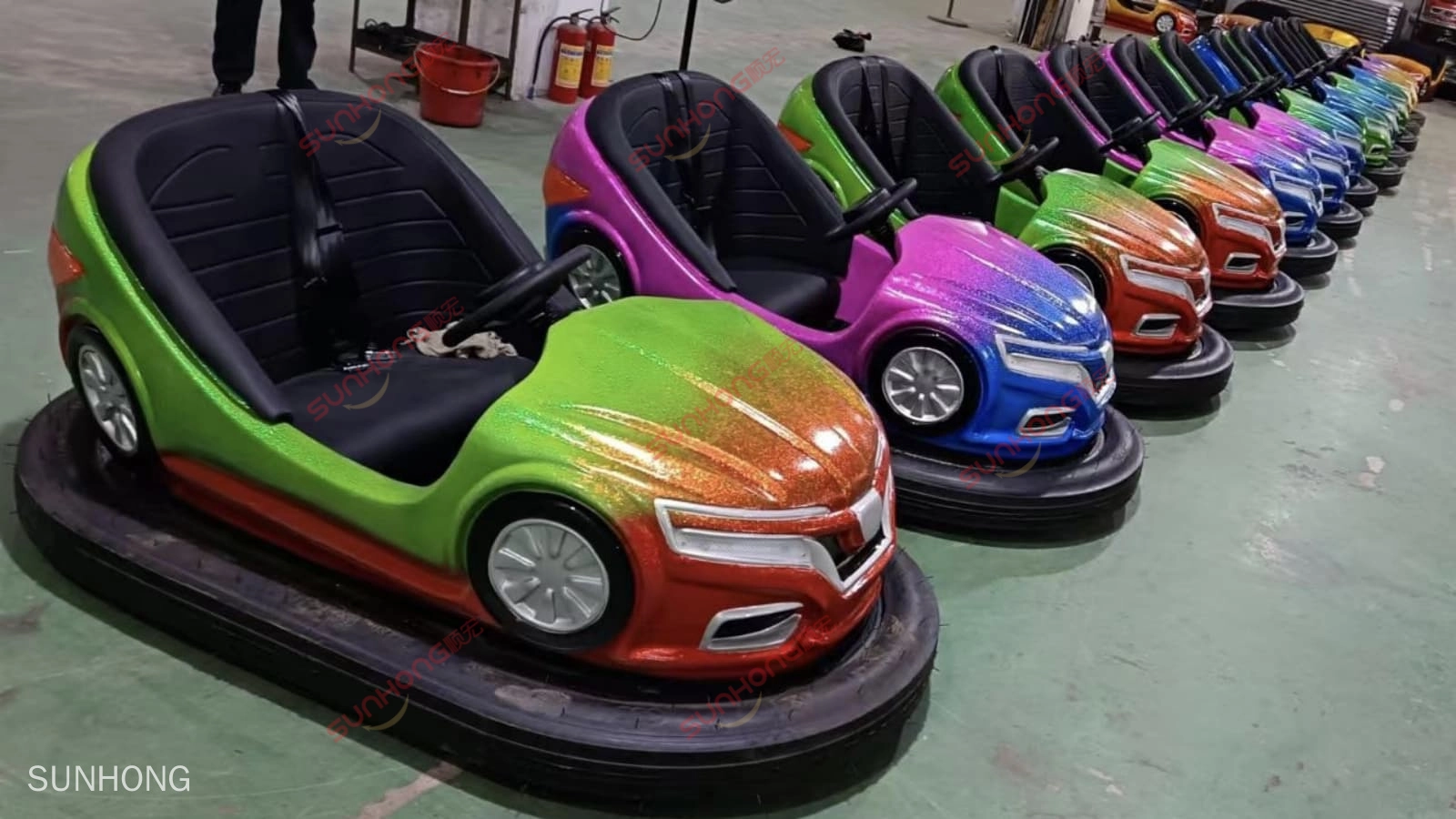
Amusement Park Bumper Cars: The Ride That Turns Crashes Into Laughter
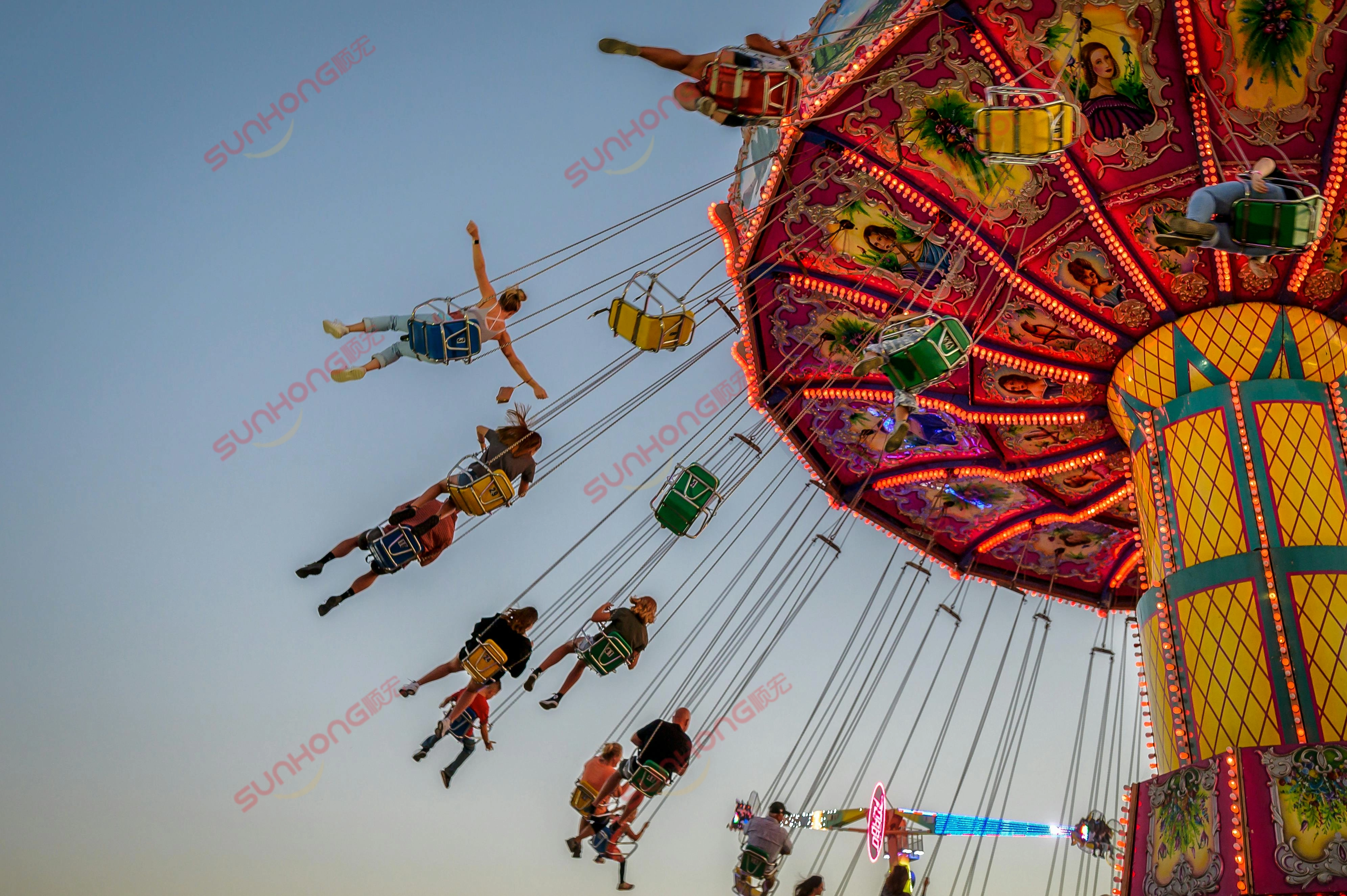
Take a Spin on Flying Chair Rides: A Timeless Park Favorite
Home页
Do you provide one-stop amusement park solutions?
We provide end-to-end services, including theme park design and planning, amusement ride manufacturing, installation, operational guidance, and after-sales support.
中小型游乐设备方案痛点
How does SUNHONG simplify ride and facility selection?
With our successful case experience and theme park operation expertise, we combine popular attractions to maximize your park’s return on investment.
16P Knight Sparta
What are the key things To consider before investing in a merry-go-round ride?
Space requirements: Make sure your park has enough space to accommodate the carousel, taking into account factors such as access, visitor flow, etc.
Budget: The purchase, transportation, installation, and maintenance costs of the carousel should be within your budget.
Target Market: Analyze whether the carousel meets the needs of your target customer group, for example, suitable for children, families, or adults.
Safety: Choose a carousel that meets safety standards to ensure the safety of visitors.
Long-term Benefits: Consider how much visitor flow and revenue the carousel will bring to your park.
SUNHONG’s engineering team, consisting of over 50 professionals, offers you a one-stop amusement park design service that integrates design, production, installation, and operation.
12P Ocean Carousel
Can I customize the appearance of the carousel?
Yes, SUNHONG offers customization services, including themes, colors, seat styles, lighting design, etc. For large or medium-sized carousels, our design team can customize elements based on your IP or brand to match your amusement park architectural theme and enhance visual appeal.
products
Can you provide references from past clients?
Yes, we can provide references and case studies from previous projects.
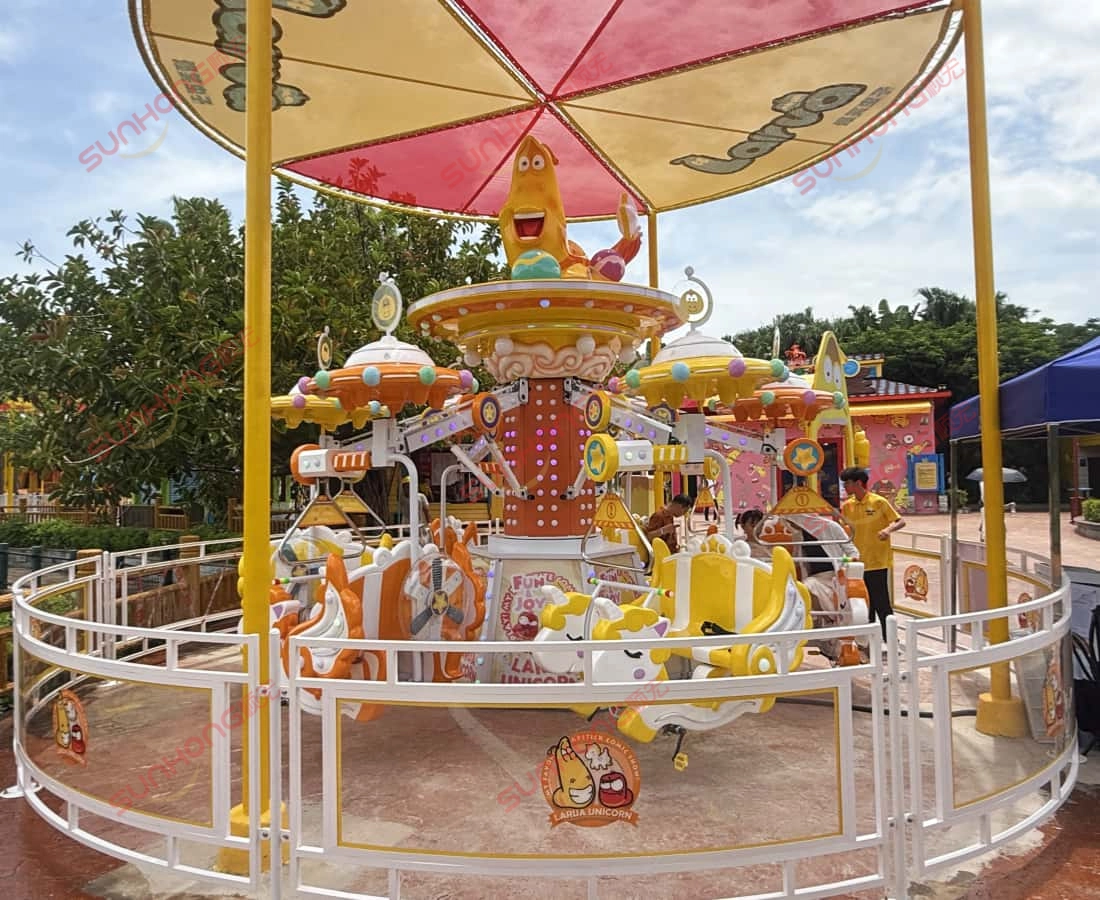
Larva Pedal Spin | Pedal-Controlled Amusement Ride with Unicorn Seats
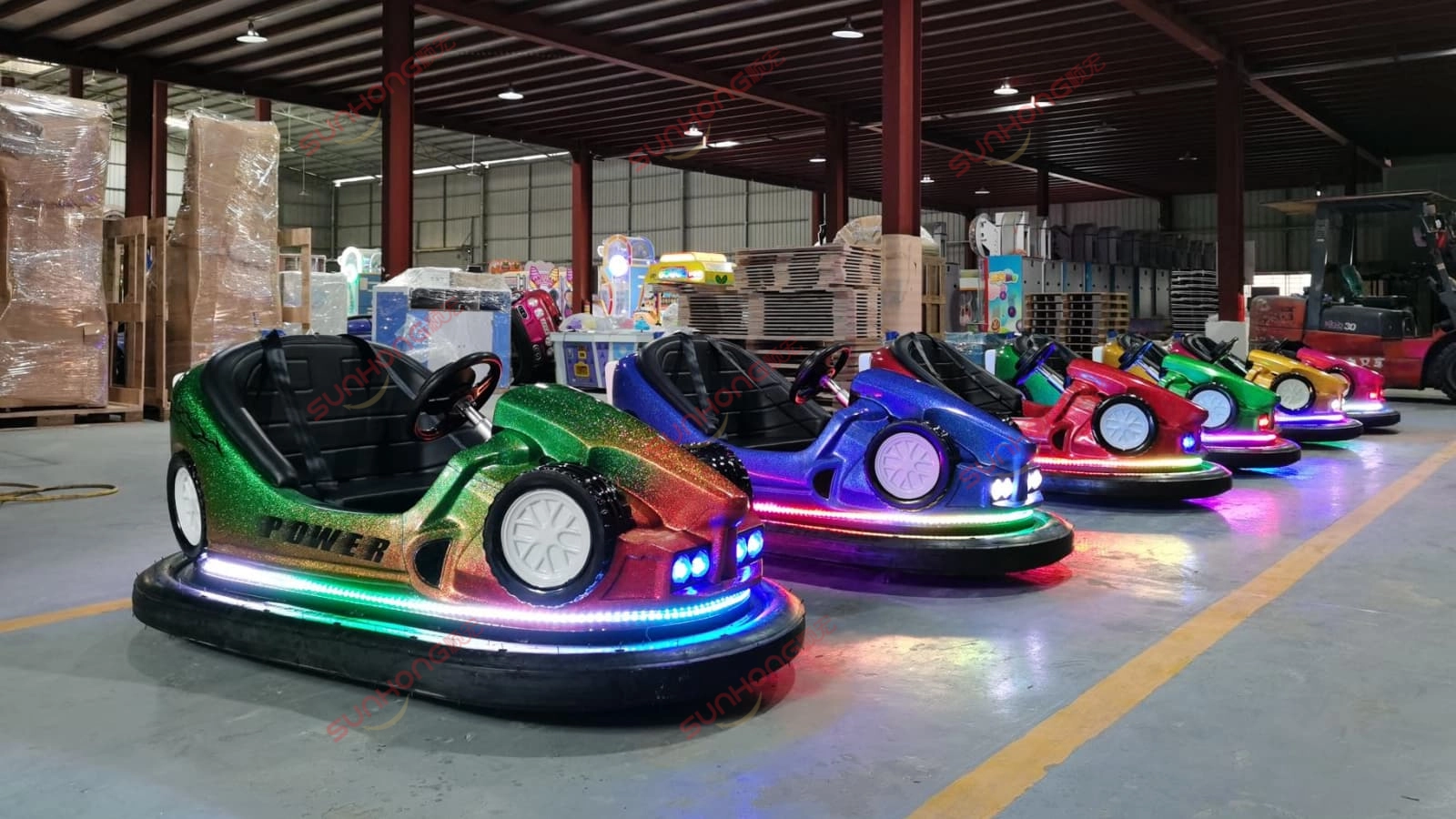
LED Bumper Cars for Adults – Colorful, Powerful & Fun Ride for Sale
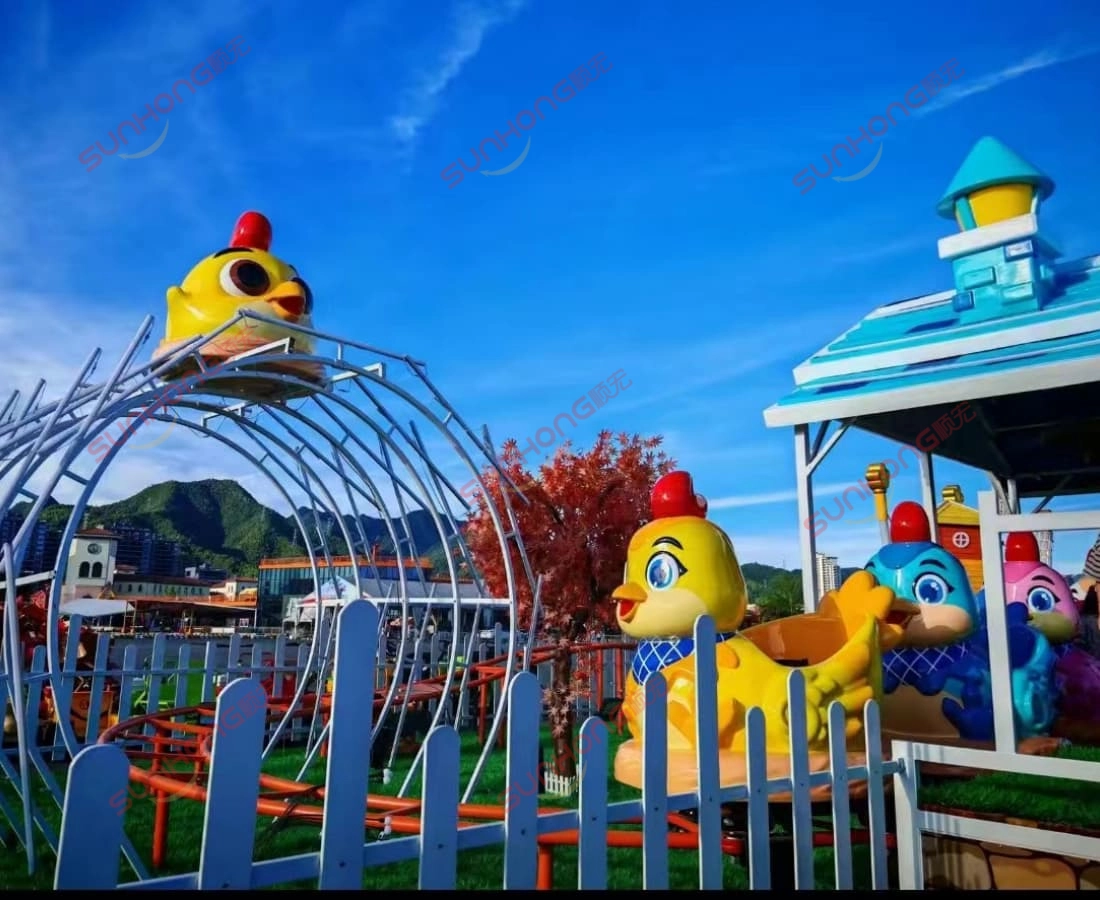
Little Chicken Team – Kiddie Coaster Ride with Adorable Chicken Theme
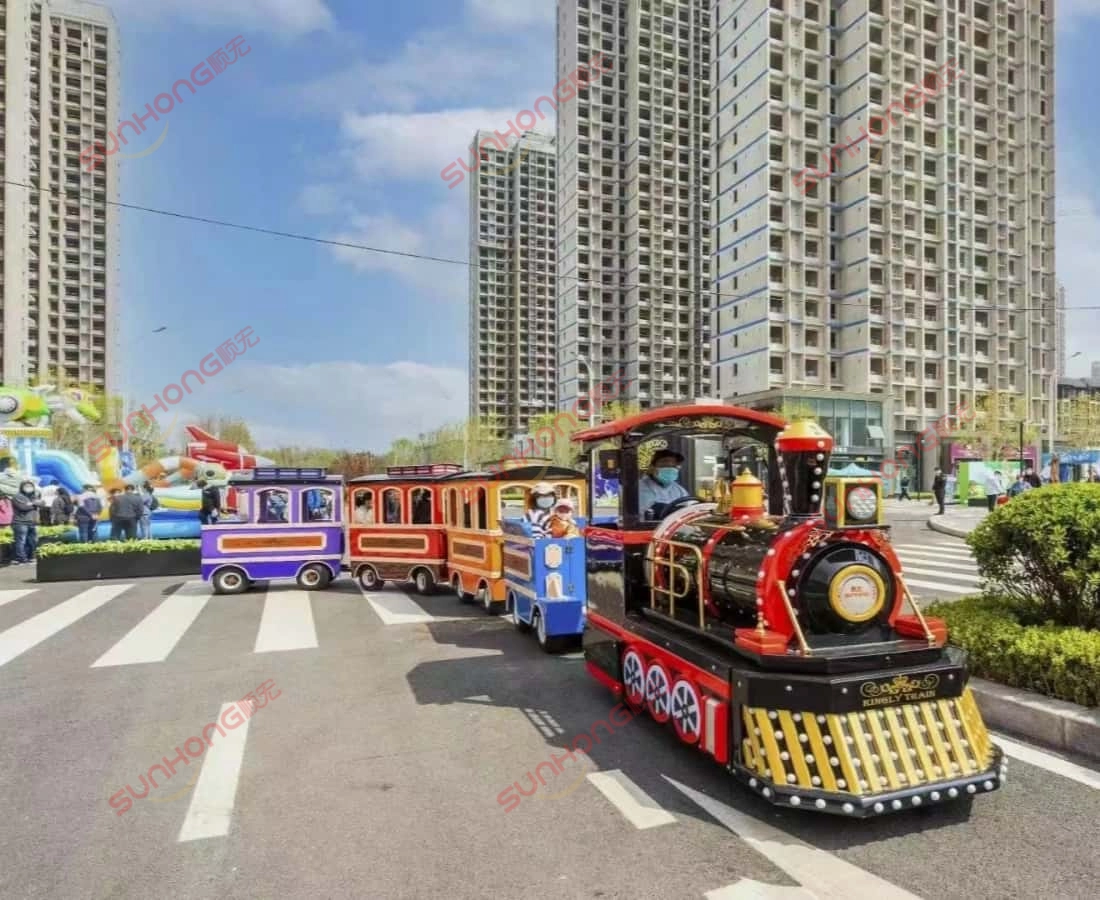
Kingly Trackless Train – Royal Trackless Electric Train for Sale
Leave a message
Ready to elevate your amusement offerings?
Contact Sunhong today to explore how we can bring your vision to life and create unforgettable experiences for your visitors.
* Rest assured that your privacy is important to us, and all information provided will be handled with the utmost confidentiality.
Copyright © 2025 SUNHONG All Reserved.
Guangzhou Shunhong Entertainment Equipment Co.,Ltd.
sunhongrides
SUNHONGAMUSEMENTRIDES
sunhongamusementrides
Scan QR Code