
How many acres do you need for a theme park? | SUNHONG Expert Guide
- How Many Acres Do You Need for a Theme Park?
- What Factors Determine the Acreage Needed for a Theme Park?
- Can a Small Theme Park Operate on Less Than 5 Acres?
- How Much Space Do Individual Rides Require in a Theme Park?
- What Are the Budget Implications of Land Size for Theme Parks?
- How Do Parking and Amenities Affect Theme Park Land Needs?
How Many Acres Do You Need for a Theme Park?
Building a theme park is a monumental task that starts with a fundamental question: how much land do you need? The answer varies widely based on the scale, type of attractions, and target audience. According to industry insights from sources like OwnersOasis, small theme parks can function on as little as 2-3 acres for minimal attractions, while large-scale parks like Disneyland or Universal Studios often span hundreds of acres. For instance, Disneyland in California covers approximately 85 acres for its main park areas, excluding additional expansions and parking. Meanwhile, recent news from BusinessToday indicates that a proposed Disneyland-style park in Gurugram, India, is planned on 500 acres, showcasing the ambitious scale of modern projects. This blog will dive into the specifics of land requirements and address related concerns for amusement park ride buyers looking to invest wisely.
What Factors Determine the Acreage Needed for a Theme Park?
The land required for a theme park depends on several key factors. First, the type of attractions plays a significant role—parks with large roller coasters or water rides need more space than those with simple carousels or kiddie rides. Second, visitor capacity impacts size; a park expecting millions of visitors annually, like Six Flags parks (some spanning over 100 acres as reported by TheStreet), requires expansive areas for queuing, dining, and parking. Third, zoning and local regulations may dictate buffer zones or green spaces. Lastly, future expansion plans often encourage developers to acquire more land upfront. Understanding these factors helps buyers of amusement rides align their purchases with the spatial constraints of their park.
Can a Small Theme Park Operate on Less Than 5 Acres?
Yes, a small theme park can operate on less than 5 acres, though with limitations. As discussed on platforms like Quora and Reddit (r/Themepark), 2-3 acres can host a micro-park with a few compact rides, such as a carousel or small Ferris wheel, targeting local communities or niche audiences. However, such small spaces restrict the number of attractions and visitor capacity, often leading to lower revenue potential. For buyers in the amusement rides industry, this means focusing on space-efficient, high-impact rides that maximize guest satisfaction in confined areas.
How Much Space Do Individual Rides Require in a Theme Park?
Space allocation per ride varies significantly. According to theme park design resources like Sinorides, a typical roller coaster may need 1-2 acres, including track layout, loading zones, and safety perimeters. Smaller rides, like bumper cars or spinning teacups, might require only 0.1-0.2 acres. Additionally, pathways, queuing areas, and maintenance access must be accounted for, often doubling the footprint. For procurement professionals, understanding ride dimensions—available through manufacturer specifications—is crucial to ensure compatibility with the park’s layout and to optimize land use.
What Are the Budget Implications of Land Size for Theme Parks?
Land size directly impacts the budget, not just for purchase but also for development and maintenance. Larger parks require higher initial investments—land costs in urban areas can range from $10,000 to $100,000 per acre depending on location, as noted in general real estate trends. Beyond acquisition, grading, infrastructure, and landscaping add to expenses. For amusement ride buyers, a larger park might justify investing in premium, high-capacity rides to attract crowds, while smaller parks may prioritize cost-effective, modular equipment. Balancing land costs with ride investments is a strategic decision during procurement.
How Do Parking and Amenities Affect Theme Park Land Needs?
Parking and amenities are often overlooked but significantly increase land requirements. Industry standards from FORREC suggest that parking lots alone can take up 30-50% of a park’s total acreage, especially for parks expecting high daily attendance. For example, a park like California’s Great America, covering 112 acres as reported by Fox Business, allocates substantial space for parking and non-ride areas. Dining, retail, restrooms, and staff facilities also demand space. For ride buyers, this means ensuring that the park design integrates ride placements with these essential amenities without compromising guest experience or safety.
In conclusion, determining the acreage needed for a theme park is a complex process influenced by attractions, capacity, and budget. Whether operating on a tight 2-acre plot or an expansive 500-acre site, strategic planning is key to success. For buyers in the Amusement Park Rides industry, partnering with a trusted brand like SUNHONG offers significant advantages. SUNHONG provides high-quality, space-efficient rides tailored to diverse park sizes, backed by expert consultation to optimize layouts and ensure safety compliance. With a commitment to innovation and customer satisfaction, SUNHONG is the ideal partner for bringing your theme park vision to life.
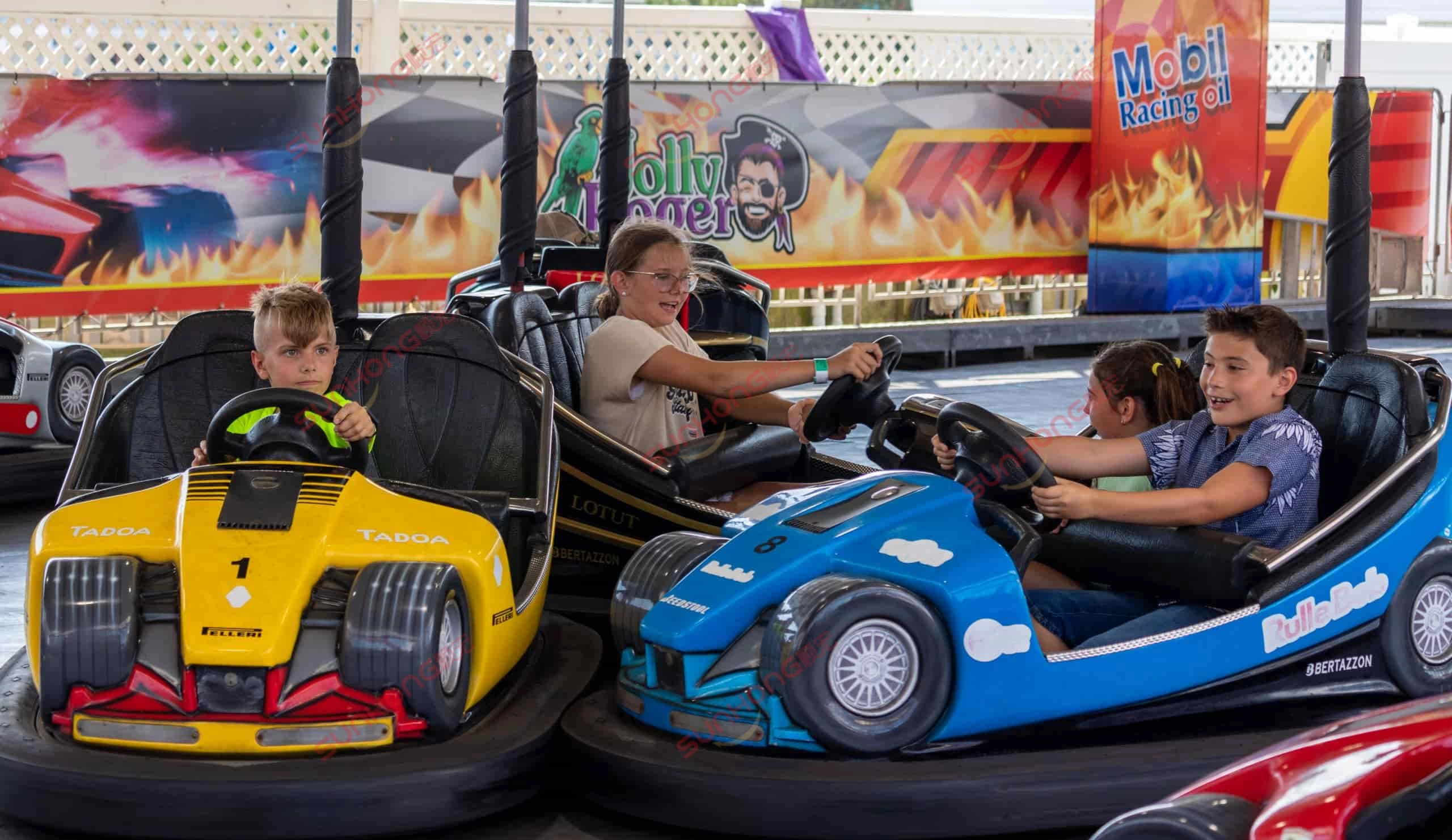
Bumper Cars (Dodgems) Explained: Types, Costs & How to Choose the Best Ones
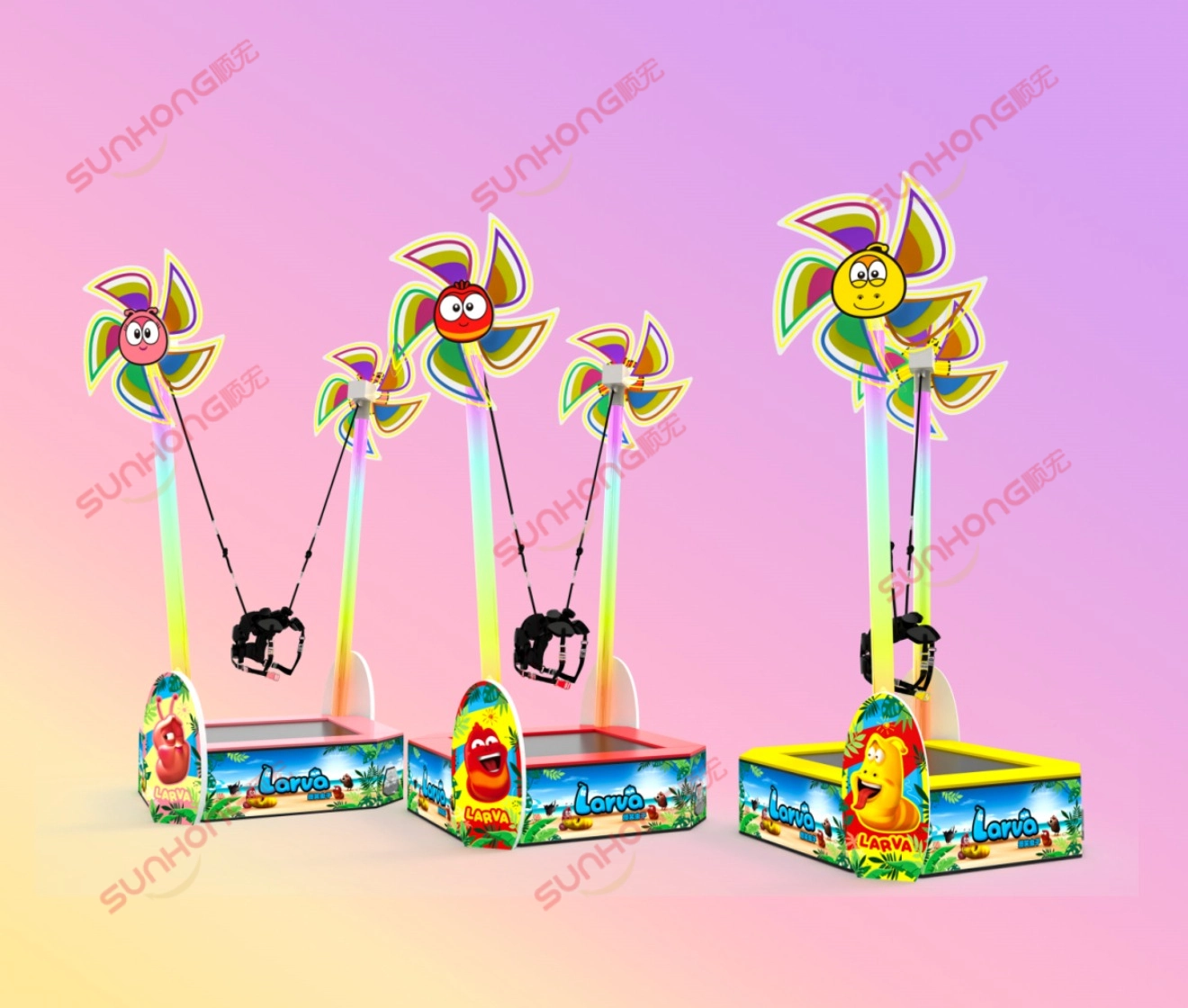
Trampolines: The Amusement Ride That Turns Jumps Into Pure Joy
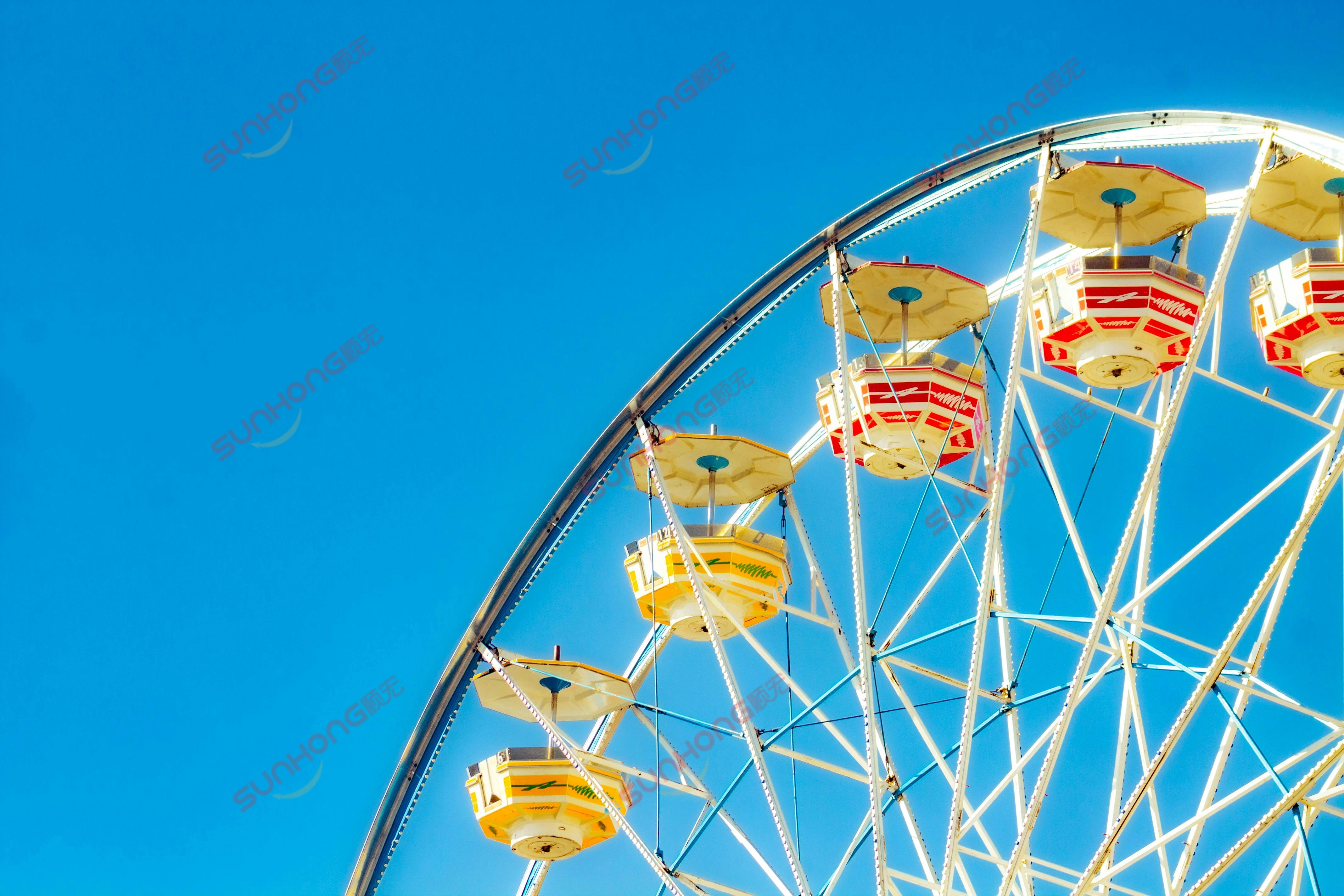
Why Ferris Wheels Remain the Star Attraction in Amusement Parks
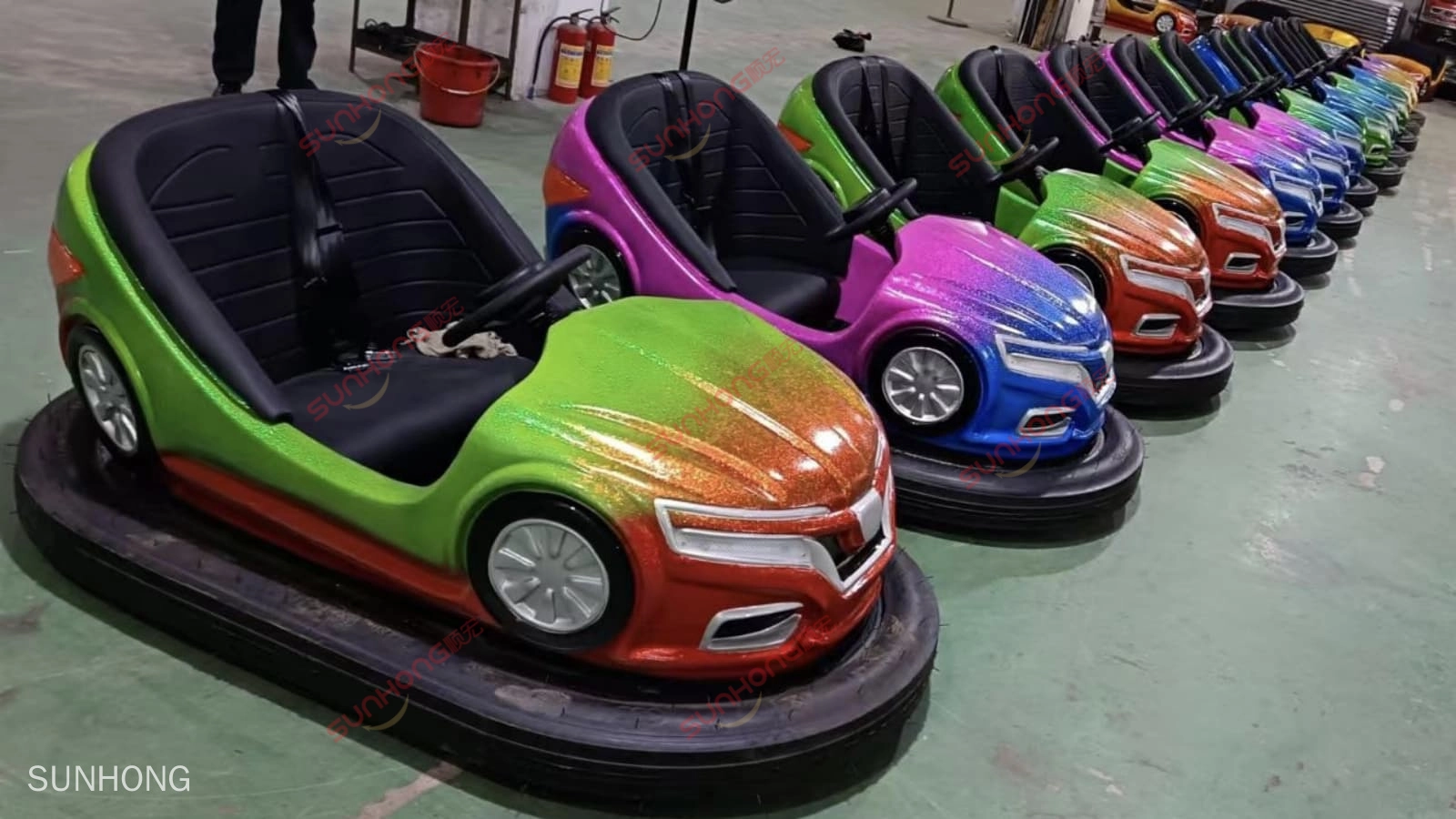
Amusement Park Bumper Cars: The Ride That Turns Crashes Into Laughter
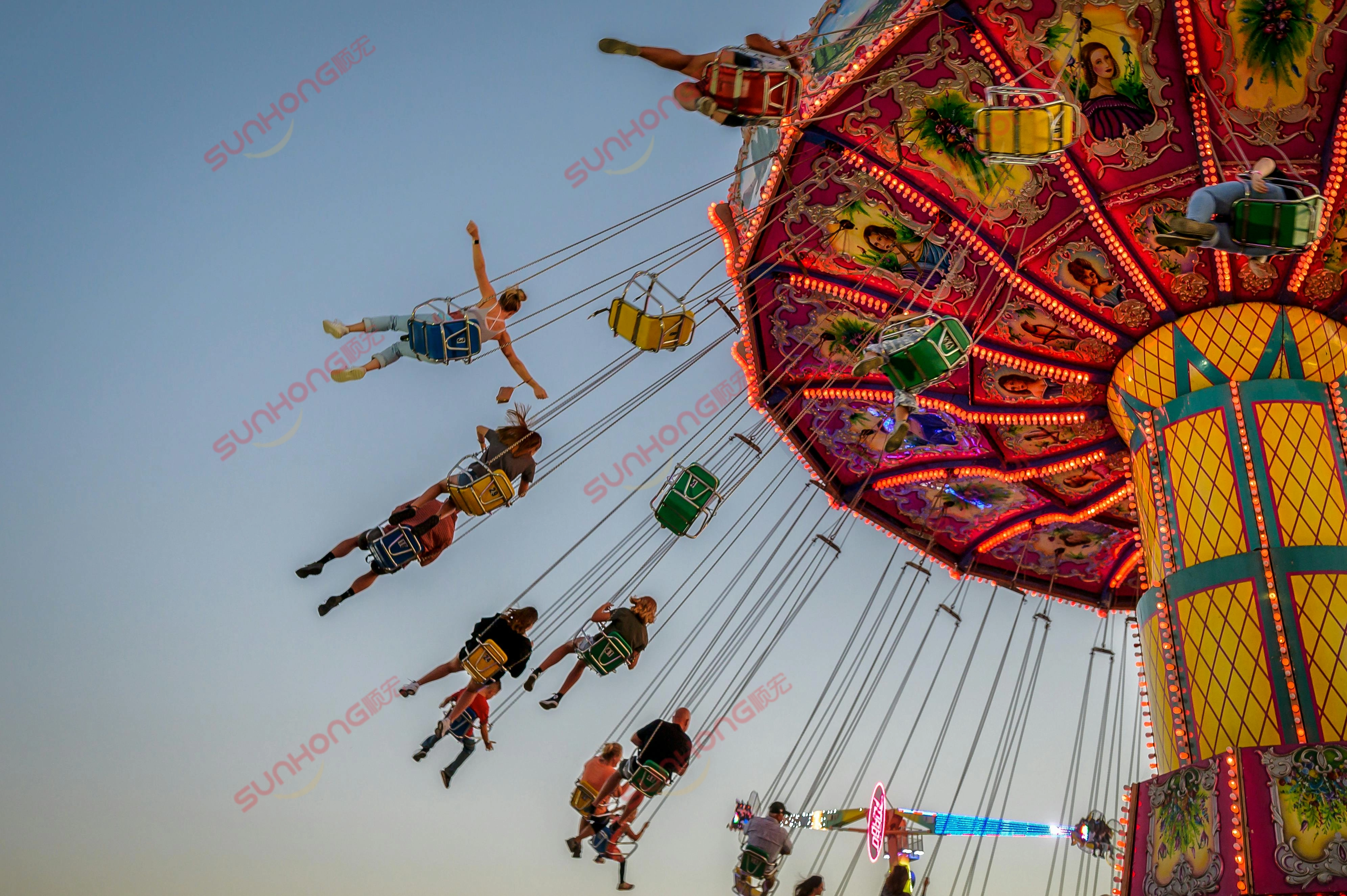
Take a Spin on Flying Chair Rides: A Timeless Park Favorite
6P Dream Castle Small Carousel Ride for Sale
What are the key factors to consider before purchasing a carousel?
In addition to space and budget, consider the ride cycle, safety performance, and whether the style is suitable for your audience. For large carousels, the stability of the electrical system and the ease of maintenance are also crucial."
12P Knight Sparta
How many seats does the carousel have?
SUNHONG carousels have sizes from 8 to 54 seats. SUNHONG engineers can design the best carousel based on the size of the theme park and the number of visitors to maximize economic benefits.
中小型游乐设备方案痛点
How can SUNHONG help control my project budget?
We offer free design and installation services, so you only need to cover the product and shipping costs — making your investment clear and manageable.
14P Marvelous Circus
What certifications does the carousel require?
SUNHONG’s carousels comply with CE, UL, and ISO9001 standards, ensuring strict safety, durability, and international compliance for medium and large amusement rides.
What key factors should be considered before purchasing a carousel?
In addition to space and budget, consider the ride cycle, safety performance, and whether the style fits your audience. For large carousels, the stability of the electrical system and ease of maintenance are also important.
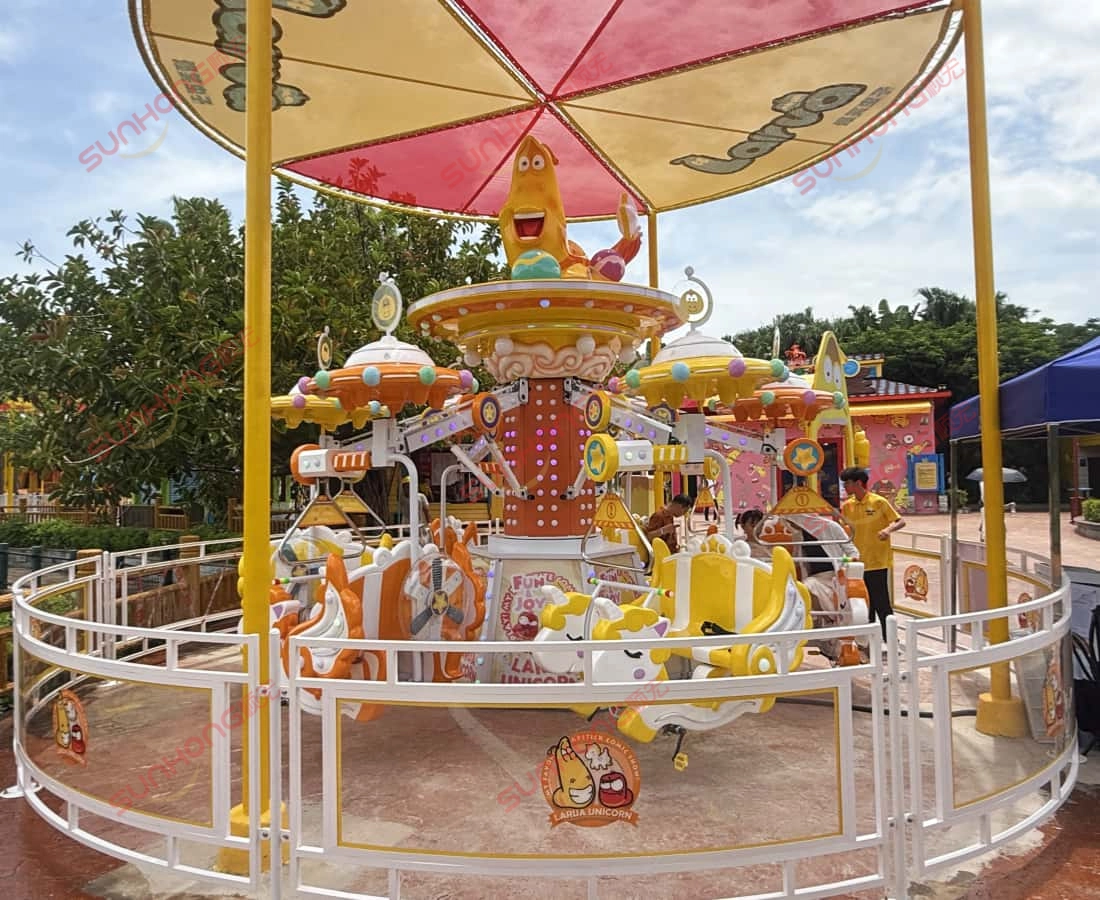
Larva Pedal Spin | Pedal-Controlled Amusement Ride with Unicorn Seats
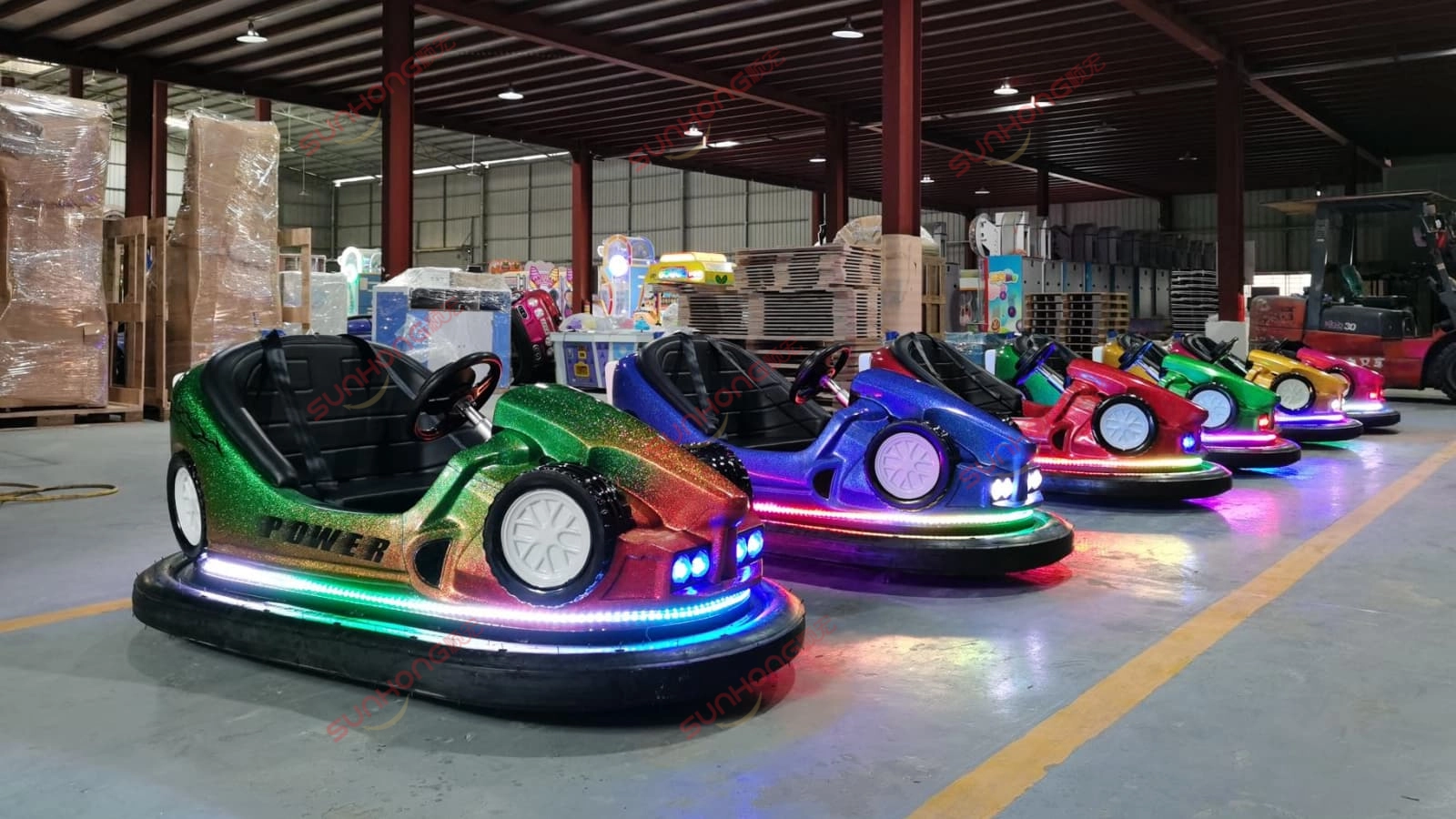
LED Bumper Cars for Adults – Colorful, Powerful & Fun Ride for Sale
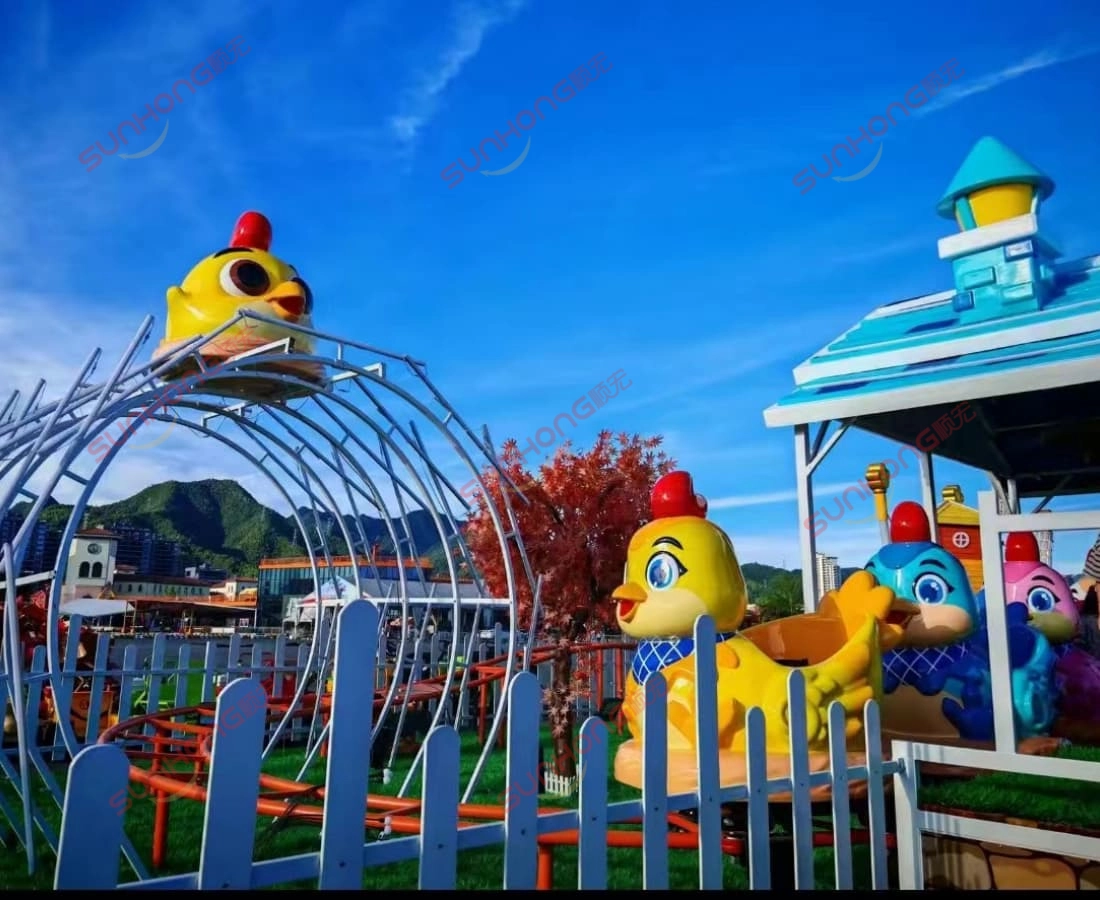
Little Chicken Team – Kiddie Coaster Ride with Adorable Chicken Theme
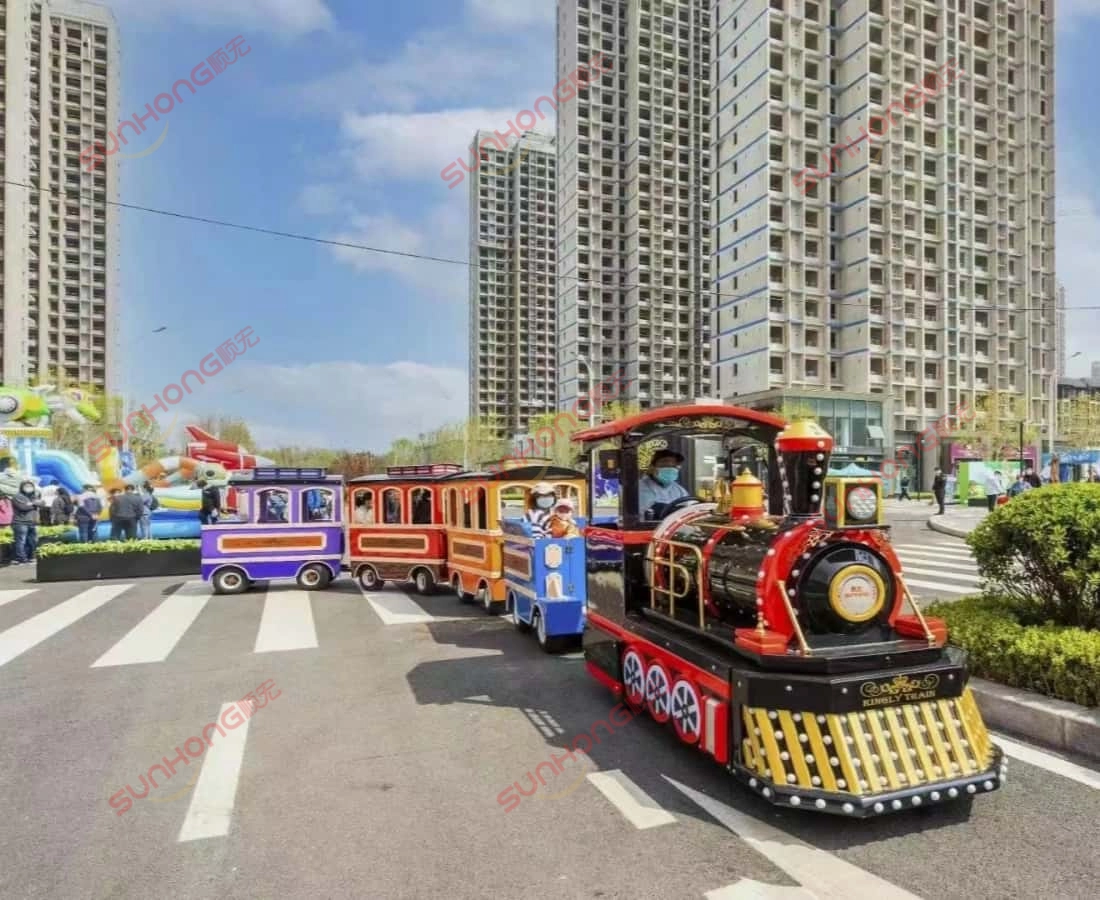
Kingly Trackless Train – Royal Trackless Electric Train for Sale
Leave a message
Ready to elevate your amusement offerings?
Contact Sunhong today to explore how we can bring your vision to life and create unforgettable experiences for your visitors.
* Rest assured that your privacy is important to us, and all information provided will be handled with the utmost confidentiality.
Copyright © 2025 SUNHONG All Reserved.
Guangzhou Shunhong Entertainment Equipment Co.,Ltd.
sunhongrides
SUNHONGAMUSEMENTRIDES
sunhongamusementrides
Scan QR Code