
The B2B Buyer’s Guide to bumper cars | SUNHONG Ultimate Insights
- Introduction: Why Bumper Cars Still Drive ROI for Attractions
- Understand Buyer Intent: What Most B2B Buyers Are Looking For
- Types of Bumper Cars and When to Choose Each
- Classic Electric Floor-Grid Bumper Cars
- Battery-Powered Bumper Cars
- Attraction Variants: Bumper Boats and Amphibious Models
- Key Technical Specifications to Evaluate
- Footprint and Track Design
- Power Requirements and Electrical Planning
- Vehicle Capacity, Weight and Speed
- Safety Standards, Certifications and Compliance
- International and Regional Certifications
- Design and Operation Standards
- Durability, Materials and Maintenance Considerations
- Materials and Build Quality
- Maintenance, Spare Parts and Downtime Planning
- Customization, Branding and Guest Experience
- The Value of Exclusive Customization
- Accessibility and Inclusive Design
- Procurement Checklist: Questions to Ask Your Manufacturer
- Logistics, Installation and Project Management
- Site Preparation and Construction Needs
- Installation, Testing and Staff Training
- Operational Best Practices to Maximize Revenue
- Throughput Optimization
- Pricing Models and Promotions
- Warranty, Service Contracts and Total Cost of Ownership
- Understanding Warranty Scope
- Calculate Total Cost of Ownership (TCO)
- Why Choose SUNHONG as Your Bumper Cars Partner
- Conclusion: A Practical Roadmap for Procurement Success
- Frequently Asked Questions
Introduction: Why Bumper Cars Still Drive ROI for Attractions
Bumper cars remain one of the most popular family-friendly attractions worldwide, delivering high throughput, low staffing needs, and strong repeat-rider appeal. For B2B buyers—park operators, FECs (family entertainment centers), shopping-mall operators, and event planners—selecting the right bumper cars means balancing safety, capacity, customization, and lifecycle costs. This guide from SUNHONG offers practical, industry-proven insights to help you specify, procure, install, and operate bumper cars that meet regulatory requirements and maximize guest satisfaction and revenue.
Understand Buyer Intent: What Most B2B Buyers Are Looking For
When professionals search for a “bumper cars” buyer’s guide, they want clear answers to these business questions: Which bumper car type suits my venue? What are footprint and power requirements? How do I meet safety standards and certifications? What are lead times, warranty and maintenance expectations? This guide focuses on those commercial-intent questions to help procurement and operations teams make data-driven decisions.
Types of Bumper Cars and When to Choose Each
Classic Electric Floor-Grid Bumper Cars
These use a conductive floor and ceiling grid to deliver power. They are proven, durable, and suitable for permanent installations in amusement parks and large FECs. Advantages include continuous operation without battery swaps and simple power management. Consider them if you have a dedicated indoor or covered outdoor space with proper electrical infrastructure.
Battery-Powered Bumper Cars
Battery cars offer layout flexibility and lower installation cost because they don't require a conductive floor/ceiling. Modern lithium battery systems can provide several hours of continuous operation and fast charging solutions. Choose battery systems if you need a temporary setup or anticipate moving the attraction. Plan for spare batteries and a safe charging/maintenance area.
Attraction Variants: Bumper Boats and Amphibious Models
If your venue includes a water feature, bumper boats extend the concept for aquatic entertainment. These require special pool engineering, water filtration, and additional safety protocols. SUNHONG provides tailored solutions for both land and water bumper attractions with compliance to relevant regional regulations.
Key Technical Specifications to Evaluate
Footprint and Track Design
Calculate space per car and safe operating area. Typical bumper car arenas range from small (6–8 cars, 8–10m diameter) to large arenas (20+ cars, 18–25m diameter). Allow clearance for vehicle movement, ingress/egress, and spectator areas. A well-designed track optimizes throughput and guest comfort.
Power Requirements and Electrical Planning
Determine if you’ll use floor/ceiling conductive systems, battery arrays, or hybrid systems. Each option affects site electrical design, breaker capacity, and heat/ventilation requirements. Engage electrical engineers early to confirm wiring, grounding, and emergency shutoffs.
Vehicle Capacity, Weight and Speed
Assess passenger capacity per vehicle (usually 1–2 riders), manufacturer-specified weight limits, and maximum speeds. Typical bumper cars are low-speed (under 8–12 km/h) to prioritize safety and reduce impact forces. Verify manufacturer testing data and compliance with regional safety standards.
Safety Standards, Certifications and Compliance
International and Regional Certifications
Confirm manufacturer certifications before purchase. Reputable suppliers like SUNHONG hold multiple certificates—CE (EU), UKCA (UK), SABER (Saudi Arabia), TUV (Germany), and ASTM (United States)—and have successful export experience. Ensure the model you buy meets local requirements and that documentation is included for installation and operation.
Design and Operation Standards
Look for adherence to recognized standards such as EN 13814 (safety of amusement parks and devices) and ASTM F2291 (design standard for amusement rides). These standards guide mechanical design, restraint systems, emergency procedures, and maintenance schedules.
Durability, Materials and Maintenance Considerations
Materials and Build Quality
Quality bumper cars use corrosion-resistant metal frames, impact-absorbing bumpers, UV-resistant plastics, and durable paint systems to withstand heavy use. Ask for material specifications, testing reports, and expected lifecycle data from the manufacturer.
Maintenance, Spare Parts and Downtime Planning
Negotiate spare parts packages and guaranteed parts availability. Typical consumables include batteries, seat belts, motors, and bumpers. Create a preventive maintenance schedule with the manufacturer’s recommended intervals to minimize downtime and extend life. Suppliers with global service networks—like SUNHONG, which has installed rides in over 56 countries—can support faster parts delivery and technical training.
Customization, Branding and Guest Experience
The Value of Exclusive Customization
Customization is a strong differentiator for B2B buyers focused on branding or themed environments. SUNHONG specializes in exclusive customization—colors, themed shells, LED lighting, sound systems, and integrated queuing solutions. Customization improves guest perception and increases photo-op moments that drive social shares and repeat visits.
Accessibility and Inclusive Design
Prioritize universal design features where applicable—wider doorways, lower step-ins, and clear signage—to accommodate families and guests with reduced mobility. Accessibility can broaden your customer base and comply with local accessibility regulations.
Procurement Checklist: Questions to Ask Your Manufacturer
Before signing a contract, ensure you have clear answers to these commercial and technical questions:
- What certifications and testing reports accompany these bumper cars?
- What is included in the standard warranty and what optional extended warranties are available?
- What are the lead times for production, shipping, and installation?
- Are spare parts stocked locally or shipped from the factory? Typical replacement lead times?
- What installation, commissioning, and operator training services are included?
- Can you provide references or case studies from similar installations?
- What is the expected lifecycle and recommended maintenance plan?
Logistics, Installation and Project Management
Site Preparation and Construction Needs
Early coordination between your project team and the manufacturer prevents costly delays. Site prep may include concrete slabs, drainage, electrical infrastructure, fencing, and spectator areas. SUNHONG offers comprehensive construction and project management services from concept to completion, reducing your coordination burden.
Installation, Testing and Staff Training
Professional installation and factory acceptance testing ensure safe operation. Insist on operator and maintenance training as part of the contract. Proper staff training reduces incidents and prolongs ride life.
Operational Best Practices to Maximize Revenue
Throughput Optimization
Design queue lines, ride cycles, and operator procedures to maximize hourly throughput. Typical strategies include optimized loading/unloading workflows, dynamic cycle times, and peak-hour staffing plans. Bumper cars can be highly efficient revenue generators when throughput is managed well.
Pricing Models and Promotions
Consider per-ride pricing, time-based sessions, or multi-attraction wristbands depending on your business model. Bundled packages, off-peak promotions, and birthday-party add-ons increase utilization and customer lifetime value.
Warranty, Service Contracts and Total Cost of Ownership
Understanding Warranty Scope
Clarify what the warranty covers—structural components, electrical systems, motors, and consumables. Ask about on-site warranty support, labor coverage, and response times. Strong manufacturers provide clear warranty documents and service-level agreements.
Calculate Total Cost of Ownership (TCO)
Look beyond purchase price. Include installation costs, site modifications, spare parts inventory, energy costs (electric grid vs. battery charging), staffing, and projected maintenance. A lower upfront price can result in higher TCO if parts or service are expensive or slow to obtain.
Why Choose SUNHONG as Your Bumper Cars Partner
SUNHONG is a large-scale comprehensive amusement ride manufacturer with more than ten years of export experience. We provide end-to-end services: overall planning, R&D, exclusive customization, manufacturing, construction, and operation management. SUNHONG rides meet international certifications including CE, UKCA, SABER, TUV, and ASTM, and our products are installed in over 56 countries. Our in-house teams support everything from early concept design to on-site installation and operator training, helping buyers reduce procurement risk and accelerate time-to-revenue.
Conclusion: A Practical Roadmap for Procurement Success
Purchasing bumper cars is a strategic investment that impacts guest experience, safety, and long-term profitability. Follow these steps: define business goals (capacity, footprint, branding), evaluate technical specs and certifications, insist on a comprehensive procurement checklist, plan logistics and site prep early, and negotiate warranty and service agreements. Partner with an experienced manufacturer—like SUNHONG—that can provide certified products, end-to-end project support, and global after-sales service. With the right partner and specifications, bumper cars can deliver consistent revenue and high guest satisfaction for years.
Frequently Asked Questions
What are the main differences between floor-grid and battery bumper cars?Floor-grid systems provide continuous power through a conductive floor and ceiling grid—ideal for permanent installations and high-hours operation. Battery systems offer layout flexibility and easier temporary installations but require battery management and spare batteries for continuous operation.
How long does it typically take to receive and install bumper cars?Lead times vary by customization level, production schedule, and shipping logistics. Typical timelines range from 8 to 20 weeks for production plus 1–3 weeks for on-site installation and commissioning. Complex custom projects or international shipping can extend this timeline.
What safety certifications should I insist on?Request manufacturer-provided certifications such as CE, UKCA, ASTM compliance, and any local approvals (e.g., SABER for Saudi Arabia). Also verify compliance with design standards such as EN 13814 or ASTM F2291 and ask for test reports and inspection records.
How do I plan maintenance to minimize downtime?Establish a preventive maintenance schedule based on manufacturer recommendations. Stock critical spares, train on-site maintenance staff, and secure a service contract for emergency support. Regular inspections of motors, bumpers, batteries, and restraints help prevent unexpected failures.
Can bumper cars be themed or branded for my venue?Yes. Customization options include themed shells, LED effects, audio systems, vinyl wraps, and bespoke colors. SUNHONG specializes in exclusive customization to align attractions with SUNHONG and guest experience goals.
Wholesale theme park rides manufacturer and supplier
Wholesale tagada ride manufacturer and supplier
Wholesale pirate ship amusement ride manufacturer and supplier
Top 10 Must-Try Amusement Thrill Rides in the World
Golden Year Carousel
How many seats does the carousel have?
A: The number of seats of SUNHONG carousels ranges from 8 to 54. SUNHONG engineers can design the most suitable carousel according to the scale of the amusement park and the flow of visitors, thereby maximizing economic benefits.
What certifications are required for carousels?
SUNHONG carousels have obtained the following certifications: CE, UL and ISO9001 quality management system certification. These certifications ensure that the carousel meets the relevant safety and quality standards, thereby ensuring the safety of visitors.
Why should I invest in a carousel for my amusement park?
Carousels are important attractions in amusement parks. Many visitors consider carousels to be a must-have item in an amusement park, as they are gentler than those exciting rides, making them especially popular with children and family visitors. Carousels are a key factor in attracting visitors. SUNHONG carousels are available in configurations ranging from 8 to 54 seats, and you can make the best choice based on visitor traffic and budget to ensure the best return on investment.
16P Larva Double Decker Carousel for Sale
How many seats does the carousel have?
The number of seats for SUNHONG carousels ranges from 8 to 54. Our engineers will design the most appropriate configuration based on the size of your park and the expected number of visitors, helping you achieve greater operational efficiency and economic benefits.
Home页
Do you provide one-stop amusement park solutions?
We provide end-to-end services, including theme park design and planning, amusement ride manufacturing, installation, operational guidance, and after-sales support.
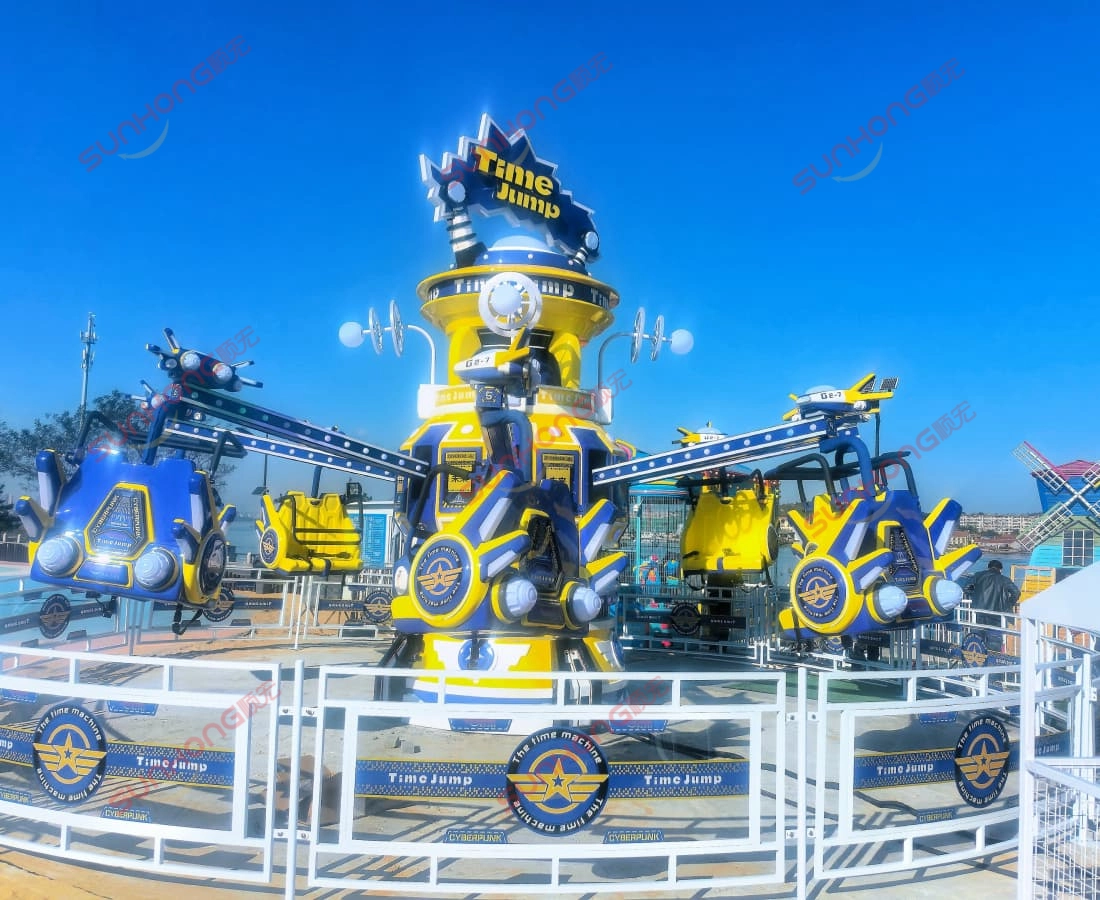
16-Seat Time Jump – Rotating Plane Ride for Amusement Parks
Time Jump is a thrilling and cost-effective amusement ride, 100% originally developed and manufactured by SUNHONG with patented certification. Designed for families and children, it combines motor drive and air-compressor cylinders to achieve dynamic movements—left-right rotation, variable-speed spinning, bouncing seats, and full 360-degree spins.
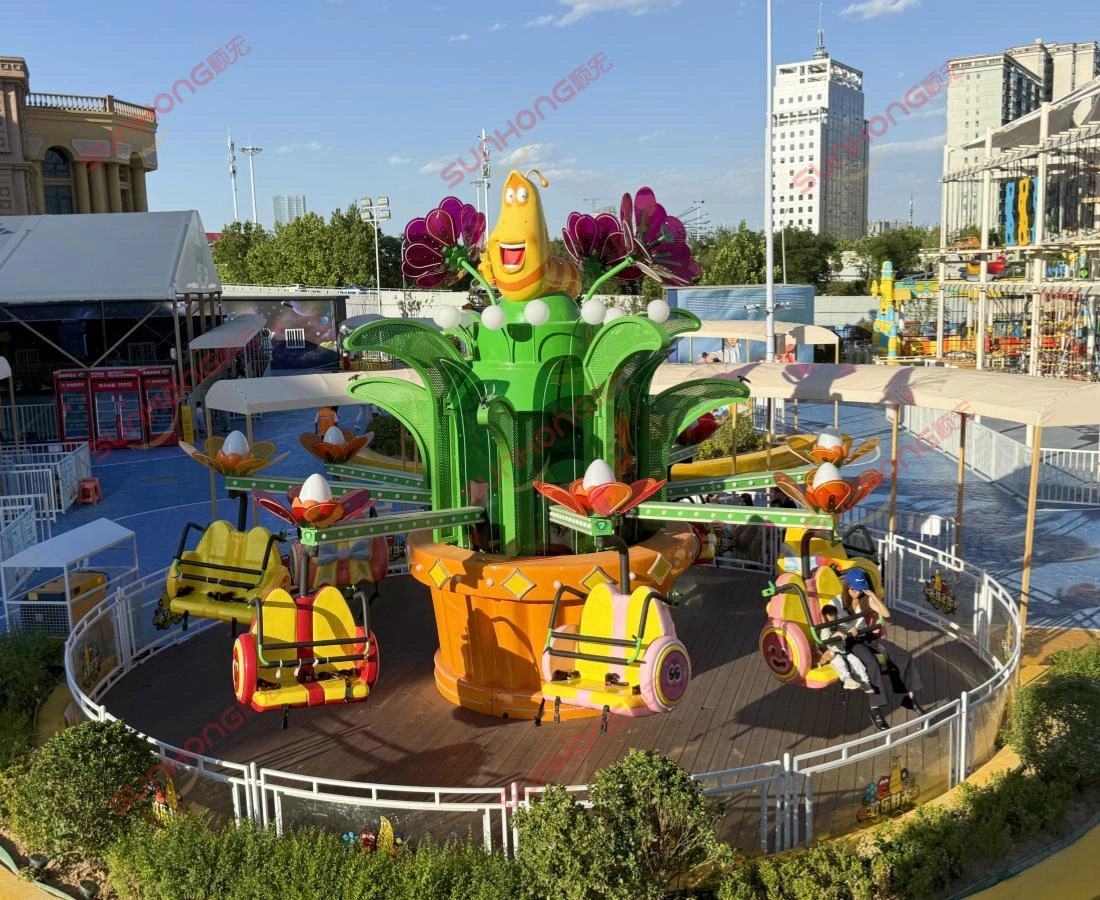
Larva Blooms Bounce Ride – Hot IP Custom Attraction with 360° Spin & Bounce
Larva Blooms is a patented bounce ride inspired by the hit Larva animation series. Featuring full platform rotation, 360° spinning seats, and dynamic bouncing motion, it delivers a thrilling ride experience for families and kids. IP customization available with OEM/ODM service.

360 Degree Rotating Ride Swing Thrill Amusement Rides for Attractions
Air Bus is a stunning addition to our family amusement rides, delivering a one-of-a-kind 360° dual-rotation experience. With its swinging arm and self-spinning cabin, bright yellow flying-bus design, dynamic music effects, and customizable options, this ride is more than just entertainment—it’s a show-stopping centerpiece that helps your park attract crowds.
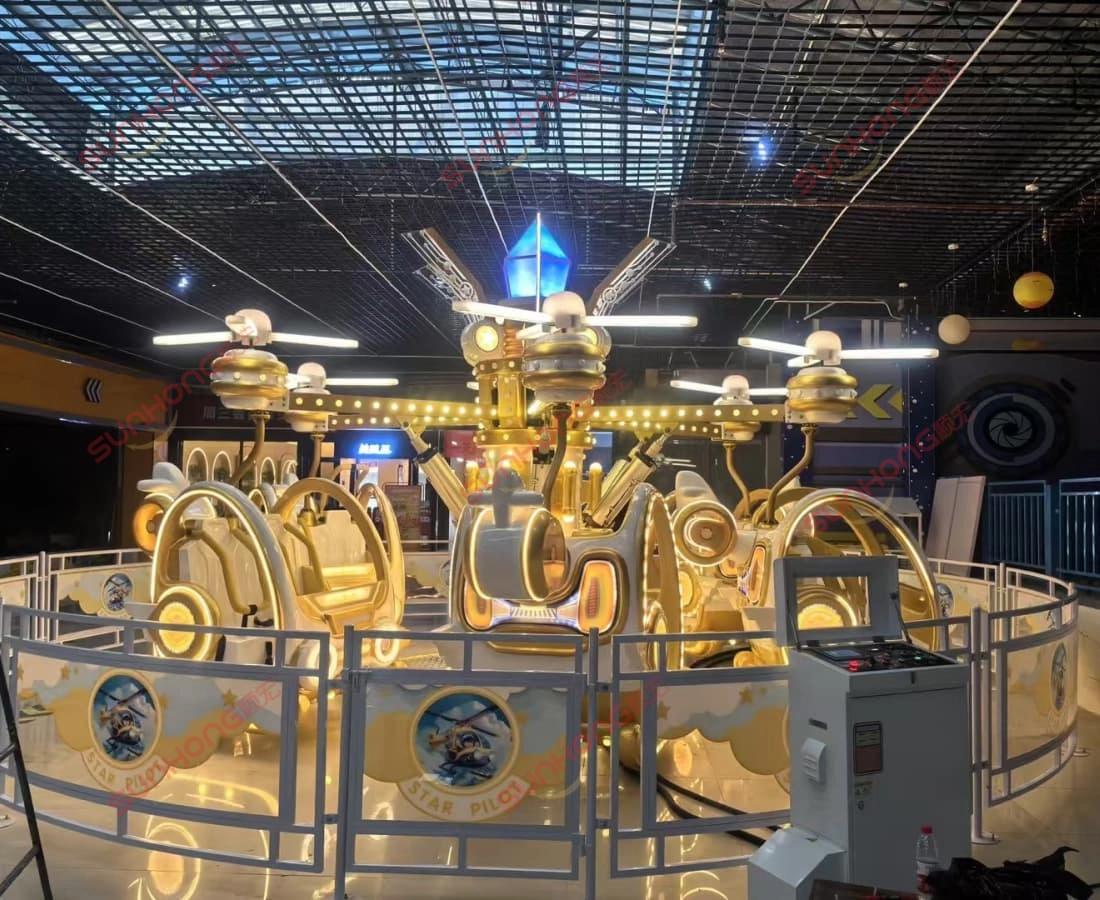
Star Pilot-Rotating Plane Rides for Thrill Rides and Family Rides
Discover SUNHONG’s Star Pilot—High Quality Rotating Plane Rides for sale, expertly designed for thrill rides and family rides. Elevate your amusement park with this safe, reliable, and eye-catching attraction. Make every family adventure unforgettable with innovative Rotating Plane Rides by SUNHONG.
Copyright © 2025 SUNHONG All Reserved.
Guangzhou Shunhong Entertainment Equipment Co.,Ltd.
sunhongrides
SUNHONGAMUSEMENTRIDES
sunhongamusementrides
Scan QR Code