
How to calculate the required footprint for a new ride installation? | Insights by SUNHONG
- Understanding the Space Requirements for New Amusement Ride Installations
- 1. What Factors Influence the Footprint of an Amusement Ride?
- 2. How Do Safety Standards Affect Ride Footprint Calculations?
- 3. What Are the Space Requirements for Different Ride Types?
- 4. How Do Operational Considerations Impact Space Planning?
- 5. How Do Environmental and Site-Specific Factors Affect Footprint Calculations?
- 6. How Can Technology Assist in Accurate Footprint Calculations?
- 7. What Are the Costs Associated with Ride Footprint Planning?
- 8. How Can SUNHONG Assist in Ride Installation and Footprint Planning?
Understanding the Space Requirements for New Amusement Ride Installations
When planning to install a new amusement ride, accurately calculating the required footprint is essential for ensuring safety, compliance with regulations, and optimal guest experience. This process involves several key considerations:
1. What Factors Influence the Footprint of an Amusement Ride?
The footprint of an amusement ride is primarily determined by:
Ride Type and Design: Different rides have varying space requirements. For instance, mechanical rides may require areas ranging from 24m² to 30m², depending on their size and complexity.
Safety Zones: Adequate space must be allocated for safety barriers, evacuation routes, and emergency access.
Guest Flow Areas: Space for queuing lines, waiting areas, and pathways to manage guest movement efficiently.
Operational Equipment: Room for control booths, maintenance access, and storage facilities.
2. How Do Safety Standards Affect Ride Footprint Calculations?
Safety standards play a crucial role in determining the space requirements:
ADA Compliance: The Americans with Disabilities Act (ADA) mandates specific dimensions for wheelchair spaces and accessible routes. For example, wheelchair spaces on amusement rides must have a clear width of at least 30 inches and a clear length of at least 48 inches.
Load and Unload Areas: These areas must have stable, firm, and slip-resistant surfaces with a slope not steeper than 1:48 to accommodate all guests safely.
3. What Are the Space Requirements for Different Ride Types?
Space requirements vary based on the ride type:
Mechanical Rides: Typically require areas ranging from 24m² to 30m², depending on their size and complexity.
Dark Rides: Enclosed attractions like dark rides may require significant building space. For instance, the Space Fantasy – The Ride at Universal Studios Japan is housed in a building measuring 72 by 72 meters.
Drop Towers: The Space Shot ride has a footprint of approximately 7.5 feet (2.28 meters) for a 12-seat configuration and 10 feet (3 meters) for a 16-seat configuration.
4. How Do Operational Considerations Impact Space Planning?
Operational needs significantly influence space planning:
Guest Capacity: Determining the desired hourly rider capacity helps in designing efficient queuing systems and ride throughput.
Maintenance Access: Adequate space must be allocated for routine maintenance and emergency repairs without disrupting guest activities.
Safety Equipment: Proper placement of safety devices, such as emergency stop buttons and evacuation routes, is essential.
5. How Do Environmental and Site-Specific Factors Affect Footprint Calculations?
Environmental and site-specific factors include:
Topography: Uneven terrain may require additional space for leveling and foundation work.
Utilities: Proximity to power sources, water lines, and sewage systems can impact space planning.
Local Regulations: Compliance with local building codes and zoning laws may impose additional space requirements.
6. How Can Technology Assist in Accurate Footprint Calculations?
Advancements in technology aid in precise space planning:
3D Modeling: Software tools allow for virtual simulations of ride installations, helping visualize space utilization.
GIS Mapping: Geographic Information Systems (GIS) can analyze site conditions and optimize space usage.
Data Analytics: Analyzing guest flow data can inform efficient space design to enhance the guest experience.
7. What Are the Costs Associated with Ride Footprint Planning?
Costs to consider include:
Design and Engineering: Expenses for architectural and engineering services to plan the ride and its surroundings.
Construction: Costs related to site preparation, foundation work, and building structures.
Compliance: Investments to meet safety standards and regulatory requirements.
Operational Setup: Expenses for installing operational equipment and safety systems.
8. How Can SUNHONG Assist in Ride Installation and Footprint Planning?
SUNHONG offers comprehensive services to ensure successful ride installations:
Site Preparation: Thorough ground cleaning, infrastructure repairs, and utility checks to prepare the site.
Foundation Construction: Building stable foundations for various ride types, including deep foundations for large structures.
Component Installation: Precise assembly of ride components using high-precision machinery and lifting equipment.
Power and Safety Systems: Installation of power systems, electrical wiring, and comprehensive safety equipment.
Testing and Commissioning: Conducting functional and safety tests to ensure optimal performance.
Operator Training: Providing training for operators on equipment startup, shutdown, daily inspections, and emergency operations.
By partnering with SUNHONG, you can ensure that your new amusement ride is installed efficiently, safely, and in compliance with all necessary standards. ((https://www.isunhong.com/amusement-ride-installation.html?utm_source=openai))
Accurate footprint calculation is vital for the successful installation of new amusement rides. By considering ride-specific requirements, safety standards, operational needs, and environmental factors, you can create a space plan that ensures safety, compliance, and an enjoyable guest experience.
SUNHONG's expertise in ride installation and footprint planning can guide you through this complex process, ensuring a seamless and successful addition to your amusement park.
Top 10 Classic and Popular Extreme Amusement Rides: A Guide for Investors
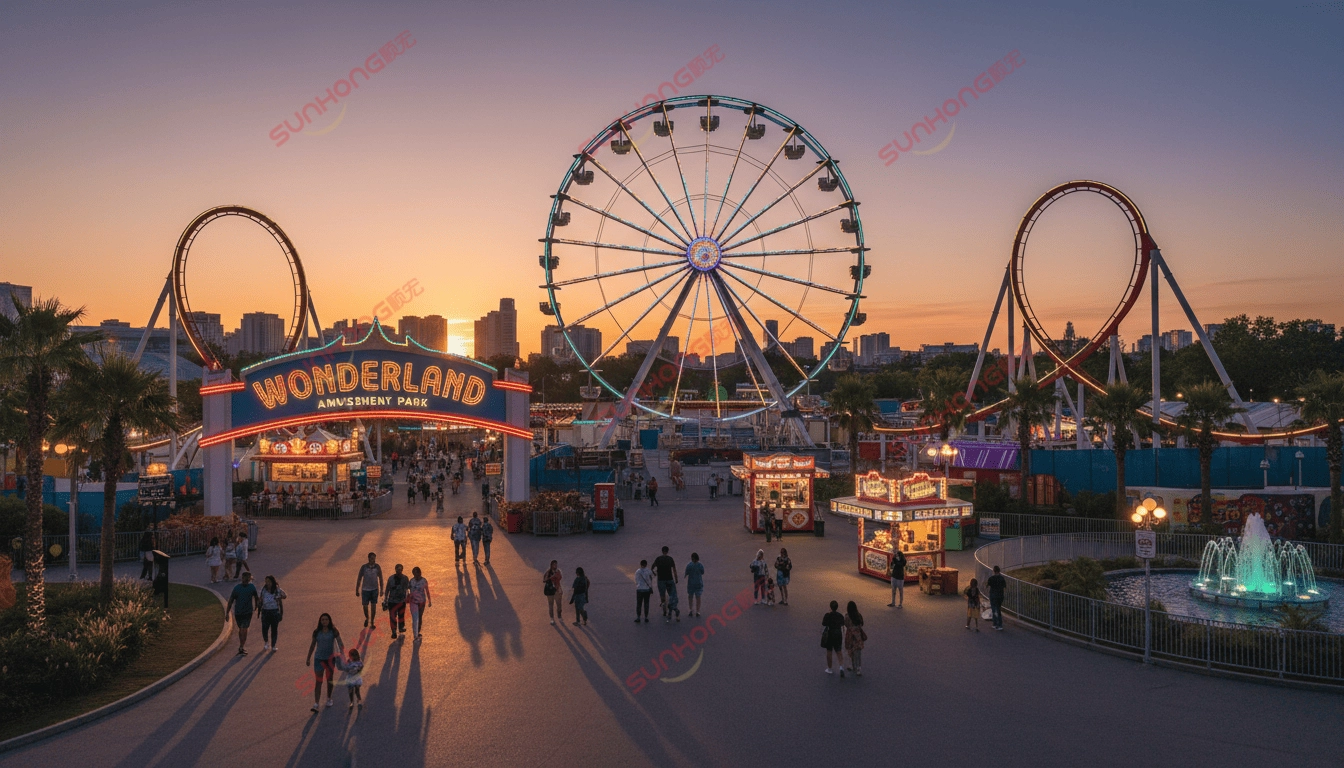
How to Design an Amusement Park: The Ultimate 2026 Guide to Vision, Creation, & Profitability

The Ultimate Guide to Amusement Park Designs: From Concept to Thrilling Reality (2026)

Unlocking Thrills: The Definitive Guide to Roller Coaster Manufacturing & Innovation in 2026

The 10 Most Popular Spinning Rides You’ll Find at Amusement Parks
Time Jump
What is the lead time for production?
Production typically takes 2 to 5 weeks, depending on the level of customization and order complexity.
Golden Year Carousel
Can I customize the appearance of the carousel?
Yes, SUNHONG provides customized services such as the theme, color, seat shape and decoration style of the carousel. SUNHONG's design engineers can create a carousel with exclusive IP or brand according to the overall design of the amusement park, thereby enhancing the attraction and traffic of the amusement park.
products
How do you handle emergency repairs and support?
Our after-sale department offer 7 days 24 hours emergency support and repair services to address any issues promptly.
16P Knight Sparta
What certificates are required for the carousel?
SUNHONG carousel has the following certificates: CE, UL ,and ISO9001 quality management system certification. These certificates ensure that the carousel meets relevant safety and quality standards, ensuring the safety of visitors.
36P Knight Sparta
How many seats does the carousel have?
The number of seats for the SUNHONG carousel ranges from 8 to 54. SUNHONG's engineers can design the optimal carousel based on the size of the amusement park and visitor flow to maximize economic benefits.
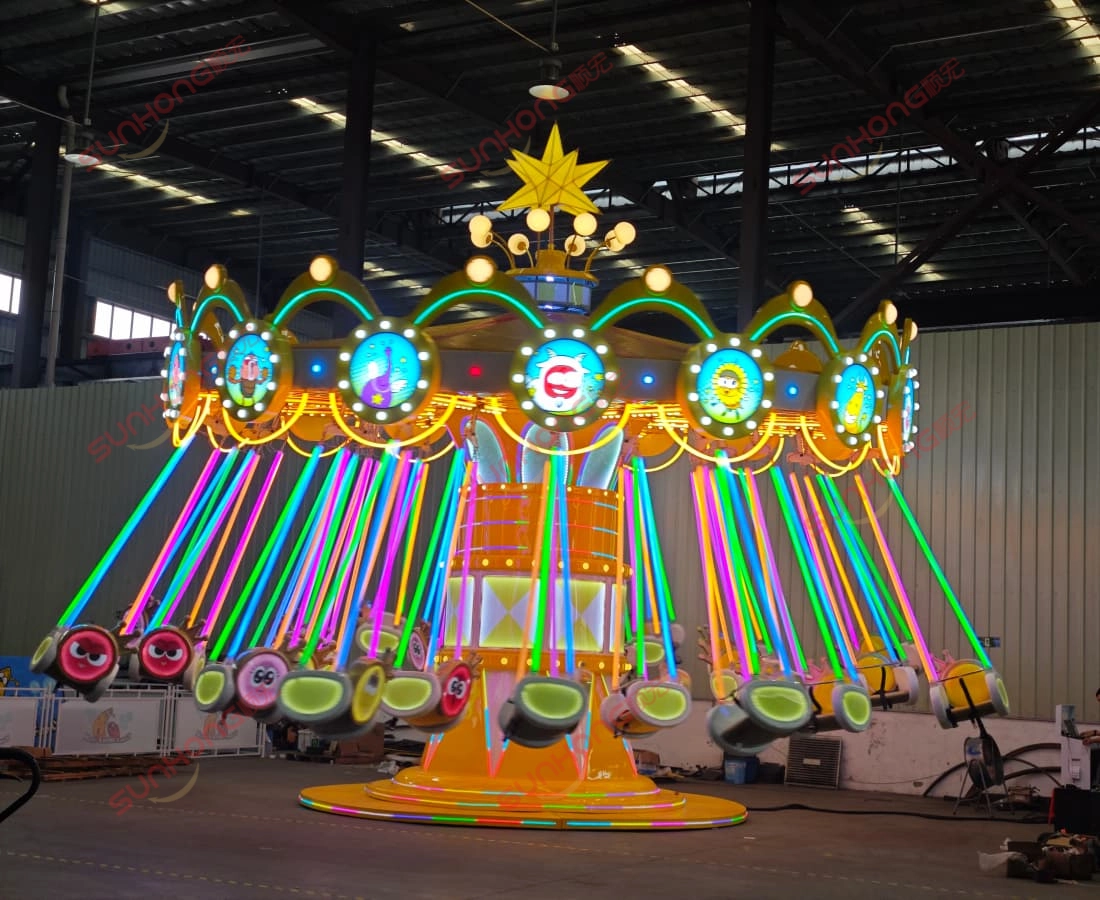
Larva Flying Chair Swing Ride – Thrilling Amusement Park Ride with Larva IP Theme
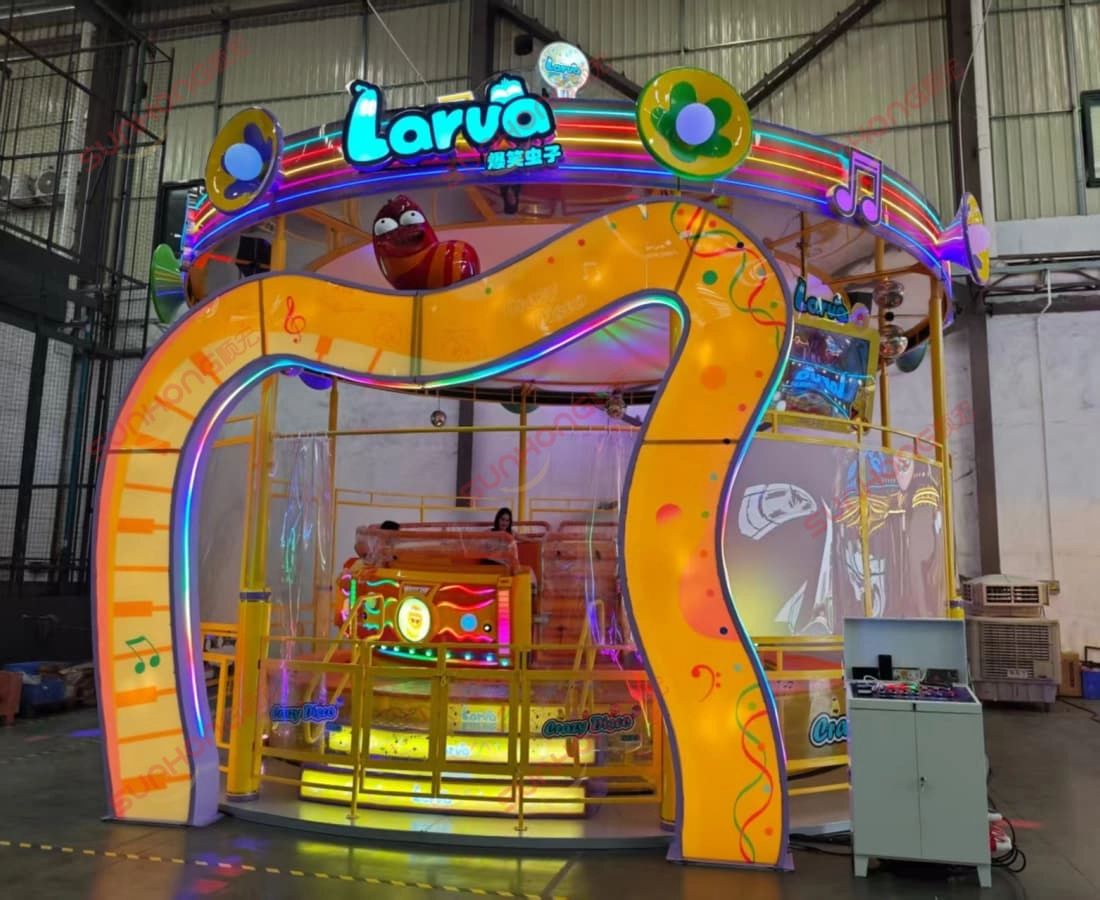
Larva Tagada Disco Ride – Thrilling Disco Amusement Park Ride with 2 Switchable Modes
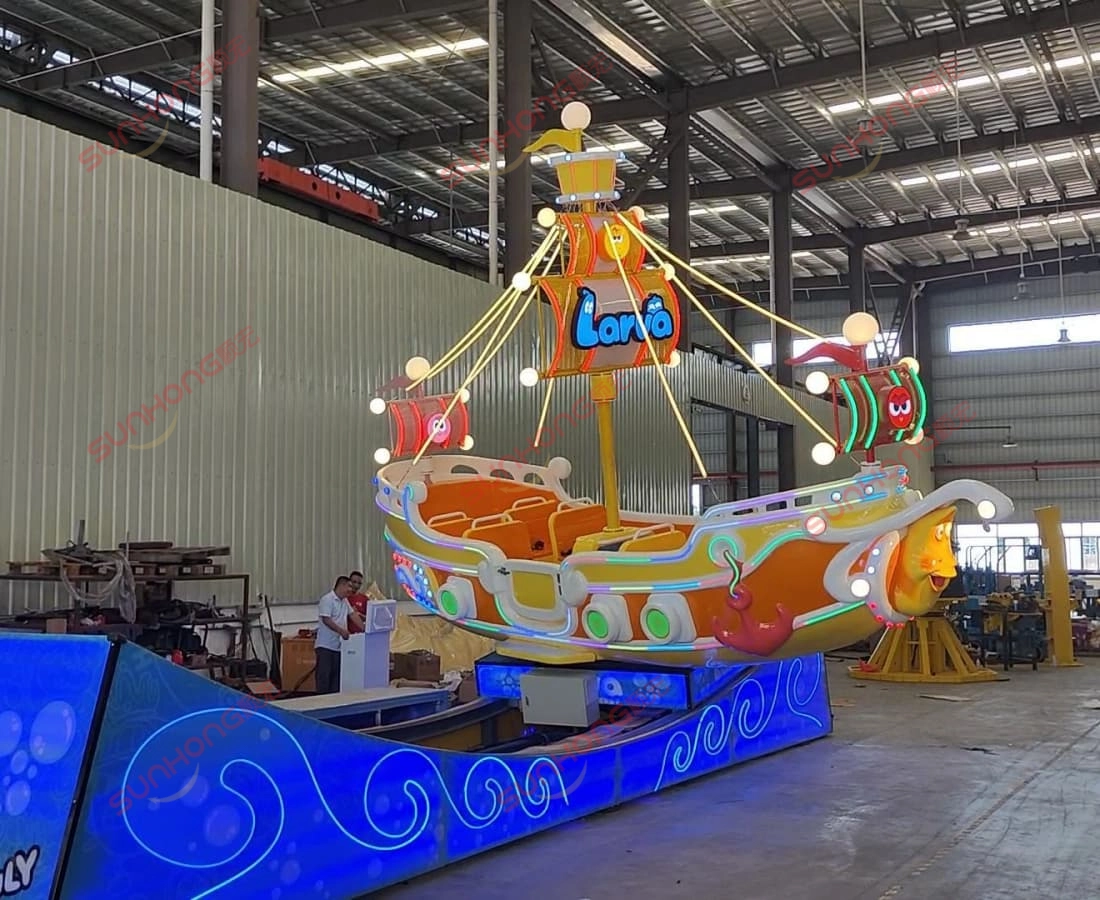
Larva Drifting-Swinging Pirate Ship Boat Amusement Ride with 360° Rotation
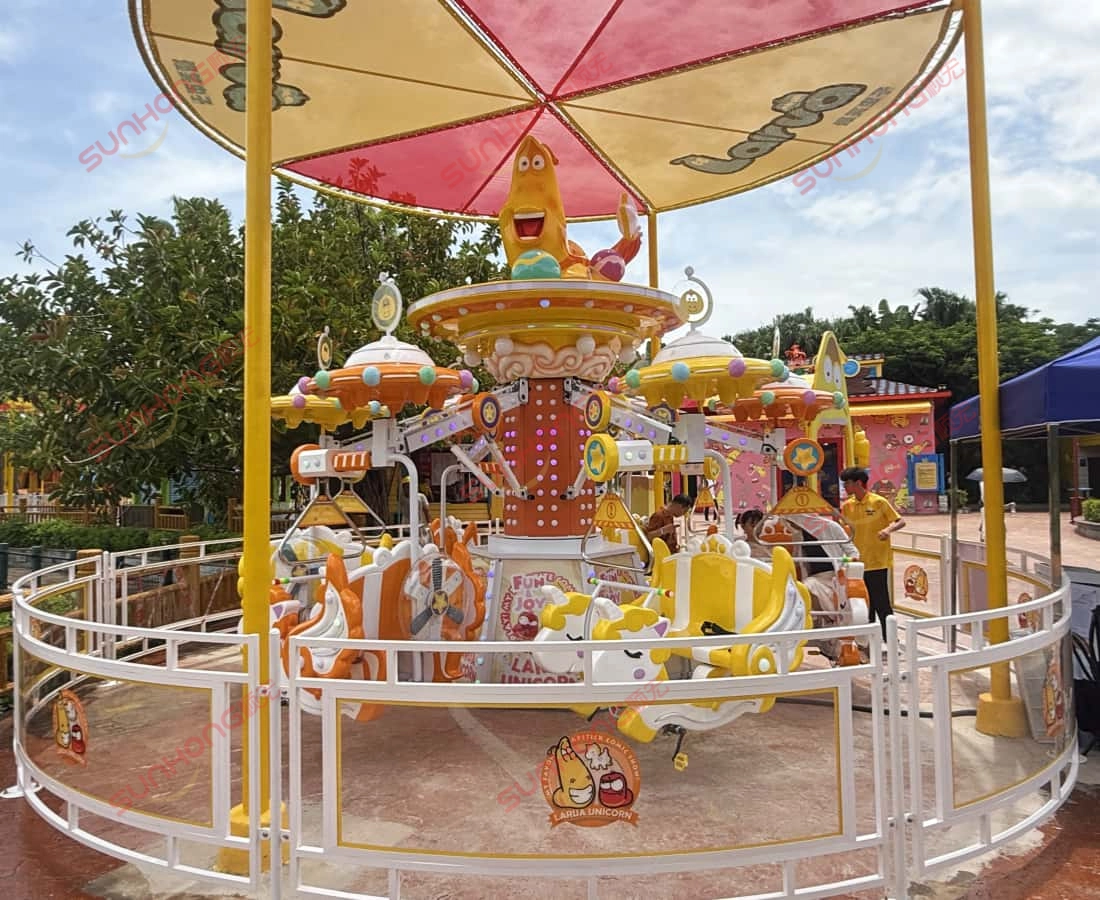
Larva Pedal Spin | Pedal-Controlled Amusement Ride with Unicorn Seats
Leave a message
Ready to elevate your amusement offerings?
Contact Sunhong today to explore how we can bring your vision to life and create unforgettable experiences for your visitors.
* Rest assured that your privacy is important to us, and all information provided will be handled with the utmost confidentiality.
Copyright © 2025 SUNHONG All Reserved.
Guangzhou Shunhong Entertainment Equipment Co.,Ltd.
sunhongrides
SUNHONGAMUSEMENTRIDES
sunhongamusementrides
Scan QR Code