
How much does an amusement ride cost to build? | Insights by SUNHONG
- Understanding the Costs of Building Amusement Park Rides: A Comprehensive Guide
- 1. What Are the Average Costs of Different Types of Amusement Park Rides?
- 2. What Additional Expenses Should Be Considered When Building Amusement Park Rides?
- 3. How Do Ride Costs Impact the Overall Budget of an Amusement Park?
- 4. What Are the Key Factors Influencing the Cost of Building Amusement Park Rides?
- 5. How Can I Optimize My Budget When Building Amusement Park Rides?
- 6. What Are the Potential Revenue Streams from Amusement Park Rides?
- 7. How Do Maintenance and Operational Costs Affect the Budget for Amusement Park Rides?
- 8. What Are the Risks and Challenges in Building Amusement Park Rides?
- Conclusion
Understanding the Costs of Building Amusement Park Rides: A Comprehensive Guide
Building an amusement park is a significant investment that requires careful planning and budgeting. One of the most substantial expenses is the construction of the rides themselves. In this guide, we'll explore the factors influencing the costs of building amusement park rides and provide insights to help you plan your investment effectively.
1. What Are the Average Costs of Different Types of Amusement Park Rides?
The cost of constructing an amusement park ride varies widely based on its type, size, complexity, and the technology involved. Here's a breakdown of average costs for various ride categories:
Small Family Rides: These include attractions like carousels, mini Ferris wheels, and kiddie roller coasters. The construction cost for these rides typically ranges from $30,000 to $120,000.
Medium-Sized Rides: Attractions such as larger Ferris wheels, spinning rides, and log flumes fall into this category. Their construction costs generally range from $50,000 to $300,000.
Large Thrill Rides and Roller Coasters: Signature attractions like steel roller coasters with loops and high-speed elements can cost between $500,000 and $5 million or more, depending on design and technology.
2. What Additional Expenses Should Be Considered When Building Amusement Park Rides?
Beyond the direct construction costs of the rides, several additional expenses must be accounted for:
Land Acquisition and Site Development: Purchasing and preparing the land can account for 10% to 25% of the total project budget. Costs vary significantly based on location and acreage.
Safety Compliance and Certification: Ensuring that rides meet safety standards and obtaining necessary certifications can add substantial costs to the project.
Theming and Landscaping: Creating immersive environments through theming and landscaping enhances the guest experience but also adds to the overall expenses.
Construction and Installation: This includes the physical construction of the rides, installation of safety systems, and any necessary infrastructure.
3. How Do Ride Costs Impact the Overall Budget of an Amusement Park?
Ride construction costs are a significant portion of the total investment in an amusement park. Here's a typical cost allocation model:
Land and Site Preparation: 10%–30% of the total budget
Ride and Attraction Procurement: 25%–45% of the total budget
Buildings and Infrastructure: 10%–25% of the total budget
Theming, Landscaping, and Guest Experience: 5%–20% of the total budget
Soft Costs (Design, Consulting, Permits, Legal, Financing): 8%–18% of the total budget
Logistics, Installation, and Testing: 3%–8% of the total budget
Pre-Opening and Marketing: 2%–5% of the total budget
Contingency Reserve: 8%–15% of the total budget
This allocation ensures that all aspects of the park's development are adequately funded.
4. What Are the Key Factors Influencing the Cost of Building Amusement Park Rides?
Several factors can influence the cost of constructing amusement park rides:
Ride Complexity and Design: More intricate designs and advanced technology increase costs.
Materials Used: The choice of materials, such as steel versus wood, affects both cost and durability.
Customization: Tailoring rides to fit a specific theme or brand can add to the expense.
Safety Features: Incorporating advanced safety systems and meeting regulatory standards can increase costs.
Installation and Testing: The complexity of installation and the thoroughness of testing procedures impact the overall cost.
5. How Can I Optimize My Budget When Building Amusement Park Rides?
To effectively manage your budget:
Conduct a Feasibility Study: Understand your target market and plan attractions accordingly.
Prioritize High-Impact Attractions: Invest in rides that offer the best return on investment.
Consider Phased Development: Start with a core set of attractions and expand over time.
Source Quality Equipment: Investing in durable rides reduces long-term maintenance costs.
Plan for Contingencies: Allocate funds for unexpected expenses to avoid budget overruns.
6. What Are the Potential Revenue Streams from Amusement Park Rides?
Amusement park rides contribute to revenue through:
Ticket Sales: Entry fees and pay-per-ride options.
Food and Beverage Sales: Concessions and dining facilities.
Merchandise Sales: Souvenirs and branded products.
Special Events: Hosting events and promotions to attract visitors.
Understanding these revenue streams helps in projecting profitability and planning for financial sustainability.
7. How Do Maintenance and Operational Costs Affect the Budget for Amusement Park Rides?
Maintenance and operational costs are ongoing expenses that impact the park's profitability:
Maintenance: Regular upkeep of rides to ensure safety and functionality.
Staffing: Hiring and training personnel to operate and maintain rides.
Utilities: Costs associated with powering and operating rides.
Insurance: Coverage for liability and property damage.
These costs should be factored into the overall budget to ensure the park's financial health.
8. What Are the Risks and Challenges in Building Amusement Park Rides?
Potential risks include:
Regulatory Compliance: Ensuring all rides meet safety and legal standards.
Market Demand: Misjudging the popularity of certain attractions.
Budget Overruns: Underestimating costs leading to financial strain.
Operational Challenges: Managing staffing, maintenance, and guest satisfaction.
Mitigating these risks involves thorough planning, market research, and contingency budgeting.
Conclusion
Building amusement park rides is a complex and costly endeavor that requires meticulous planning and budgeting. By understanding the various factors that influence costs and implementing strategic planning, you can create a successful and profitable amusement park. Partnering with experienced manufacturers like SUNHONG can provide valuable expertise and support throughout the development process, ensuring that your investment yields long-term success.
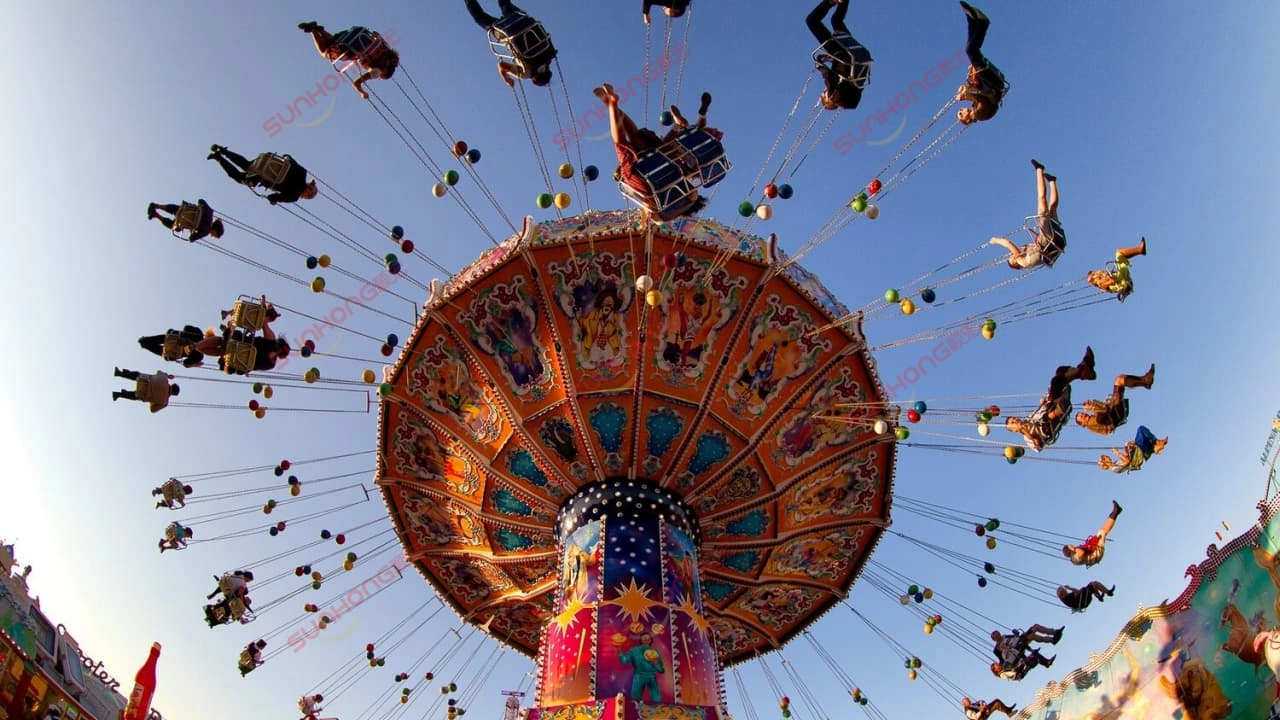
The Most Popular and Common Amusement Park Rides: A Complete Guide
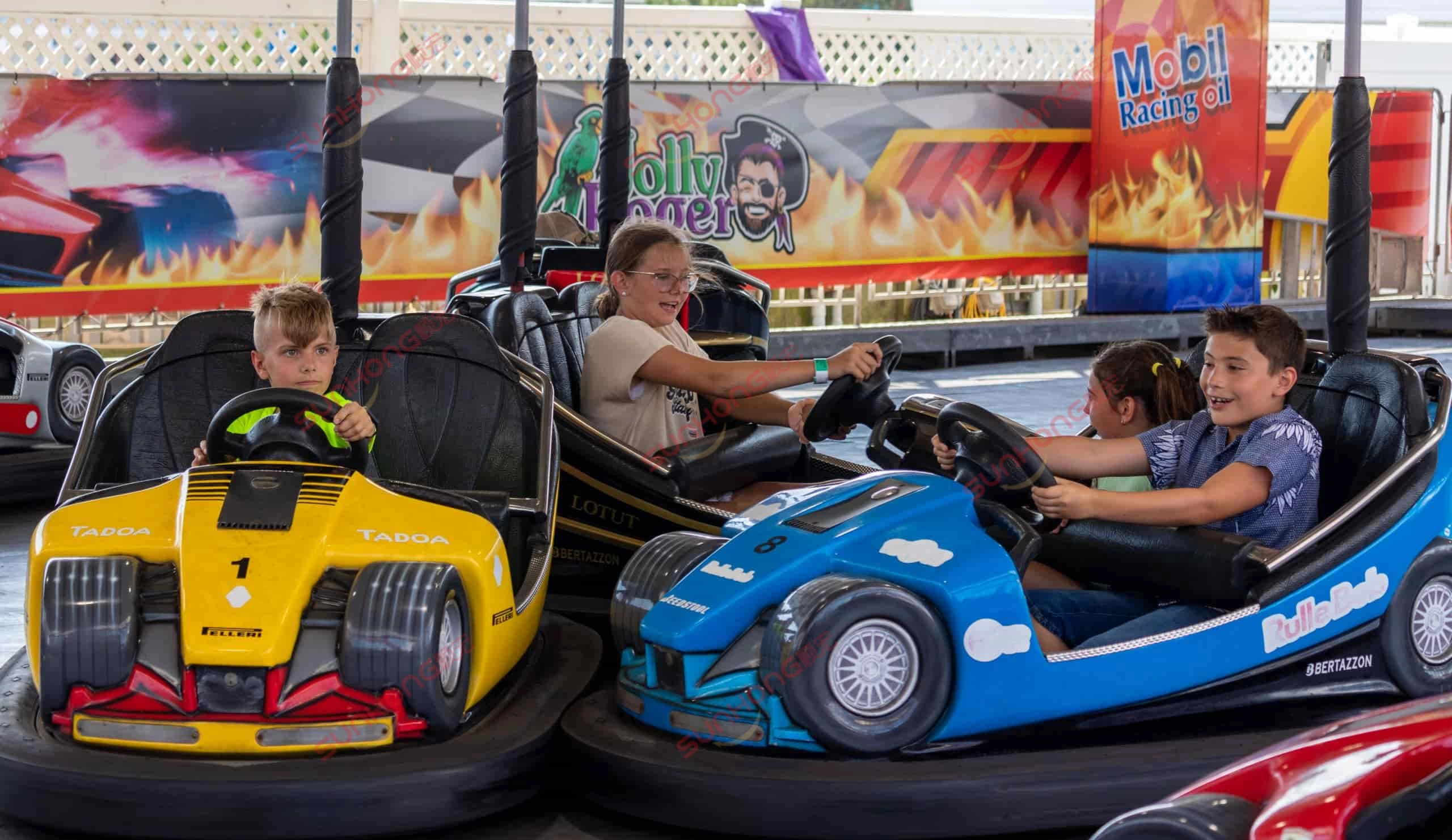
Bumper Cars (Dodgems) Explained: Types, Costs & How to Choose the Best Ones
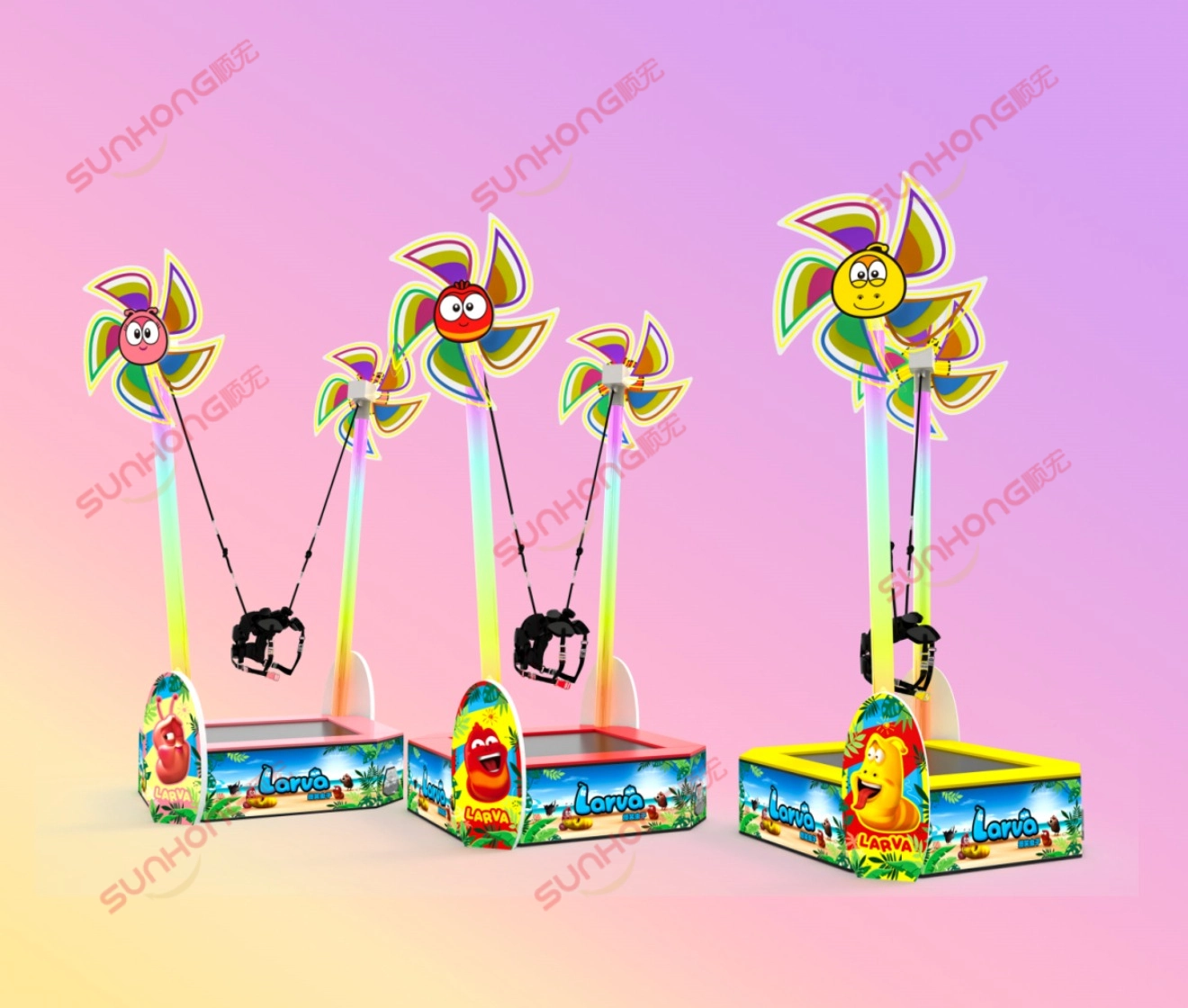
Trampolines: The Amusement Ride That Turns Jumps Into Pure Joy
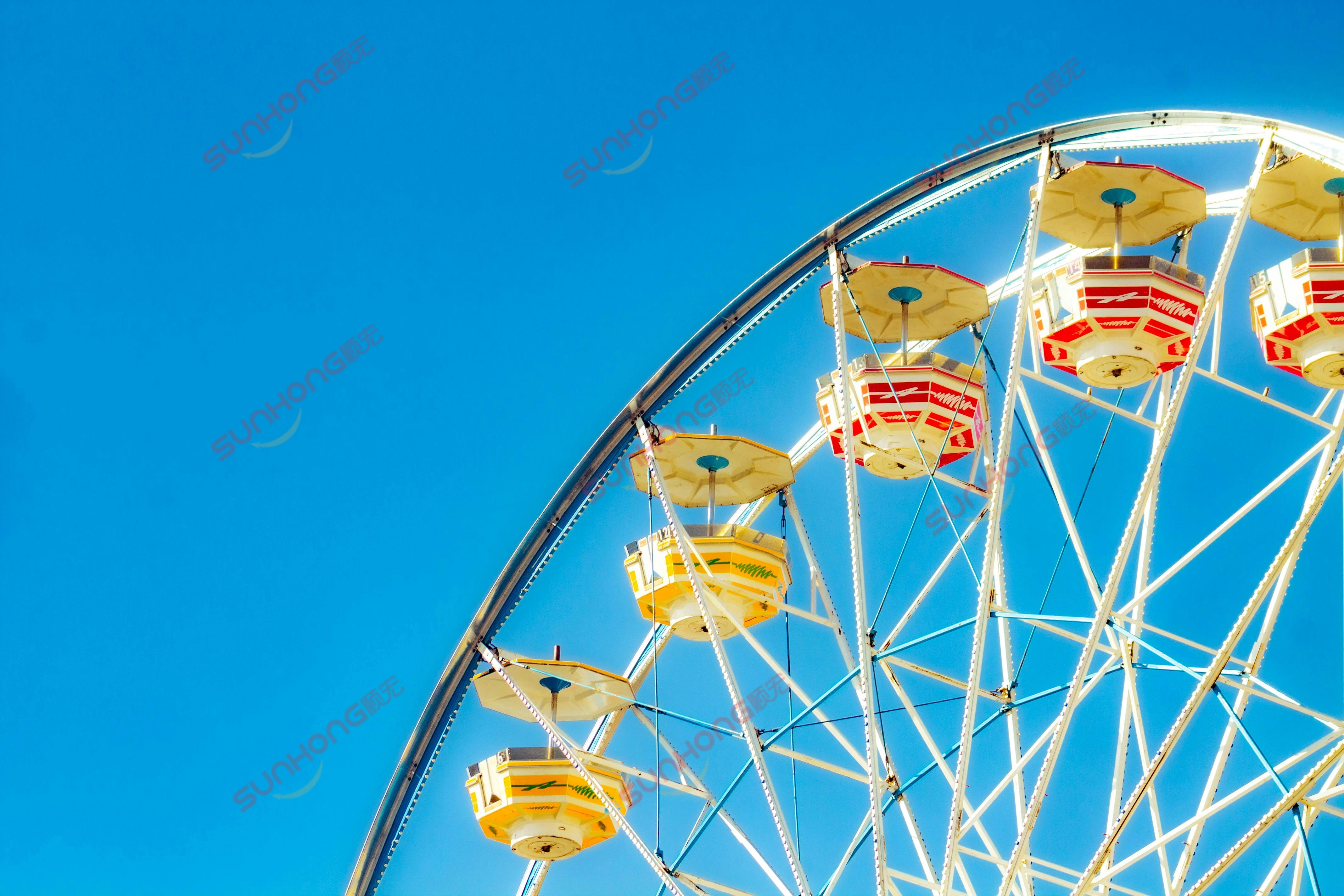
Why Ferris Wheels Remain the Star Attraction in Amusement Parks
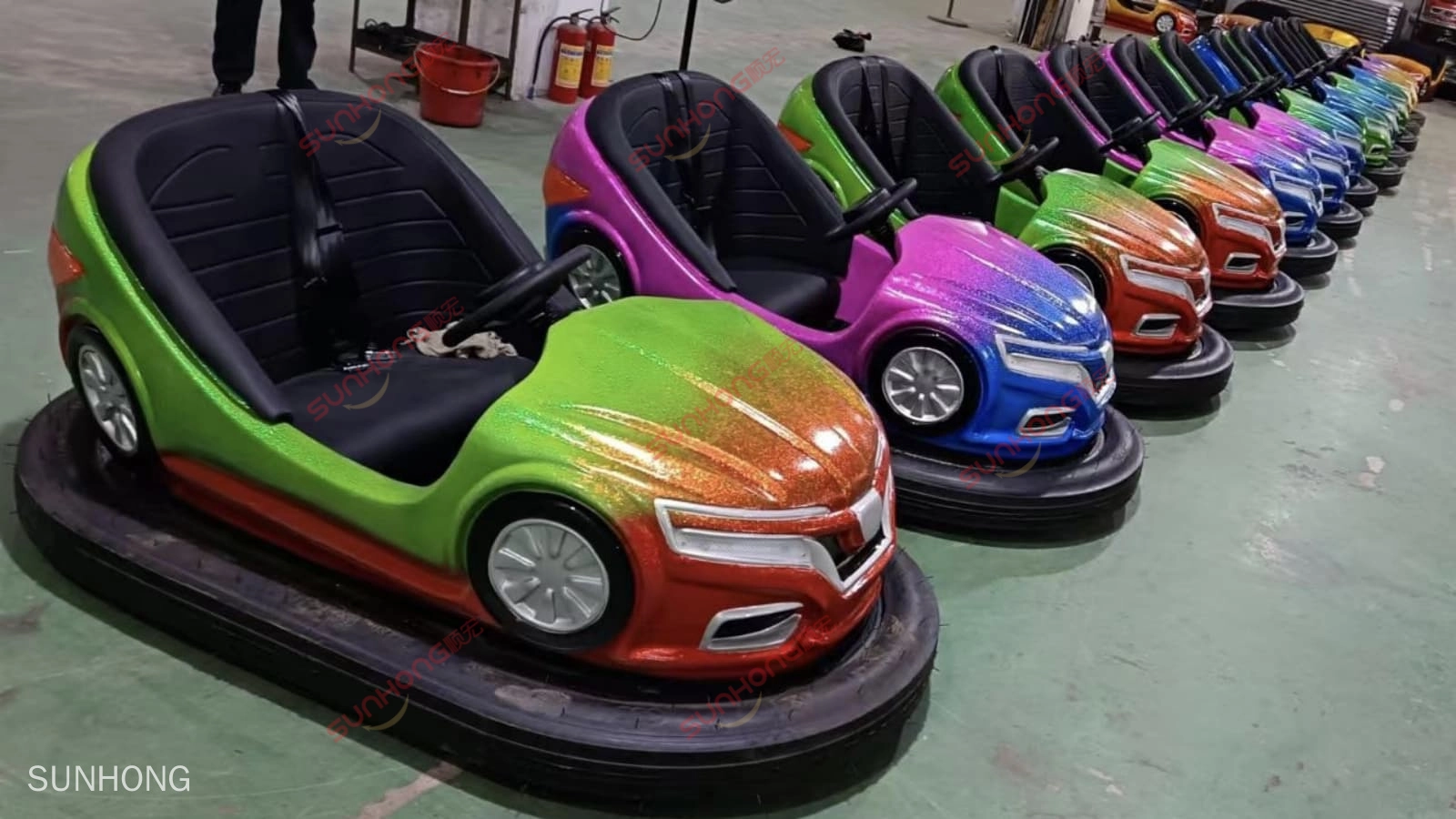
Amusement Park Bumper Cars: The Ride That Turns Crashes Into Laughter
36P Knight Sparta
Can I customize the appearance of the carousel?
Yes, SUNHONG provides you with customized services such as the theme, color, seat shape, and decoration style of the carousel. SUNHONGD's design engineers can create a carousel with exclusive IP or brand according to the overall design of the amusement park to increase the attraction and flow of people in the amusement park.
Golden Year Carousel
Why should I invest in a carousel for my amusement park?
Carousels are important attractions in amusement parks. Many visitors consider carousels to be a must-have item in an amusement park, as they are gentler than those exciting rides, making them especially popular with children and family visitors. Carousels are a key factor in attracting visitors. SUNHONG carousels are available in configurations ranging from 8 to 54 seats, and you can make the best choice based on visitor traffic and budget to ensure the best return on investment.
中小型游乐设备方案推荐
✔ Flexible Rides Customization:
Custom designs for ride shapes, colors, and IP themes.
Time Jump
Do you offer different Time Jump styles (classic, space, jungle, etc.)?
Yes, we offer multiple design styles for Time Jump, including classic carnival, space adventure, jungle explorer, and more. Each version can be tailored to fit your park's theme and target age group.
12P Knight Sparta
What certifications are required for carousels?
SUNHONG carousels have the following certifications: CE, UL, and ISO 9001 Quality Management System. These certifications ensure that the carousels meet relevant safety and quality standards and ensure the safety of visitors.
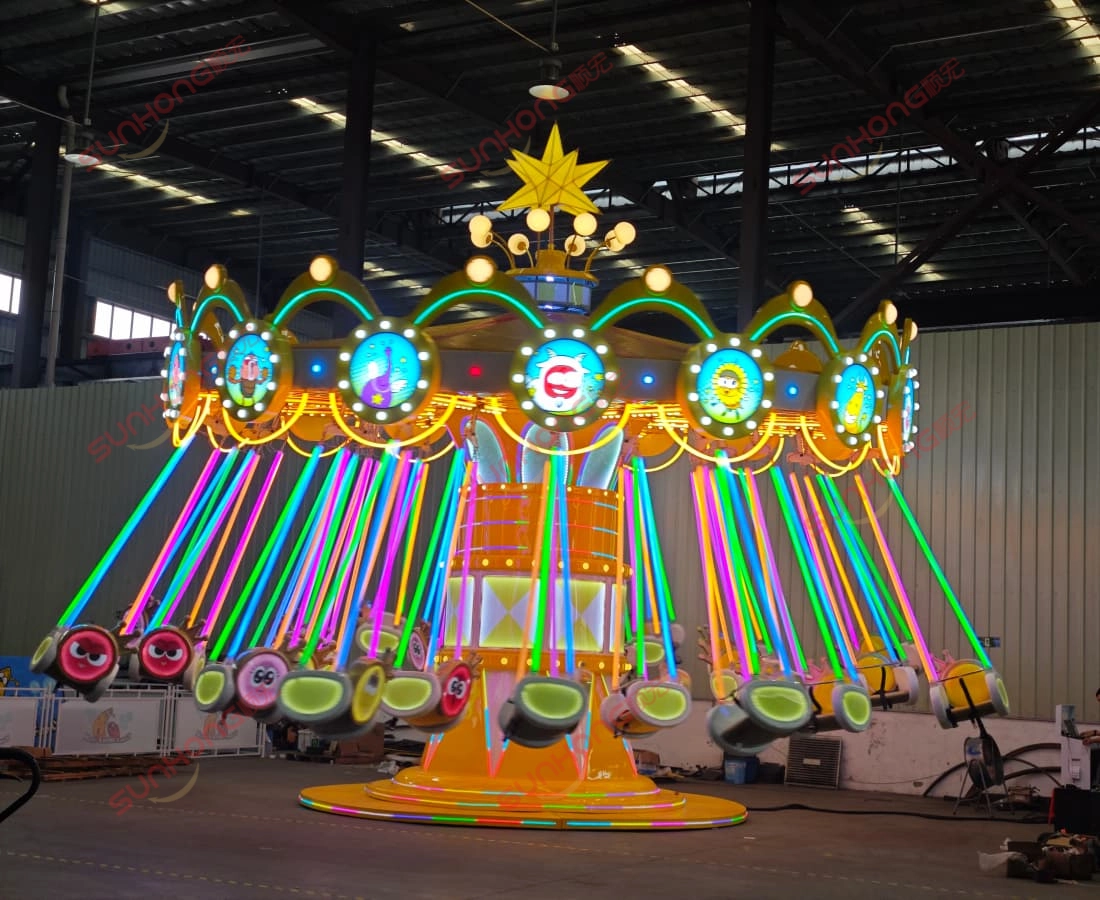
Larva Flying Chair Swing Ride – Thrilling Amusement Park Ride with Larva IP Theme
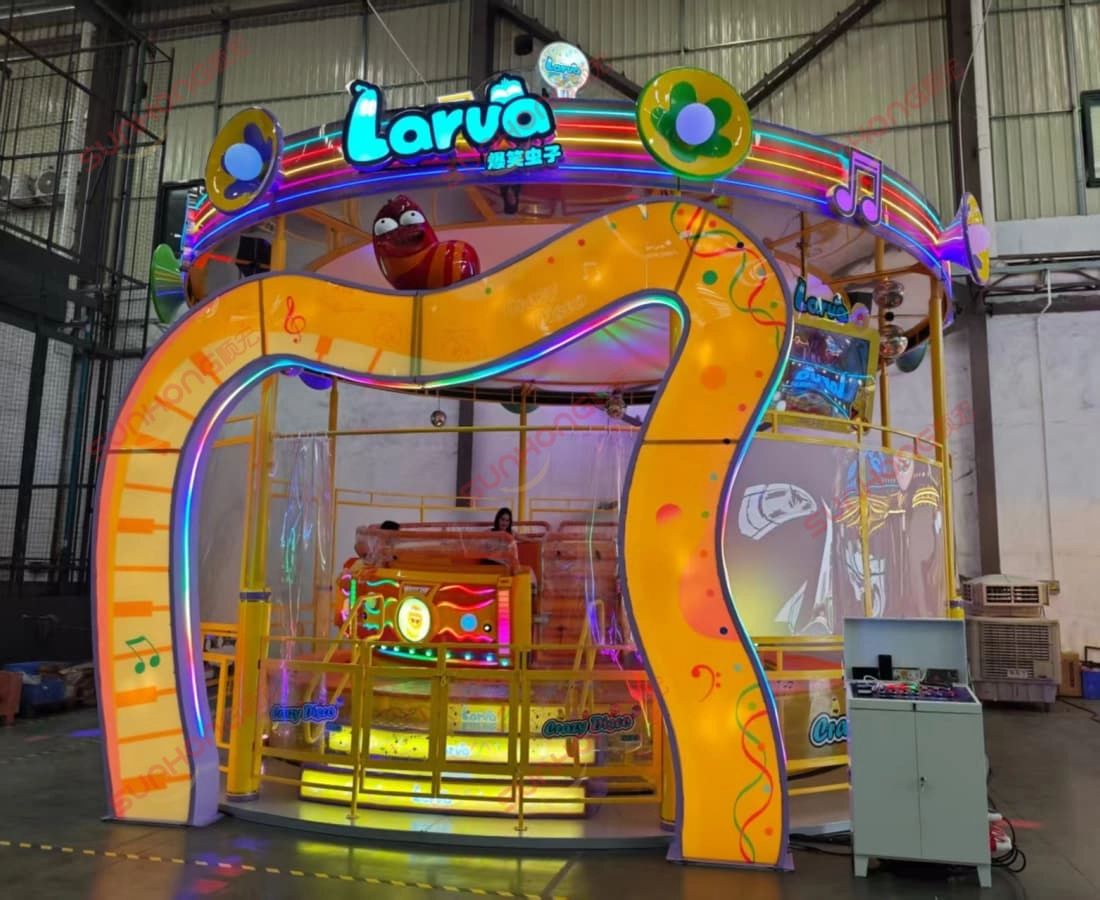
Larva Tagada Disco Ride – Thrilling Disco Amusement Park Ride with 2 Switchable Modes
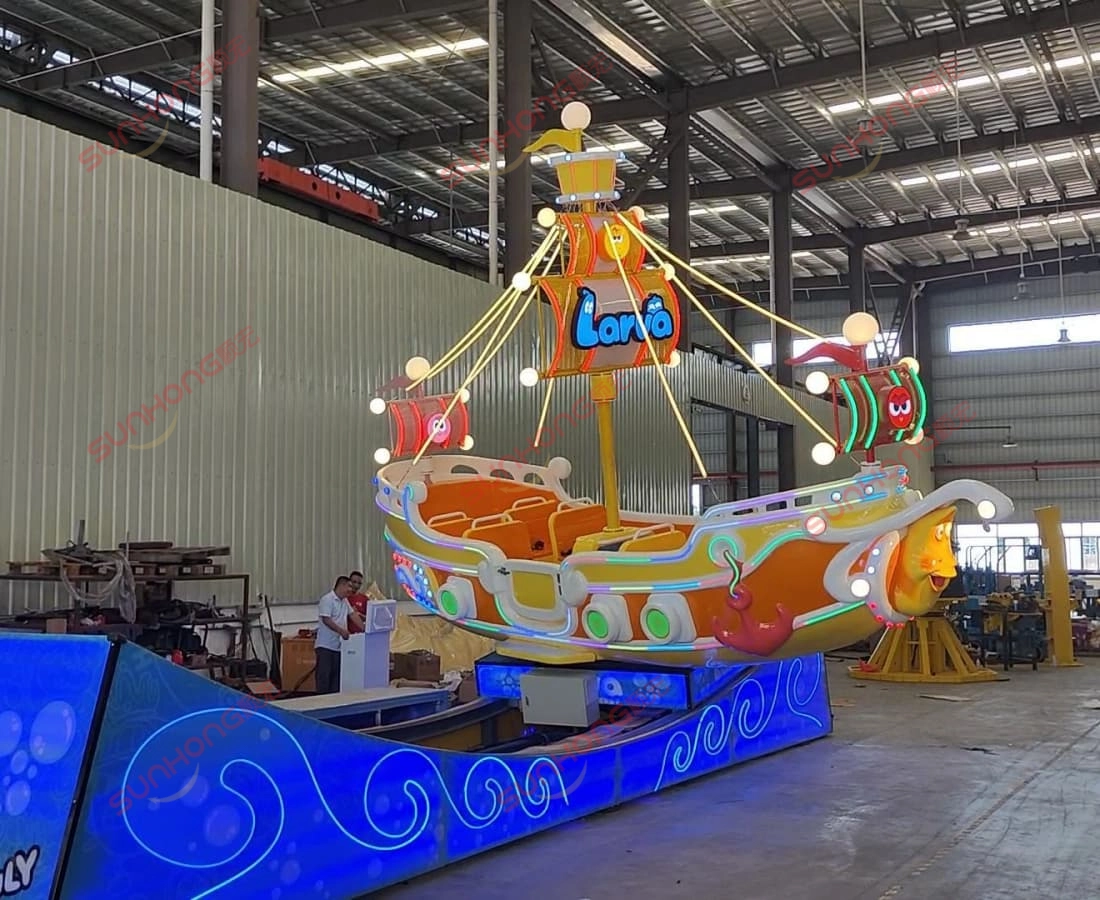
Larva Drifting-Swinging Pirate Ship Boat Amusement Ride with 360° Rotation
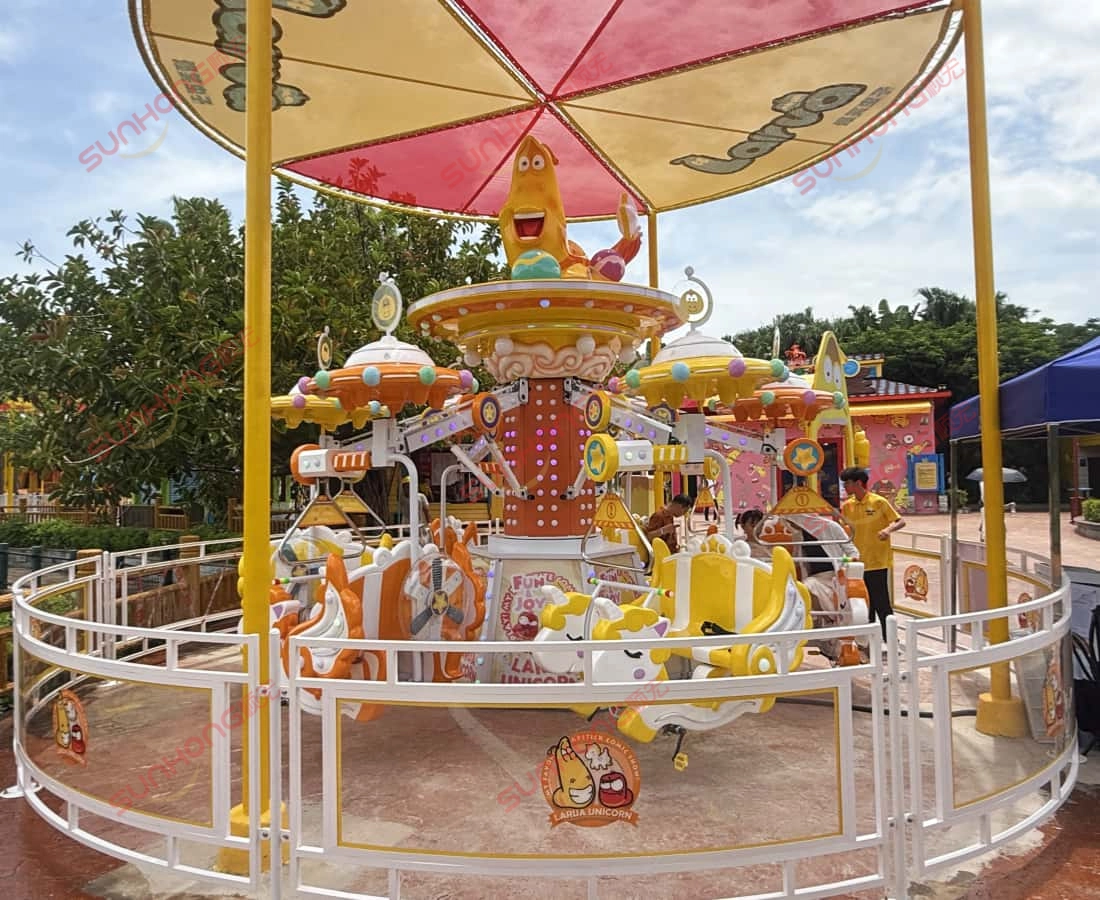
Larva Pedal Spin | Pedal-Controlled Amusement Ride with Unicorn Seats
Leave a message
Ready to elevate your amusement offerings?
Contact Sunhong today to explore how we can bring your vision to life and create unforgettable experiences for your visitors.
* Rest assured that your privacy is important to us, and all information provided will be handled with the utmost confidentiality.
Copyright © 2025 SUNHONG All Reserved.
Guangzhou Shunhong Entertainment Equipment Co.,Ltd.
sunhongrides
SUNHONGAMUSEMENTRIDES
sunhongamusementrides
Scan QR Code