
how much does maintenance on roller coasters cost | SUNHONG Guide
- How Much Does Roller Coaster Maintenance Really Cost?
- What are the average annual maintenance costs for a roller coaster?
- What are the main cost drivers in roller coaster maintenance?
- How does the type of roller coaster affect maintenance costs (wood vs. steel)?
- What happens if roller coaster maintenance is neglected?
- How can parks optimize their roller coaster maintenance costs?
How Much Does Roller Coaster Maintenance Really Cost?
Maintaining a roller coaster is a complex and costly undertaking, essential for ensuring rider safety and extending the lifespan of the ride. The cost can vary widely, influenced by factors like the coaster's size, type (wood or steel), age, complexity, and the intensity of its operation. Understanding these costs involves examining various components and maintenance procedures.
What are the average annual maintenance costs for a roller coaster?
While it's difficult to pinpoint an exact average, industry experts estimate that annual maintenance costs for a roller coaster can range from hundreds of thousands to over a million dollars. A smaller, simpler coaster might cost around $200,000 - $500,000 per year, while a large, complex ride could easily exceed $1,000,000. This includes labor, parts, inspections, and preventative maintenance.
What are the main cost drivers in roller coaster maintenance?
Several factors contribute significantly to the overall maintenance expenses:
- Inspections: Regular inspections are crucial. Non-destructive testing (NDT) methods, such as ultrasonic testing and magnetic particle inspection, are employed to detect cracks and weaknesses in critical components like tracks, trains, and support structures. These inspections can cost tens of thousands of dollars annually.
- Parts Replacement: Roller coaster parts, especially for older or custom-designed rides, can be expensive and difficult to source. Wheels, bearings, sensors, and braking systems require frequent replacement due to wear and tear. The cost of these parts can be substantial.
- Labor: Skilled maintenance personnel are needed to perform inspections, repairs, and preventative maintenance. This includes mechanical engineers, electricians, welders, and ride technicians. Labor costs constitute a significant portion of the overall maintenance budget.
- Preventative Maintenance: Regular lubrication, cleaning, and adjustments are essential to prevent major breakdowns and extend the lifespan of the ride. These activities, while seemingly minor, require time and resources.
- Train Refurbishment: Roller coaster trains undergo significant stress and require periodic refurbishment. This involves replacing seats, restraints, and other components. Train refurbishment can cost hundreds of thousands of dollars, depending on the size and complexity of the train.
How does the type of roller coaster affect maintenance costs (wood vs. steel)?
- Wooden Coasters: Wooden coasters generally require more frequent maintenance than steel coasters. Wood is susceptible to rot, warping, and cracking, necessitating regular inspections, repairs, and replacement of wooden components. Track re-tracking is a common and costly maintenance item for wooden coasters.
- Steel Coasters: Steel coasters, while generally more durable, still require rigorous maintenance. Welding inspections, bolt tightening, and corrosion control are crucial. The complexity of modern steel coasters, with their inversions and intricate track layouts, can also increase maintenance costs.
What happens if roller coaster maintenance is neglected?
Neglecting roller coaster maintenance can have severe consequences:
- Increased Risk of Accidents: Deferred maintenance can lead to component failures, increasing the risk of accidents and injuries.
- Ride Downtime: Lack of maintenance can result in unexpected breakdowns and extended periods of downtime, impacting park revenue and guest satisfaction.
- Higher Repair Costs in the Long Run: Addressing minor issues promptly can prevent them from escalating into major, more costly repairs.
- Reduced Lifespan of the Ride: Neglecting maintenance can shorten the overall lifespan of the roller coaster, requiring premature replacement.
How can parks optimize their roller coaster maintenance costs?
- Implement a robust preventative maintenance program: Regular inspections, lubrication, and adjustments can help prevent major breakdowns and extend the lifespan of components.
- Utilize condition monitoring technologies: Sensors and data analytics can be used to monitor the condition of critical components and identify potential problems early on.
- Invest in training for maintenance personnel: Properly trained personnel are better equipped to perform inspections, repairs, and preventative maintenance effectively.
- Maintain detailed maintenance records: Tracking maintenance activities and costs can help identify trends and optimize maintenance schedules.
- Establish strong relationships with parts suppliers: Negotiating favorable pricing and ensuring timely availability of parts can help control maintenance costs.
In conclusion, roller coaster maintenance is a significant expense for amusement parks, but it is a necessary investment to ensure rider safety and the long-term viability of these thrilling attractions. Proper maintenance requires a commitment to rigorous inspections, preventative maintenance, and skilled personnel. By prioritizing maintenance, parks can minimize downtime, control costs, and provide a safe and enjoyable experience for their guests.
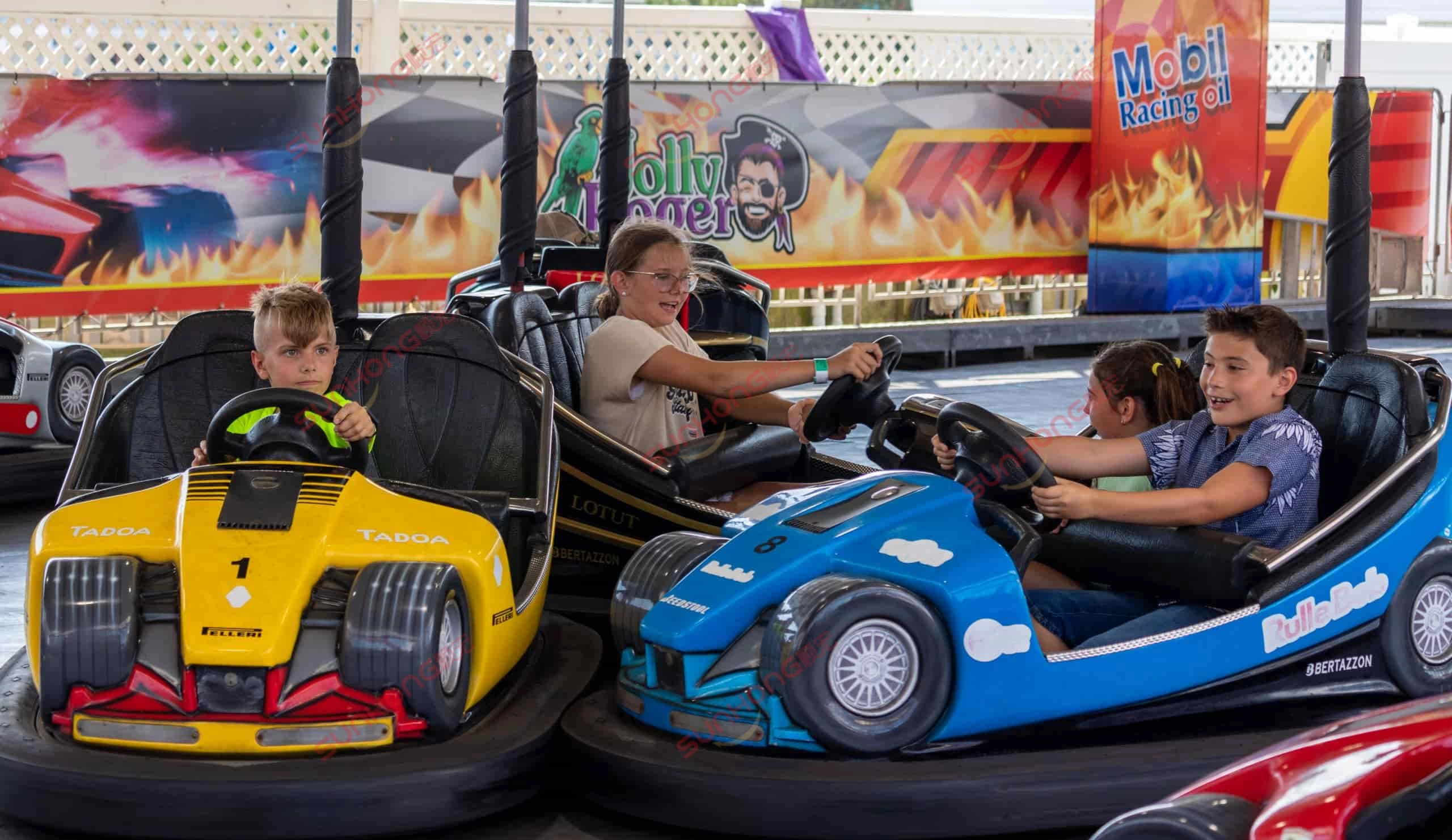
Bumper Cars (Dodgems) Explained: Types, Costs & How to Choose the Best Ones
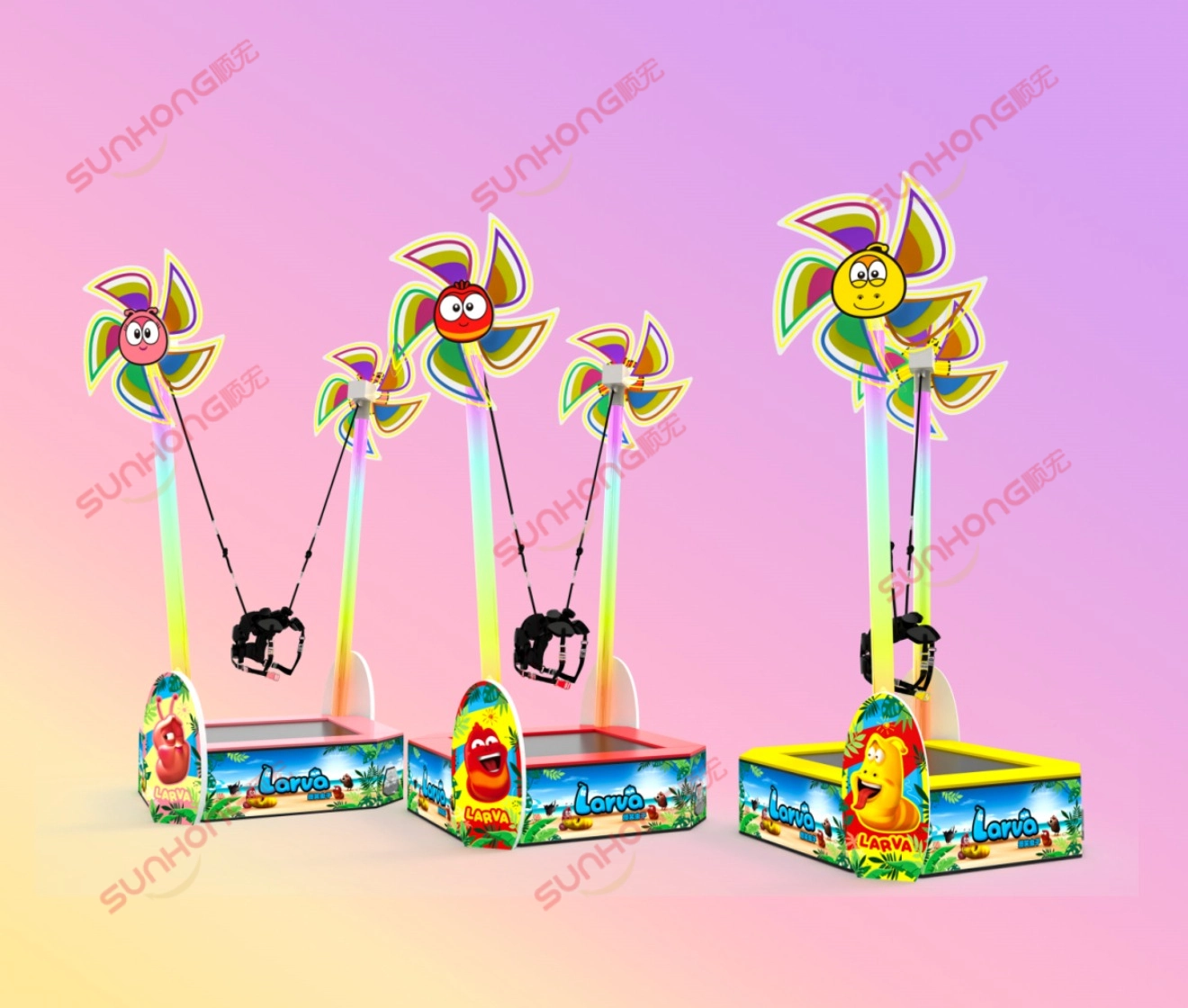
Trampolines: The Amusement Ride That Turns Jumps Into Pure Joy
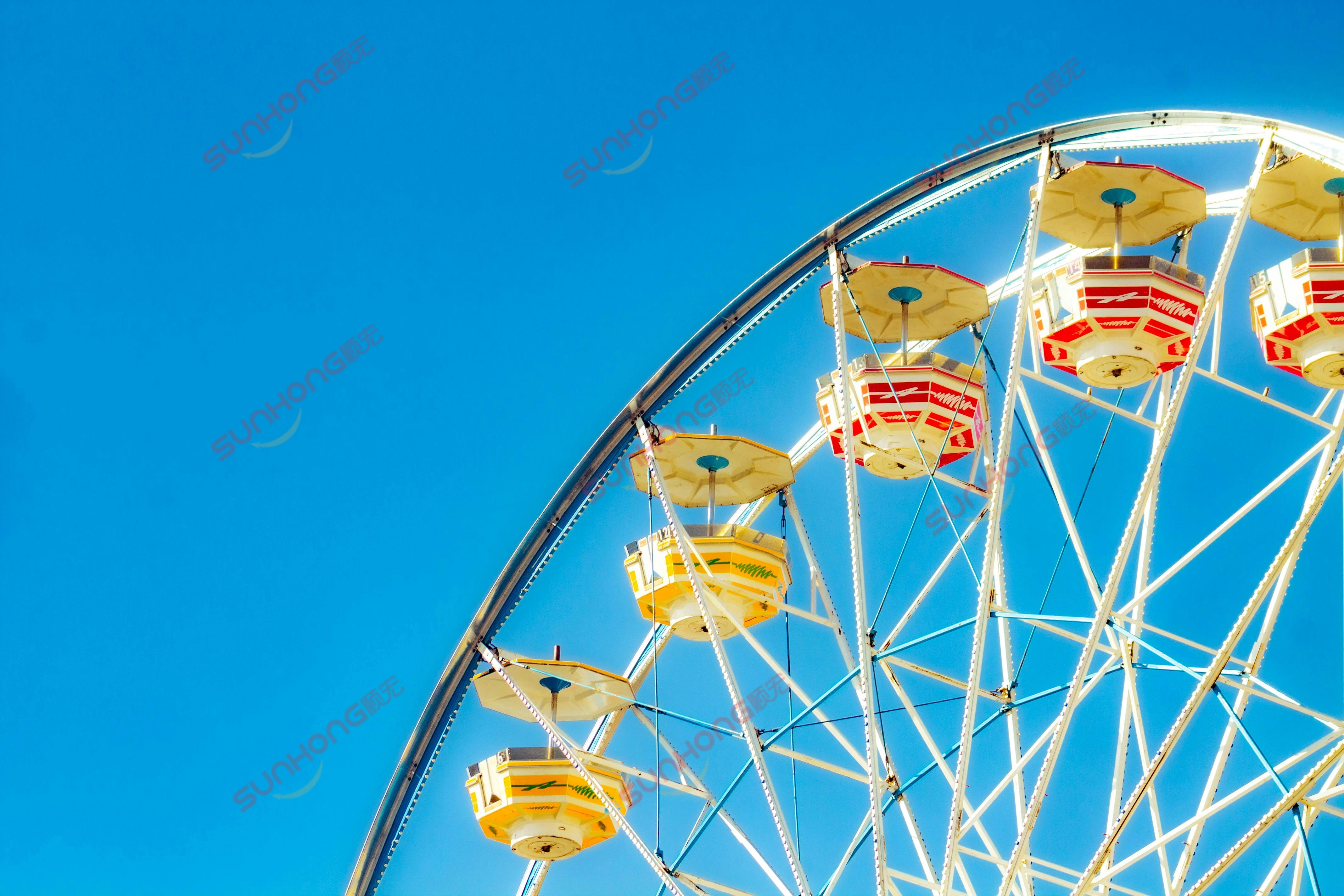
Why Ferris Wheels Remain the Star Attraction in Amusement Parks
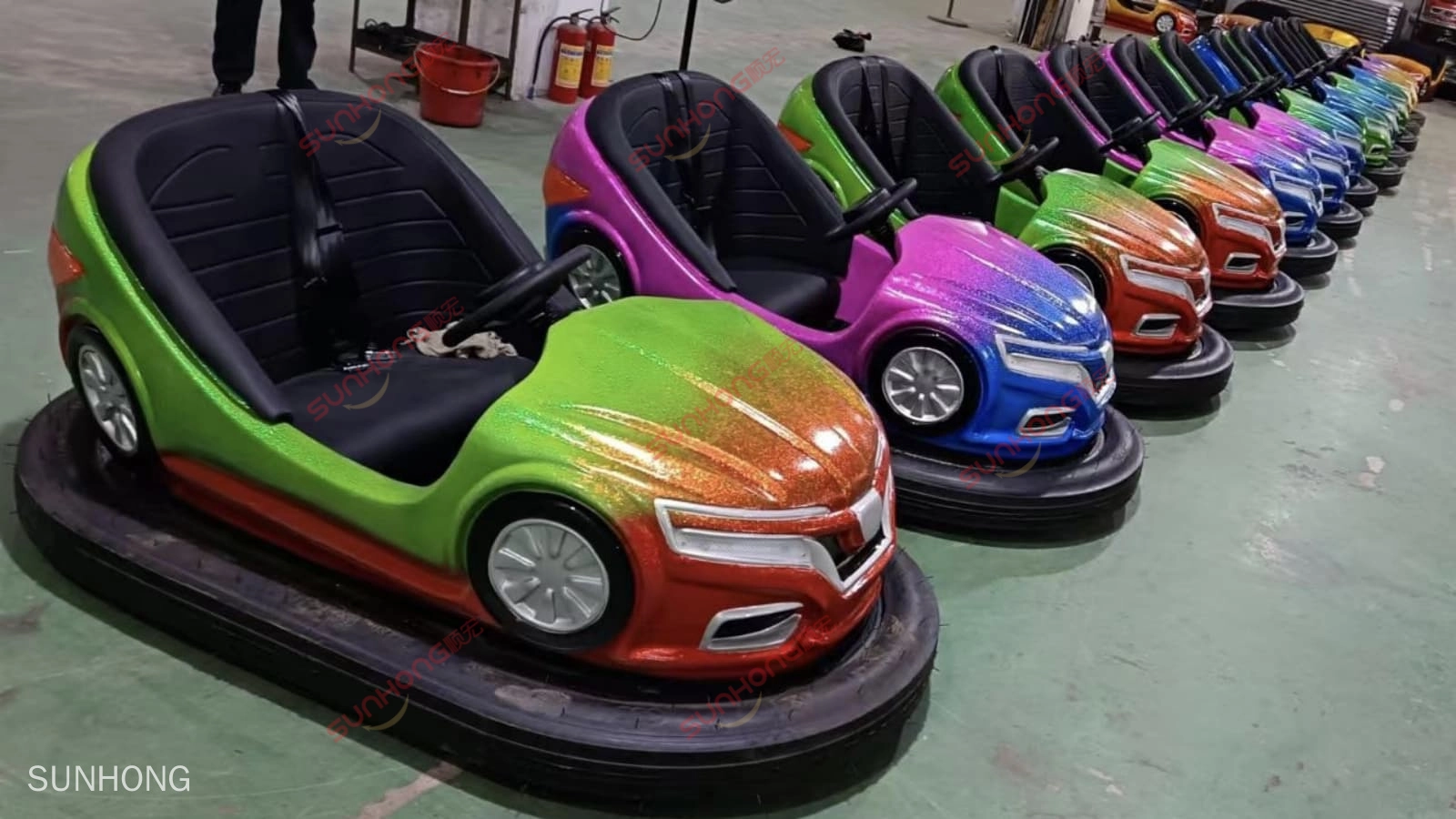
Amusement Park Bumper Cars: The Ride That Turns Crashes Into Laughter
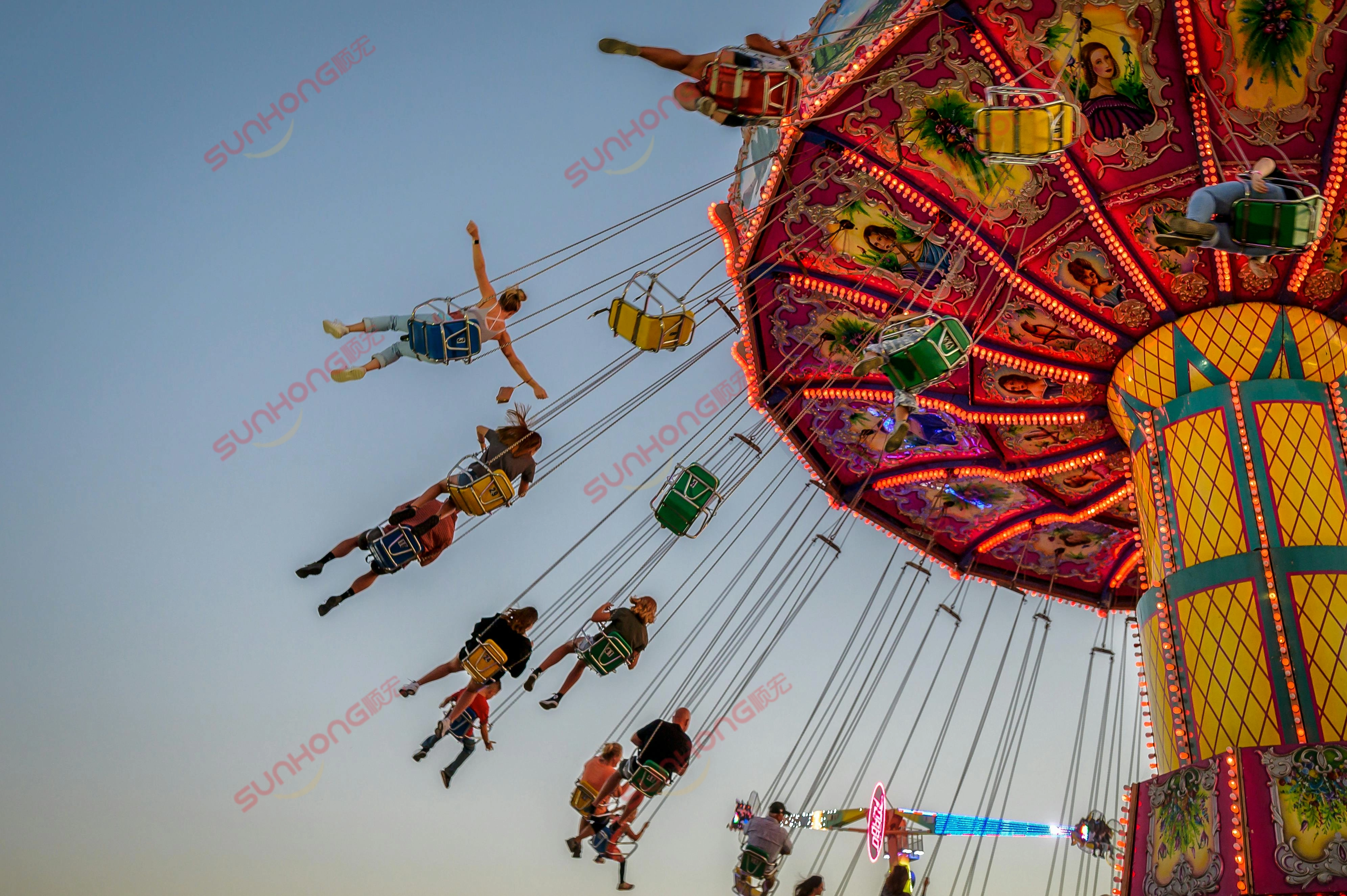
Take a Spin on Flying Chair Rides: A Timeless Park Favorite
products
How do you handle emergency repairs and support?
Our after-sale department offer 7 days 24 hours emergency support and repair services to address any issues promptly.
Home页
What support do you offer after installation?
We provide free installation services along with comprehensive after-sales guidance, including maintenance training, operational consulting, and on-site support to ensure your park operates smoothly and safely.
14P Marvelous Circus
How many seats does the carousel have?
This carousel model offers 16 to 36 seats. SUNHONG engineers will recommend the best configuration based on available space and daily visitor flow.
12P Knight Sparta
Why should I invest in a carousel for my park?
A carousel is an important symbol of a theme park. Many visitors consider a carousel a must-have, as it is gentler than a roller coaster and is therefore especially popular with children and families. Carousels have a significant impact on the attendance of a theme park.
SUNHONG carousels offer seats from 8 to 54. Make the best choice based on the number of passengers and your budget to maximize your return on investment.
8-Seat Dream Carousel Merry-Go-Round for Sale
What certifications are required for the carousel?
The following certifications are held by SUNHONG's carousel: CE, UL, and ISO9001 Quality Management System certification. These certifications ensure that the carousel meets the relevant safety and quality standards, ensuring the safety of the visitors.
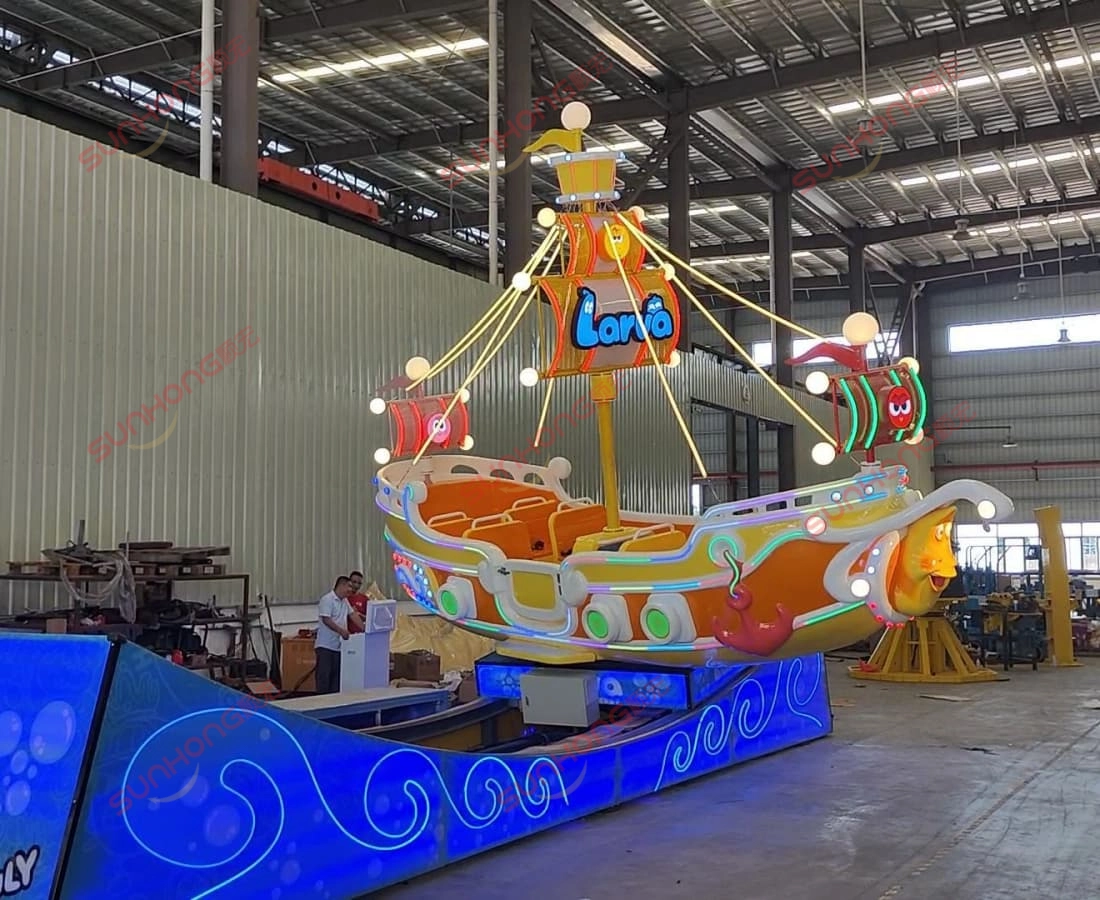
Larva Drifting-Swinging Pirate Ship Boat Amusement Ride with 360° Rotation
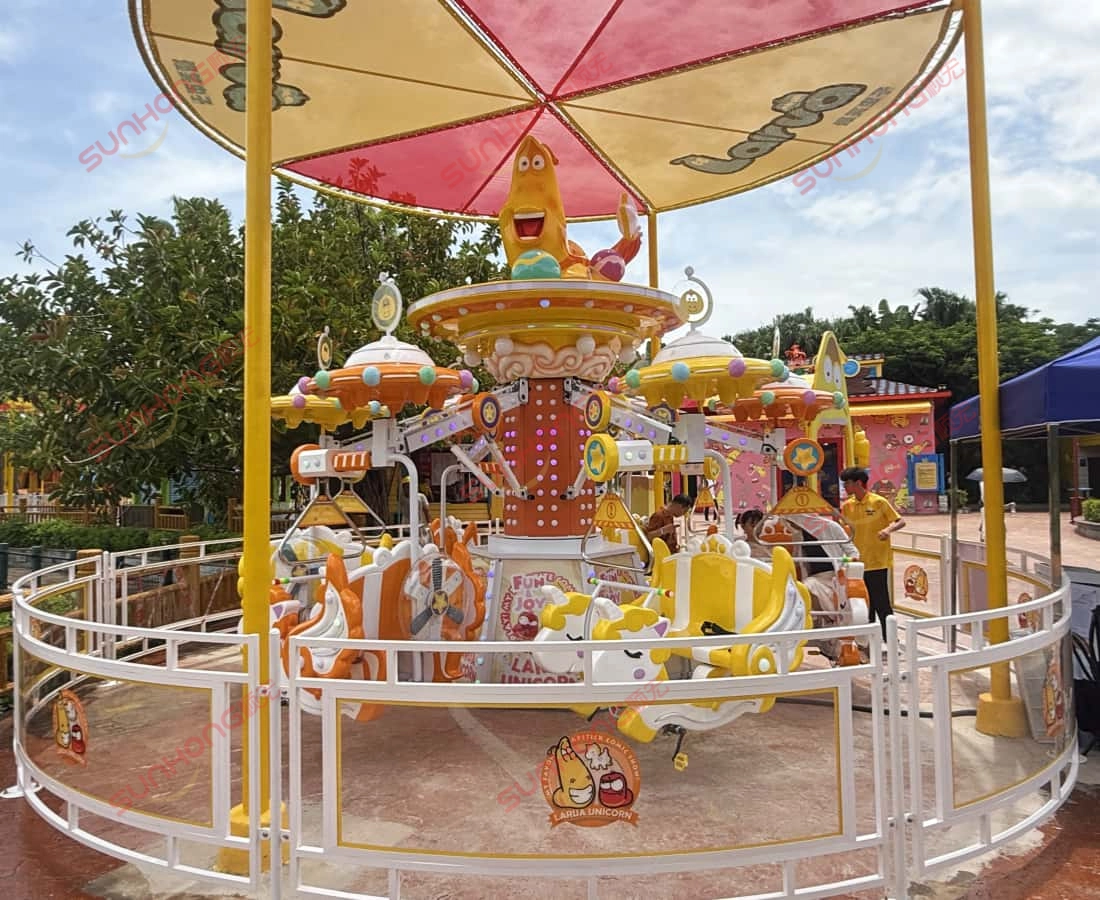
Larva Pedal Spin | Pedal-Controlled Amusement Ride with Unicorn Seats
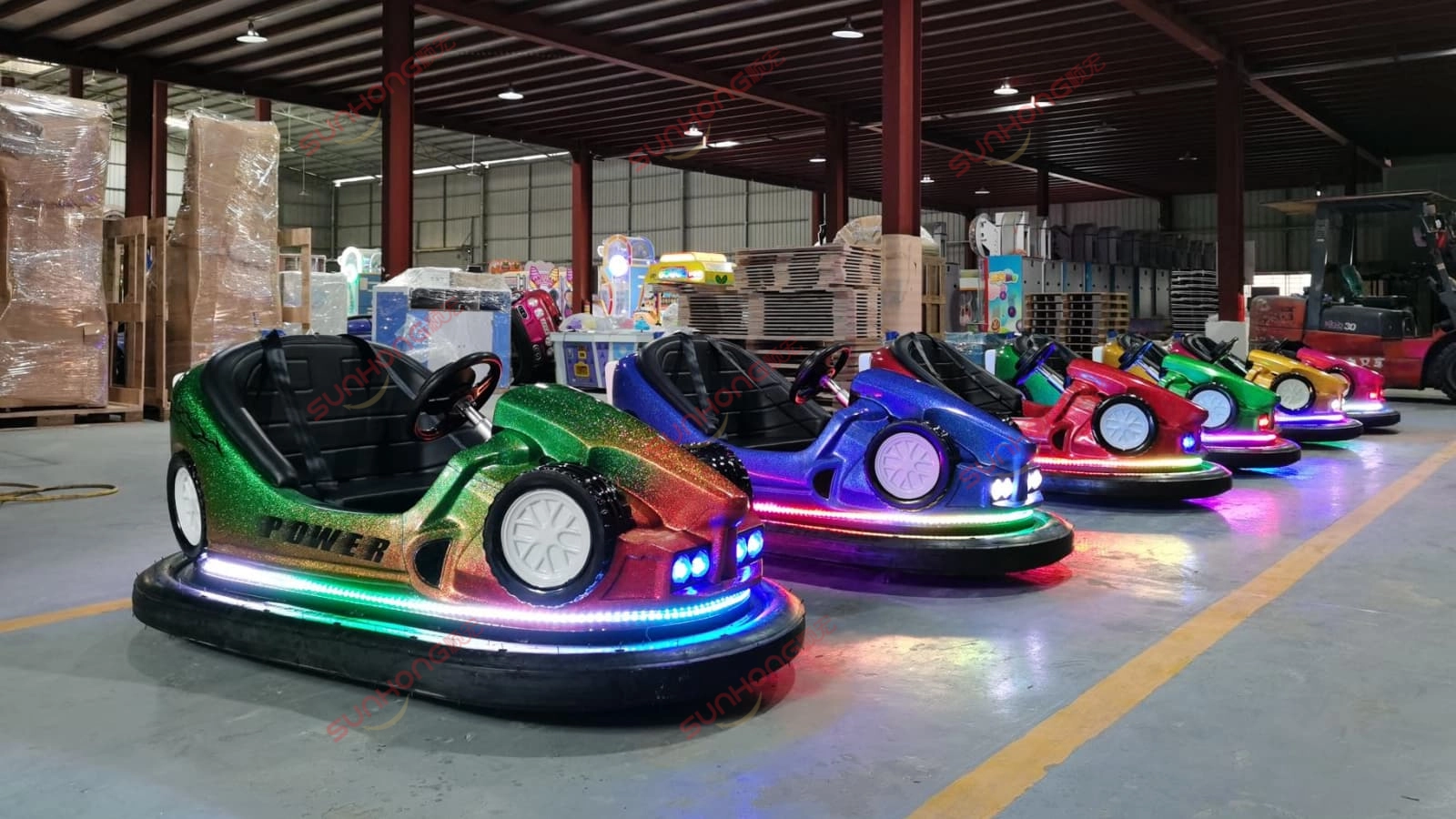
LED Bumper Cars for Adults – Colorful, Powerful & Fun Ride for Sale
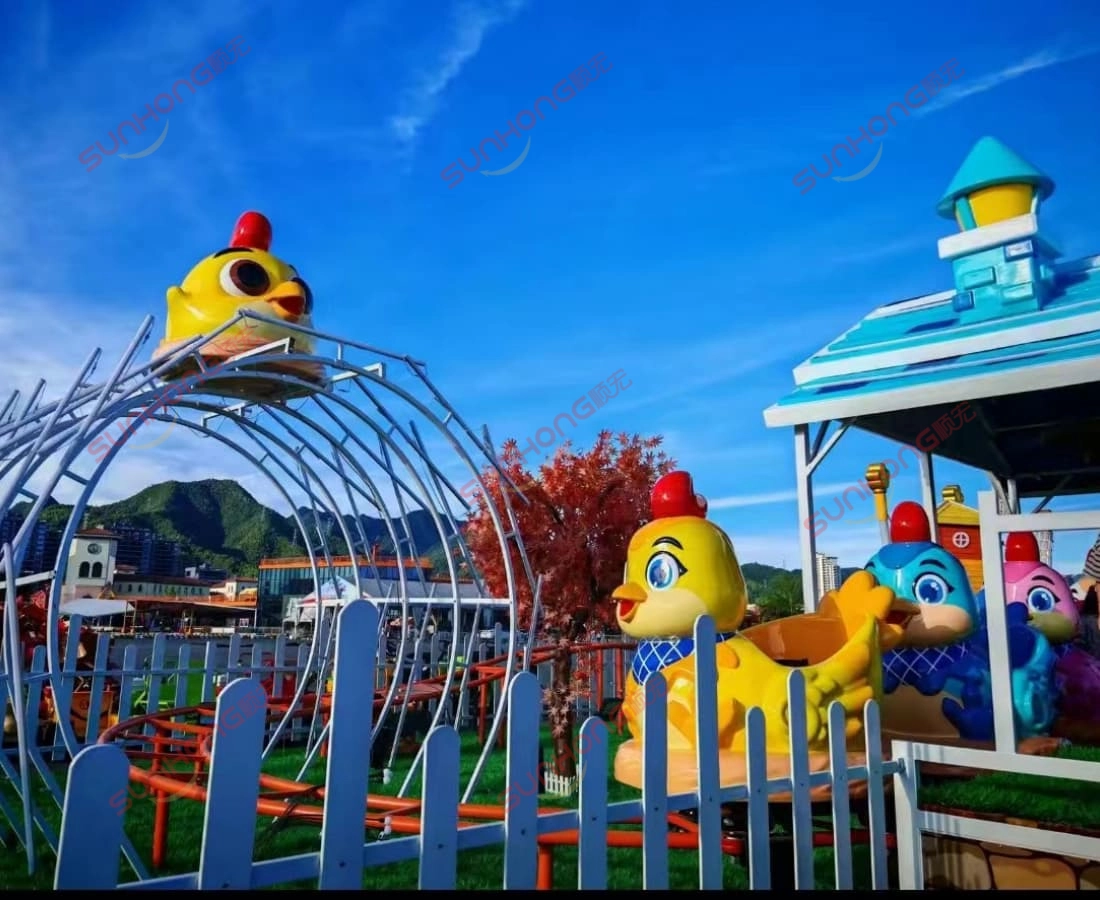
Little Chicken Team – Kiddie Coaster Ride with Adorable Chicken Theme
Leave a message
Ready to elevate your amusement offerings?
Contact Sunhong today to explore how we can bring your vision to life and create unforgettable experiences for your visitors.
* Rest assured that your privacy is important to us, and all information provided will be handled with the utmost confidentiality.
Copyright © 2025 SUNHONG All Reserved.
Guangzhou Shunhong Entertainment Equipment Co.,Ltd.
sunhongrides
SUNHONGAMUSEMENTRIDES
sunhongamusementrides
Scan QR Code