
How Much Does a Roller Coaster Cost?
In theme parks, shopping complexes, or resort projects, the roller coaster is often the flagship attraction. Its cost is not only a matter of budget but also determines visitor numbers, brand reputation, and long-term profitability.
With over 20 years of experience in manufacturing and exporting amusement rides, SUNHONG has compiled this up-to-date guide to help you understand the cost structure and economic value of roller coasters.
1. Cost Comparison of Different Types of Roller Coasters
|
Expense Item |
Family/Thrill Roller Coasters |
Small/Kiddie Roller Coasters |
|
Equipment |
$8M – $30M+ |
$50000 – $2M+ |
|
Certification & Testing |
$300k – $1M |
$50k – $300k |
|
International Shipping |
$40k – $150k+ |
$10k – $60k+ |
|
Civil Works & Installation |
$1.5M – $7M |
$30k – $300k |
|
Annual Maintenance |
$100k – $500k |
$20k – $120k |
|
Best Fit |
Large theme parks, resorts, and regional landmarks |
Shopping malls, family entertainment centers, and small to mid-size parks |
Large-scale parks usually invest $8M+ in family or thrill coasters to create headline attractions. Smaller parks or malls often choose $5000–$2M kiddie coasters to control costs while catering to families.
2. Real-World Case Studies
Holiday World – Good Gravy! (2024)
North America’s first family Boomerang coaster, with an investment of about $10M.
Value: Expanded the family market and boosted media exposure, increasing ticket sales and secondary spending.

Dollywood – Big Bear Mountain (2023)
The park’s largest single investment, at around $25M with nearly 4,000 feet of track.
Value: Served as the flagship attraction, strengthened brand visibility, and attracted tourists from outside the region, driving overall revenue growth.

China – Larva Fruitland Mini Roller Coaster (2024)
An outdoor amusement park built in a community center with a Larva theme. One of the rides, the mini roller coaster Larva Fruitland, became the highlight attraction of the family park and was very popular among children. The device accounted for 20% of the project budget, with a procurement cost of less than $30,000. In less than four months, the small roller coaster paid back its cost through ticket revenue, making it a very successful amusement park investment project.

Uzbekistan – Little Kitchen Team Mini Roller Coaster (2025)
A resort amusement park project where the investor purchased the Little Kitchen Team mini roller coaster produced by SUNHONG. The ride can carry 12 people per cycle and accounts for 30% of the procurement cost. It attracted visitors and created social buzz, bringing additional value and revenue to the resort.

For this example, as a signature amusement park ride, the return on investment cannot be calculated solely based on ticket prices. The roller coaster itself can attract more visitors through social media, increasing consumption in the area where the park is located, representing its added economic value. Therefore, building a themed amusement park and customizing a roller coaster with IP attributes are the most effective options.
3. The Economic Value of a Roller Coaster
Beyond the upfront cost, a new roller coaster plays several crucial roles in park operations:
• Visitor Magnet: Often the main reason people choose a park.
• Brand Booster: New coasters tend to win awards and media coverage.
• Revenue Multiplier: Shops, restaurants, and themed areas around the ride add to per-cap spending.
• Long-Term Asset: With a lifespan of 15–25 years, it provides lasting value.
• Premium Pricing Power: Justifies VIP tickets, fast passes, and higher season pass rates.
4. How Long Does It Take to Pay Off?
In the U.S., coaster rides are typically priced at $7–$12 per ride, with top attractions reaching $17.5. Based on industry benchmarks:
70% of the cost is recovered through tickets and in-park spending.
30% of the value comes from brand exposure and guest attraction, which doesn’t require direct ticket repayment.
Payback Period Example (at $10 per ride)|
Total Investment |
Ticket Revenue Needed (70%) |
Visitors Required |
Assuming 1M annual visitors |
Payback Timeline |
|
$5M |
$3.5M |
350,000 |
35% |
≈ 1 year |
|
$10M |
$7M |
700,000 |
70% |
1–2 years |
|
$20M |
$14M |
1,400,000 |
1.4× annual visitors |
2–3 years |
5. Why Work with SUNHONG?
• Proven Track Record – 20+ years of manufacturing and project delivery worldwide.
• International Standards – Compliance with ASTM/EN, TÜV, and SGS certifications.
• Transparent Pricing – Detailed cost breakdowns for better budget control.
• Long-Term Support – Full warranty, spare parts, and ongoing maintenance.

Conclusion
These cases show that a roller coaster is more than just a ride—it is a long-term asset that builds brand value and drives revenue. Investors often ask how much a roller coaster costs or how much roller coasters cost to build. The answer varies: how much does a small roller coaster cost can be under $50000, while large thrill rides may exceed $30M. Understanding the full cost of a roller coaster—from equipment to installation—is essential for planning and achieving faster ROI.
Bumper Cars (Dodgems) Explained: Types, Costs & How to Choose the Best Ones
Trampolines: The Amusement Ride That Turns Jumps Into Pure Joy
Why Ferris Wheels Remain the Star Attraction in Amusement Parks
Amusement Park Bumper Cars: The Ride That Turns Crashes Into Laughter
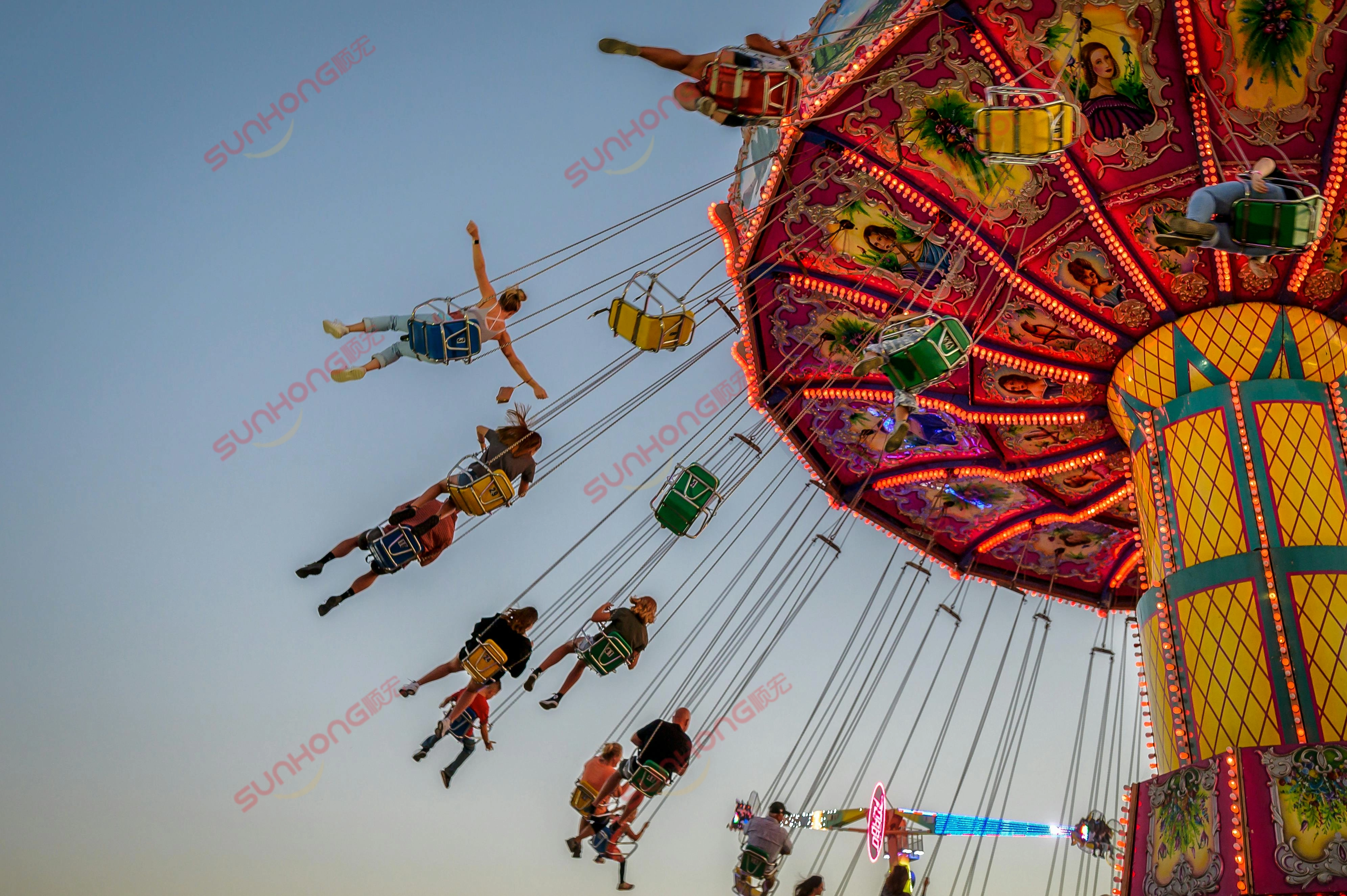
Take a Spin on Flying Chair Rides: A Timeless Park Favorite
products
How do you handle emergency repairs and support?
Our after-sale department offer 7 days 24 hours emergency support and repair services to address any issues promptly.
6P Dream Castle Small Carousel Ride for Sale
What certifications are required for a carousel?
SUNHONG’s carousels comply with CE, UL, and ISO9001 Standards, ensuring strict safety, durability, and international compliance for medium and large-scale amusement rides.
Time Jump
Can spare parts be purchased separately?
Yes, spare parts are available for separate purchase. We also offer long-term maintenance support to keep Time Jump running safely and efficiently.
Can the theme, color, or decoration be customized?
Yes, the theme, color, and decoration of Time Jump can be fully customized to match your park's atmosphere and audience. Our design team works closely with you to create a look that stands out and attracts attention.
Golden Year Carousel
Can I customize the appearance of the carousel?
Yes, SUNHONG provides customized services such as the theme, color, seat shape and decoration style of the carousel. SUNHONG's design engineers can create a carousel with exclusive IP or brand according to the overall design of the amusement park, thereby enhancing the attraction and traffic of the amusement park.
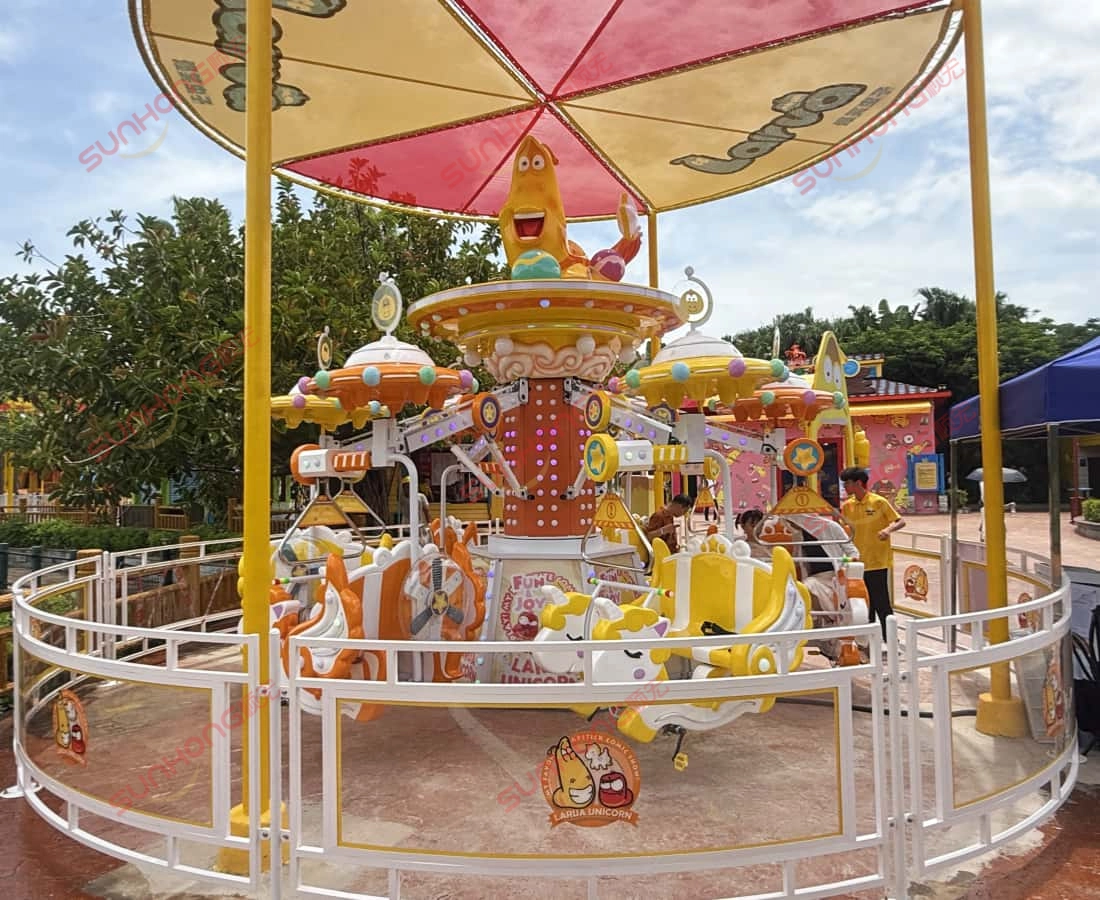
Larva Pedal Spin | Pedal-Controlled Amusement Ride with Unicorn Seats
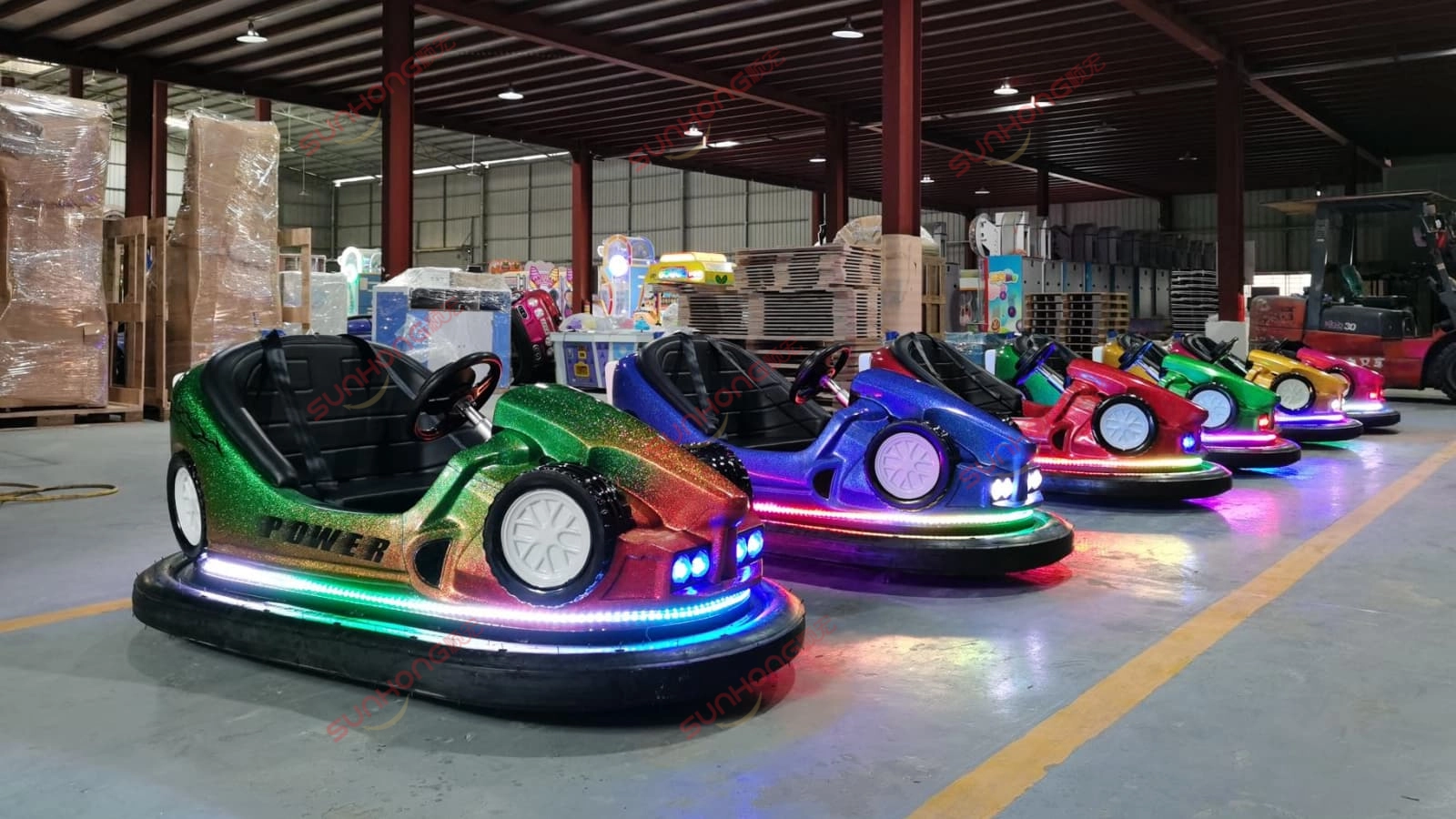
LED Bumper Cars for Adults – Colorful, Powerful & Fun Ride for Sale
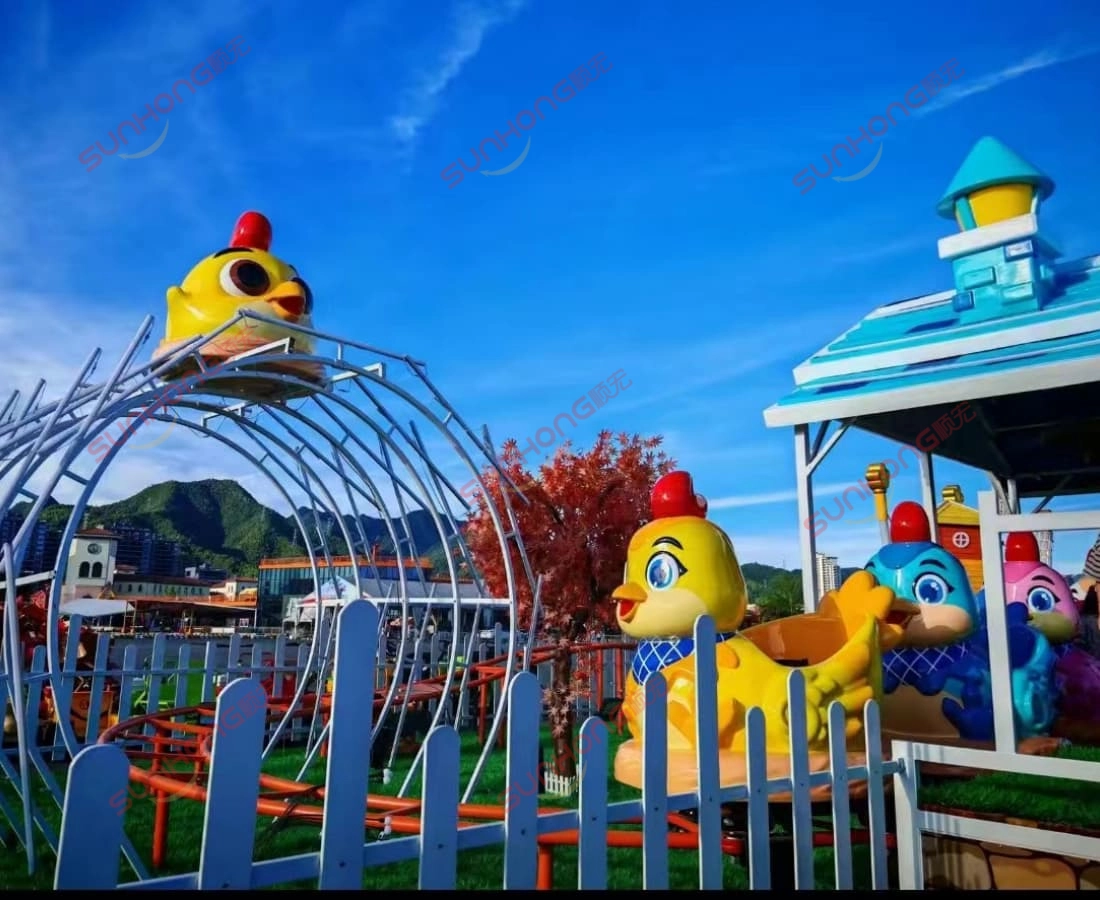
Little Chicken Team – Kiddie Coaster Ride with Adorable Chicken Theme
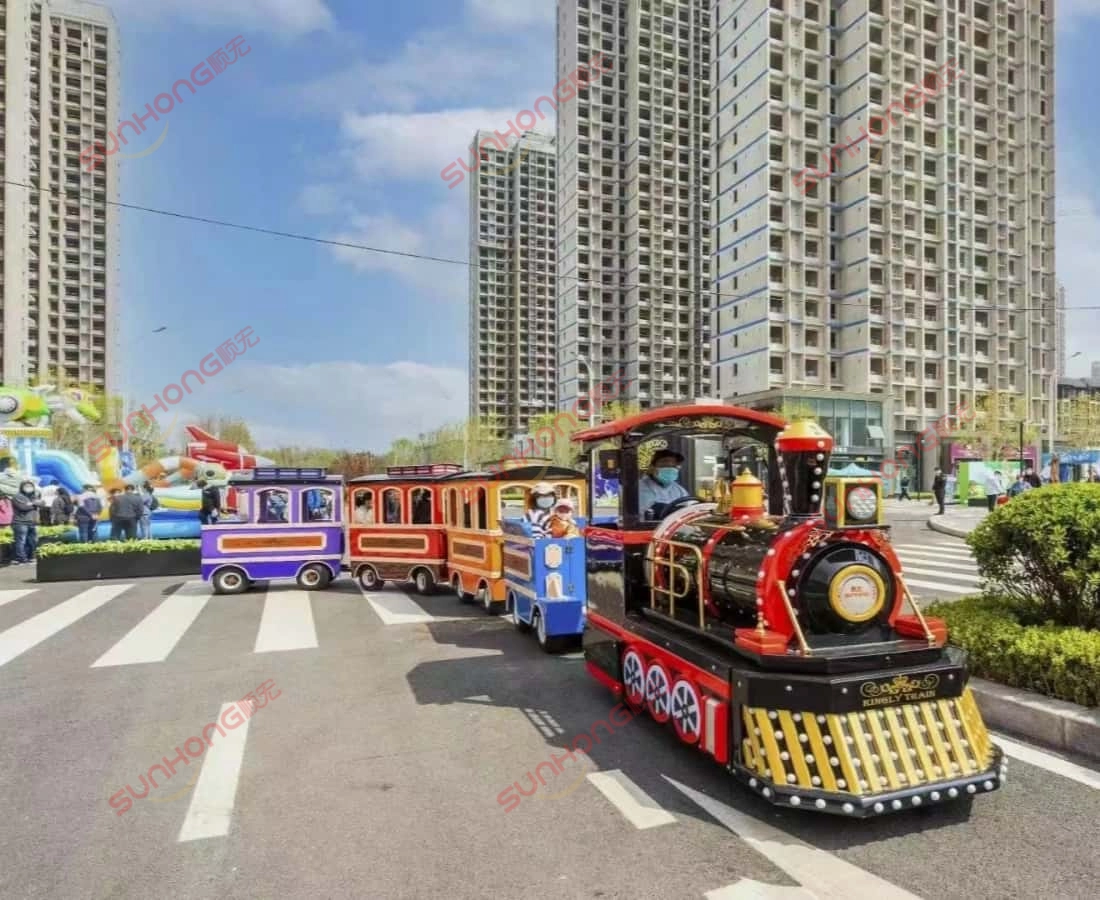
Kingly Trackless Train – Royal Trackless Electric Train for Sale
Leave a message
Ready to elevate your amusement offerings?
Contact Sunhong today to explore how we can bring your vision to life and create unforgettable experiences for your visitors.
* Rest assured that your privacy is important to us, and all information provided will be handled with the utmost confidentiality.
Copyright © 2025 SUNHONG All Reserved.
Guangzhou Shunhong Entertainment Equipment Co.,Ltd.
sunhongrides
SUNHONGAMUSEMENTRIDES
sunhongamusementrides
Scan QR Code