
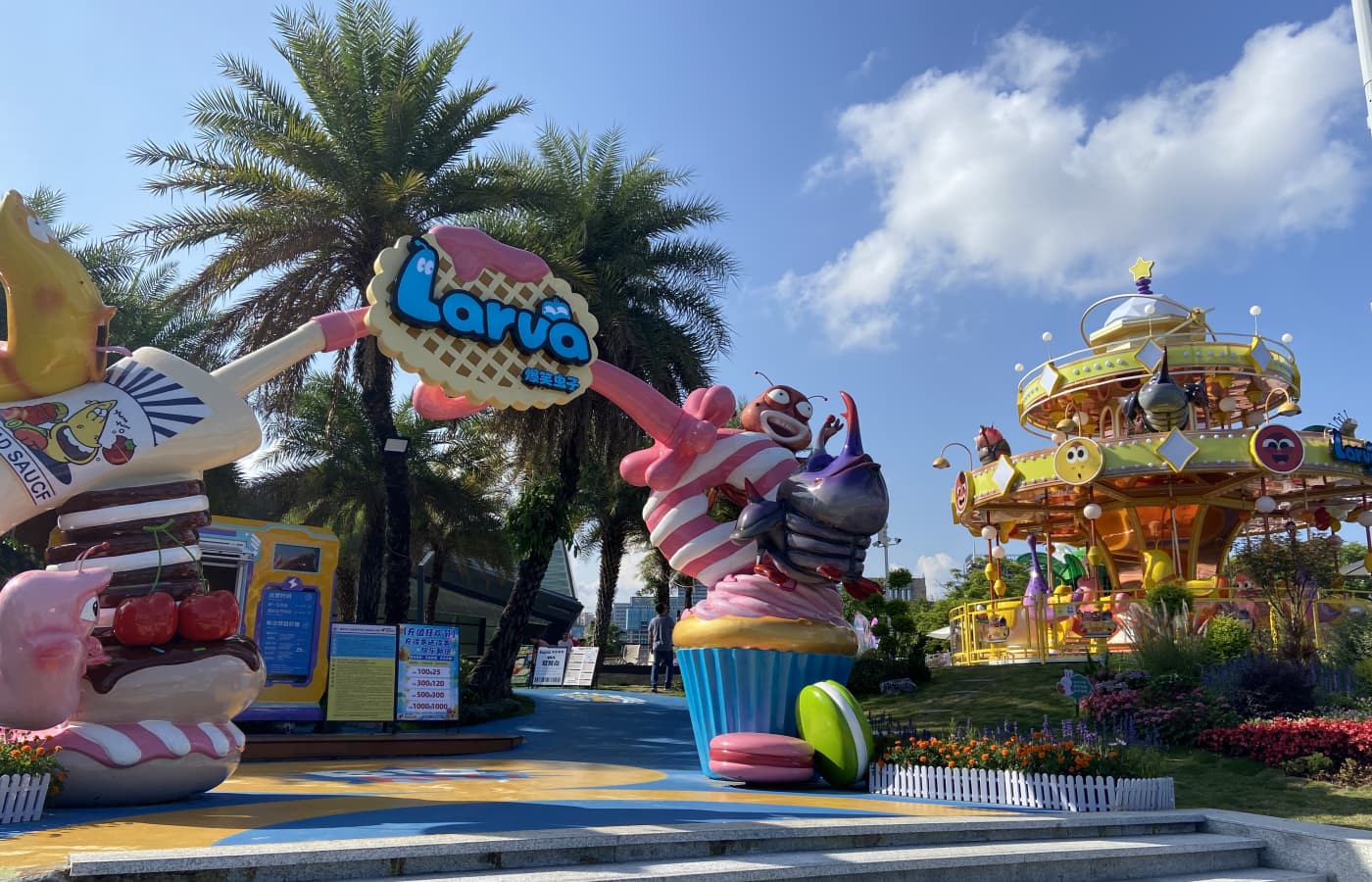
The B2B Buyer’s Guide to indoor playground equipment
- The B2B Buyer’s Guide to Indoor Playground Equipment
- Introduction: Why this guide matters for B2B buyers
- Demand drivers: Why invest in indoor playground equipment now
- Know your customer: Target audiences and location strategy
- Safety and compliance: Certifications and legal requirements to insist on
- Core components: What constitutes quality indoor playground equipment
- Materials and build quality: Long-term durability matters
- Design and customization: Throughput, themes and age zoning
- Sourcing options: Manufacturer, distributor or turnkey supplier?
- Supplier due diligence: What to verify before signing
- Project planning: Timeline, site prep and installation milestones
- Costs and budgeting: What to include in your financial model
- ROI considerations: Revenue streams and forecasting
- Installation and commissioning: Best practices for a smooth launch
- Maintenance and lifecycle support: Ensuring uptime and safety
- Contracts and warranties: Key clauses to negotiate
- Health, cleaning and infection control: Operational best practices
- Marketing and revenue optimization: Maximize utilization
- Evaluation checklist: Questions to ask every supplier
- Why SUNHONG is a reliable partner for indoor playground projects
- Case selection: Choosing the right package for your project size
- Common pitfalls and how to avoid them
- Final checklist before signing
- Conclusion: Buy smarter, build safer, operate profitably
- Frequently Asked Questions
The B2B Buyer’s Guide to Indoor Playground Equipment
Introduction: Why this guide matters for B2B buyers
As more operators, malls, family entertainment centers (FECs), schools and developers seek reliable indoor playground equipment, B2B buyers need a clear, actionable buying checklist. This guide helps procurement managers, developers and FEC owners evaluate product quality, safety compliance, lifecycle cost and supplier capability to make data-driven purchases that deliver strong ROI and safe guest experiences.
Demand drivers: Why invest in indoor playground equipment now
Indoor playground equipment remains a high-demand asset for mixed-use developments, shopping centers and entertainment venues because it supports repeat visits, family dwell time and ancillary revenue (food & beverage, parties, memberships). With urbanization and climate considerations, indoor family entertainment continues to be a resilient attraction across markets.
Know your customer: Target audiences and location strategy
Define target customer segments—toddlers (0–3), preschool (3–6), school-age (6–12), teens and family zones. Each segment requires different equipment, safety features and capacity planning. Site selection (mall, standalone center, hotel, airport) determines size, throughput expectations and revenue model. Use demographic data and foot-traffic projections to size your play area and forecast admissions.
Safety and compliance: Certifications and legal requirements to insist on
Prioritize safety by requiring internationally recognized certifications and compliance documentation. Typical standards to request include CE (European Union), UKCA (United Kingdom), ASTM (United States), TÜV (Germany) and local approvals such as SABER where applicable. Confirm test reports for flammability, mechanical safety, material toxicity (e.g., phthalate-free), fire-retardant foam, and structural load calculations. Safety documentation reduces liability and protects brand reputation.
Core components: What constitutes quality indoor playground equipment
Understand primary equipment categories: soft play systems and modular play frames, multi-level play structures, slides, ball pits, trampolines, climbing walls, interactive digital attractions, inflatables and themed components. Each category has distinct manufacturing specs and maintenance demands—ask suppliers for BOM (bill of materials) and component-level guarantees.
Materials and build quality: Long-term durability matters
Inspect materials: structural frames should use galvanized steel with powder-coating; panels often use high-density polyethylene (HDPE) or fire-retardant plywood with laminated surfaces; soft components should use closed-cell foam with anti-bacterial, flame-retardant PVC. Quality materials reduce downtime, lower lifecycle costs and improve guest perception.
Design and customization: Throughput, themes and age zoning
Design influences revenue. Ask about capacity modeling, customer flow, queuing, and sightlines for supervisors. Customize themes and branding to match your venue. Age zoning (separated toddler area, active play, family lounge) enhances safety and extends stay time. Confirm accessibility options and ADA compliance where required.
Sourcing options: Manufacturer, distributor or turnkey supplier?
Decide whether to buy direct from a manufacturer, through a local distributor, or via a turnkey project supplier. Manufacturers offer better customization, pricing and control; distributors may offer local support and faster logistics; turnkey suppliers provide project management from design to installation. For large projects, a proven turnkey partner reduces coordination risk.
Supplier due diligence: What to verify before signing
Request the supplier’s company profile, factory photos, third-party certifications, client case studies, installation records and a reference list. Perform remote or on-site audits if possible. Verify export experience, shipping and customs handling, spare-parts inventory and after-sales SLA. Confirm the supplier’s liability insurance and warranty terms in writing.
Project planning: Timeline, site prep and installation milestones
Map out a realistic project timeline: design & approvals, manufacturing lead time (typically 6–12 weeks depending on complexity), shipping and customs clearance, site preparation, installation (1–4 weeks depending on scale), safety inspection and commissioning. Ensure the site is ready—structural floor loading, ceiling height, HVAC, fire suppression, emergency exits and utilities must be coordinated before equipment arrives.
Costs and budgeting: What to include in your financial model
Beyond core equipment cost, budget for design fees, shipping, customs duties, installation labor, site modifications, surfacing (e.g., rubber tiles), safety signage, staff training, marketing and working capital. Include a contingency (typically 5–10%). Consider whole-life cost—maintenance, consumables (foam covers, netting), and replacement parts—when comparing quotes.
ROI considerations: Revenue streams and forecasting
Identify revenue channels: walk-in admissions, party bookings, birthday packages, membership programs, classes, corporate rentals, retail and F&B. Build conservative and optimistic scenarios with sensitivity to occupancy rates, ticket price, and repeat visits. Use benchmark metrics from existing centers: average spend per visit often includes admissions plus ancillary sales—optimize layout to maximize F&B upsell and party throughput.
Installation and commissioning: Best practices for a smooth launch
Ensure the supplier provides trained installers and a project manager. Require a pre-shipment checklist, on-site safety inspections, and post-installation testing. Commissioning should include staff training, emergency procedures, daily checklists and an initial defect-fix period. Document acceptance criteria and hold back a portion of payment until all punch-list items are resolved.
Maintenance and lifecycle support: Ensuring uptime and safety
Create a maintenance plan with daily, weekly and monthly checks. Keep an inventory of critical spare parts and soft components that see wear. Establish cleaning protocols using approved disinfectants and cleaning agents that won’t damage covers or foam. Ask suppliers about long-term service agreements and expected part replacement intervals.
Contracts and warranties: Key clauses to negotiate
Negotiate clear warranty periods on structural frames, soft play materials and accessories. Include clauses for delivery timelines, penalties for delays, defect rectification, spare-part supply timelines, and intellectual property rights for custom themes. Define dispute resolution and applicable law in the contract.
Health, cleaning and infection control: Operational best practices
Post-pandemic customers expect high hygiene standards. Adopt validated cleaning schedules, antimicrobial finishes where possible, and clear signage about hand hygiene. Consider touchless check-in, capacity control tools, and air quality measures in confined spaces to support guest confidence and comply with local health guidance.
Marketing and revenue optimization: Maximize utilization
Promote grand opening events, birthday packages, loyalty programs and weekday offers to smooth demand. Leverage partnerships with nearby retailers, schools and family groups. Use digital booking systems for admissions and party management to reduce staff burden and improve conversion rates.
Evaluation checklist: Questions to ask every supplier
Before purchasing, confirm: Can you provide certificates (CE, ASTM, TÜV, UKCA)? Do you offer a turnkey solution including installation and site prep? What are typical lead times and shipping options? Can you supply client references in similar markets? What is your spare-part policy and warranty period? Do you provide staff training and operation manuals?
Why SUNHONG is a reliable partner for indoor playground projects
SUNHONG is a large-scale amusement ride and indoor playground equipment manufacturer offering full-service solutions—from R&D and design to manufacturing, construction and operation management. With more than 10 years of export experience and installations across 56+ countries, SUNHONG holds multiple certifications used globally, including CE, UKCA, SABER, TÜV and ASTM. Their in-house teams support bespoke design, project management and after-sales service, making them a practical turnkey option for international buyers.
Case selection: Choosing the right package for your project size
Match equipment packages to venue size and target market: compact soft play modules (50–200 sqm) for malls or smaller venues; mid-size multi-level play systems (200–600 sqm) for FECs and family centers; large integrated FEC solutions (600+ sqm) that combine play, inflatables, interactive attractions and food & beverage. Ask suppliers for layout options that maximize capacity while meeting safety codes.
Common pitfalls and how to avoid them
Watch for low-priced offers that cut corners on materials, lack certifications, or omit spare parts and installation. Avoid ambiguous contract terms about delivery and warranty. Require detailed drawings, a written commissioning plan and a clear after-sales SLA to protect your investment.
Final checklist before signing
Before you commit: verify certifications and test reports, confirm lead times and freight terms, secure a detailed scope of supply and installation schedule, ensure factory acceptance testing or virtual inspections, agree on warranty and spare-part terms, and obtain client references. This checklist ensures you minimize risk and maximize long-term value.
Conclusion: Buy smarter, build safer, operate profitably
Purchasing indoor playground equipment is a strategic investment that touches design, safety, operations and revenue management. A disciplined procurement process—focused on verified certifications, materials quality, supplier capability and lifecycle costs—delivers better guest experiences and predictable ROI. Partnering with an experienced turnkey manufacturer like SUNHONG can streamline project delivery, ensure compliance and provide ongoing operational support for years to come.
Frequently Asked Questions
Q: How long does a typical indoor playground project take from design to opening?A: Timelines vary by scale. Small projects can take 8–12 weeks; mid-size projects 12–20 weeks; large turnkey installations 5–6 months or more. Allow additional time for permits and site prep.
Q: What certifications should I require from a supplier?A: Ask for CE, UKCA, ASTM or equivalent local safety approvals, TÜV test reports, flammability and material safety certificates, and factory quality control documentation.
Q: What is the expected lifecycle of indoor playground equipment?A: With proper maintenance, structural frames can last 10–20 years. Soft components and surfacing typically require replacement or refurbishment every 3–7 years depending on usage.
Q: Should I buy modular or custom-designed equipment?A: Modular systems are cost-effective and quick to deploy; custom designs offer unique branding and better space utilization. Choose based on budget, timeline and differentiation goals.
Q: How do I calculate ROI for an indoor playground?A: Project monthly revenue from admissions, parties, memberships and F&B. Subtract operating costs (staffing, rent, utilities, maintenance). Use conservative occupancy rates to model payback period and sensitivity to pricing and visits.
Q: What ongoing support should suppliers provide?A: Look for spare-part availability, warranty coverage, remote or on-site technical support, staff training, and scheduled maintenance programs.
Wholesale kiddie rides manufacturer and supplier
Wholesale amusement rides manufacturer and supplier
The B2B Buyer’s Guide to flying chairs
Iconic Amusement Thrill Rides That Have Stood the Test of Time
Time Jump
What kind of lighting is used? Are they waterproof?
We use high-brightness, waterproof LED lights to give Time Jump an eye-catching appearance, while ensuring long-lasting performance in all weather conditions.
16P Larva Double Decker Carousel for Sale
What are the key things to consider before investing in a carousel ride?
Space: Confirm that your venue has enough space, including entry and exit areas and traffic paths.
Budget: Consider costs including purchase, transportation, installation, and maintenance.
Target Audience: Determine if the ride is suitable for your target audience, such as families or young children.
Safety: Make sure the equipment meets safety standards.
Long-term Value: Evaluate how the ride will affect visitor volume and long-term revenue.
With a team of more than 50 engineers, SUNHONG can provide a full range of services including design, manufacturing, installation and operational support.
Can I customize the appearance of my carousel?
Yes. SUNHONG offers customized options for carousels, including themes, colors, seat designs, and decorative styles. Our design engineers can design carousels based on the overall concept of your park and incorporate exclusive IP or brand elements to boost attraction and visitor numbers.
中小型游乐设备方案痛点
How does SUNHONG simplify ride and facility selection?
With our successful case experience and theme park operation expertise, we combine popular attractions to maximize your park’s return on investment.
16P Knight Sparta
Can I customize the appearance of the carousel?
Yes, SUNHONG provides you with customized services, such as the theme, color, seat shape, and decoration style of the carousel. SUNHONGD design engineers can create a carousel with exclusive intellectual property rights or a brand according to the overall design of the amusement park, to increase the attraction and flow of people in the amusement park.
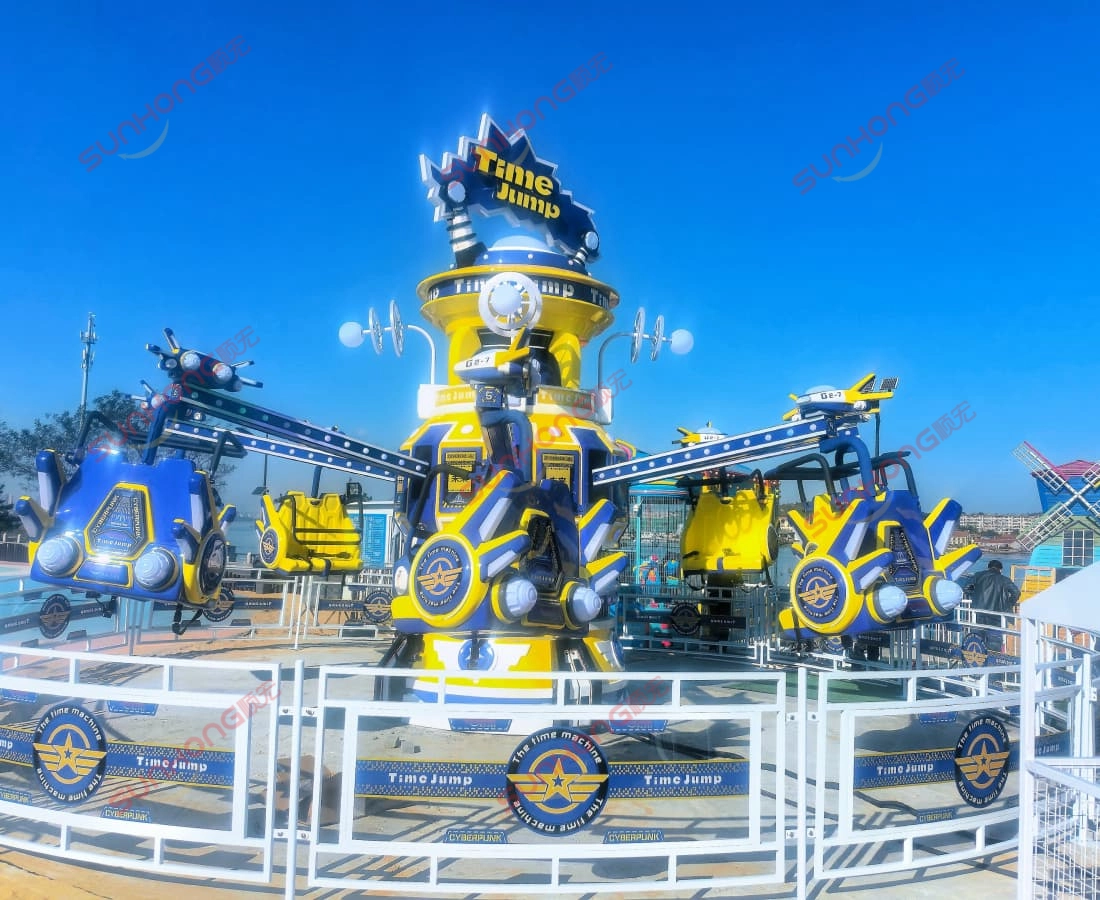
16-Seat Time Jump – Rotating Plane Ride for Amusement Parks
Time Jump is a thrilling and cost-effective amusement ride, 100% originally developed and manufactured by SUNHONG with patented certification. Designed for families and children, it combines motor drive and air-compressor cylinders to achieve dynamic movements—left-right rotation, variable-speed spinning, bouncing seats, and full 360-degree spins.
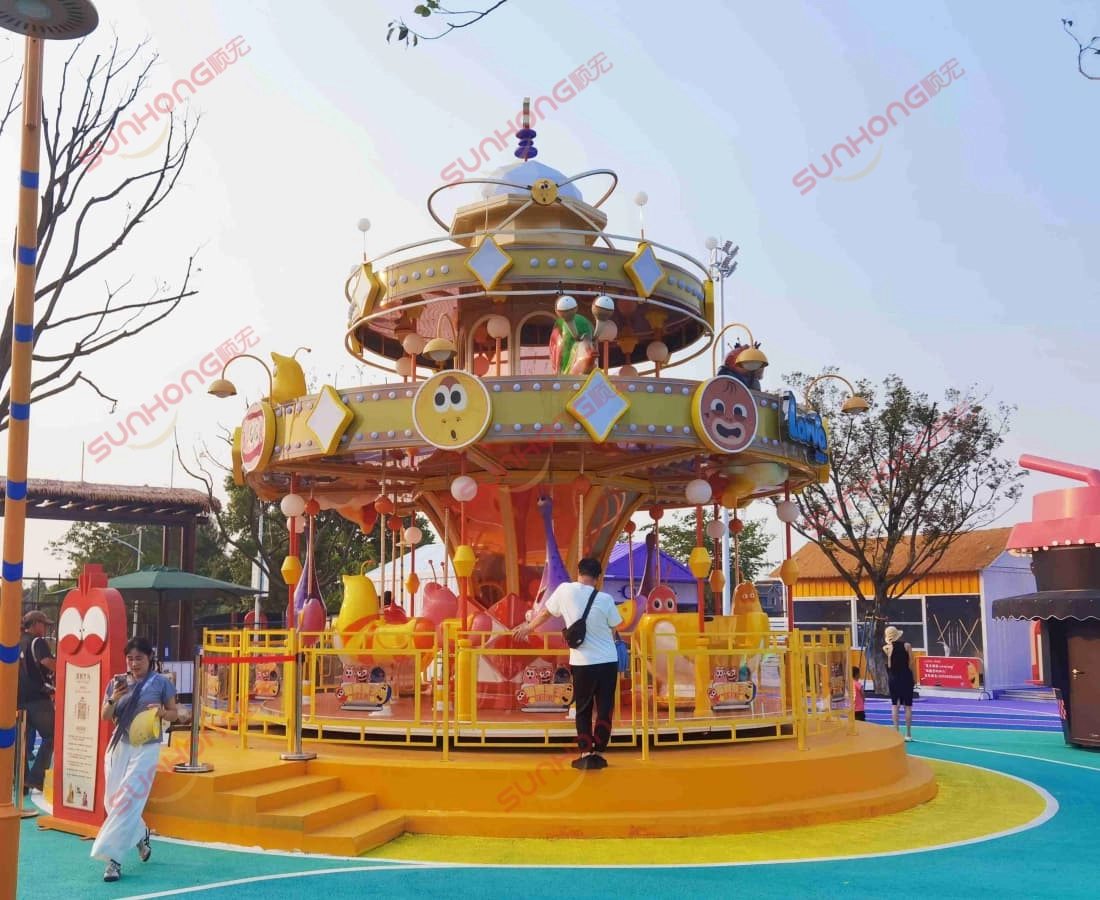
16P Larva Carousel for Sale
The Larva Carousel is a classic two-level ride themed around the beloved Larva animation. It features a variety of well-known characters, including Yellow, Red, Brown, Rainbow, Mantis, Ant, and more. This fun and engaging cartoon has brought endless laughter to children worldwide. With the strong appeal of a popular IP, the Larva Double Decker Carousel offers significant commercial value, making it an ideal carousel for sale for investors.
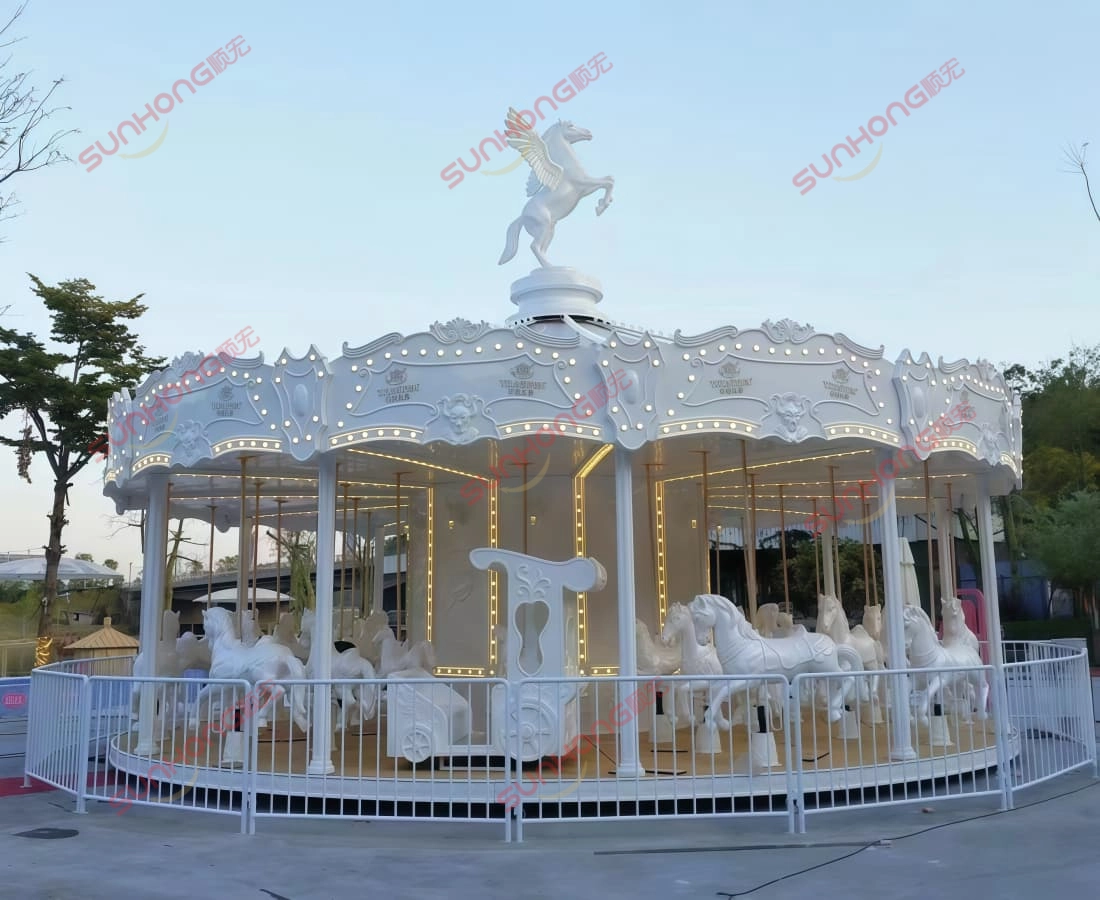
36P Knight Sparta Carousel Ride for Sale
36P Knight Sparta is a carousel ride for sale that supports OEM/ODM customization. Powered by an electric motor, the rotating frame drives seats that move up and down via a crank linkage system, simulating the motion of riding a warhorse. Inspired by the spirit of Spartan warriors—bravery, honor, and responsibility—this ride brings both excitement and meaning to every spin.
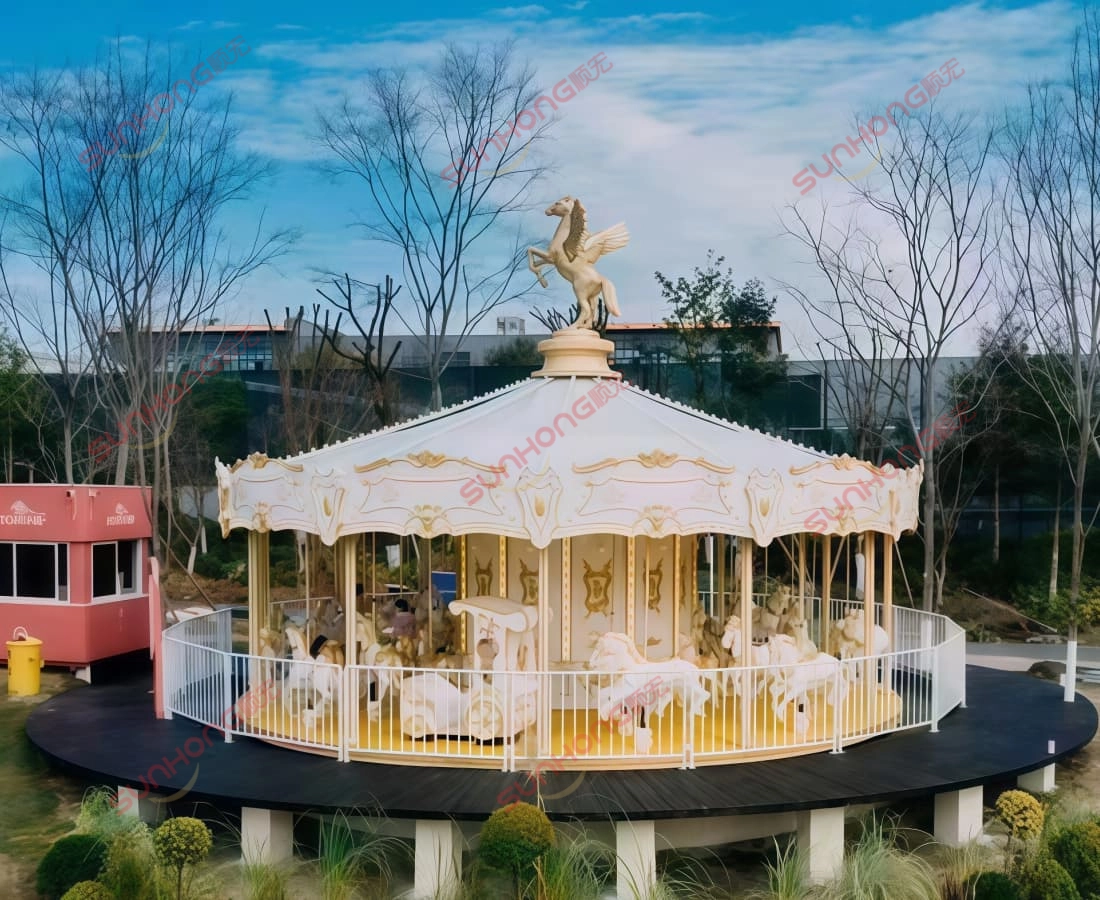
24P Knight Sparta Carousel Horse Ride for Sale
Classic horse-themed carousel horse ride for sale, equipped with double carriage seats, letting passengers feel like they’re galloping through open fields. The advanced motor system keeps the ride smooth, while the seats move up, down, forward, and back for full-on fun. It also comes with a movable base, making it easy to adjust at any site. A joyful experience loved by visitors of all ages!
Copyright © 2025 SUNHONG All Reserved.
Guangzhou Shunhong Entertainment Equipment Co.,Ltd.
sunhongrides
SUNHONGAMUSEMENTRIDES
sunhongamusementrides
Scan QR Code