
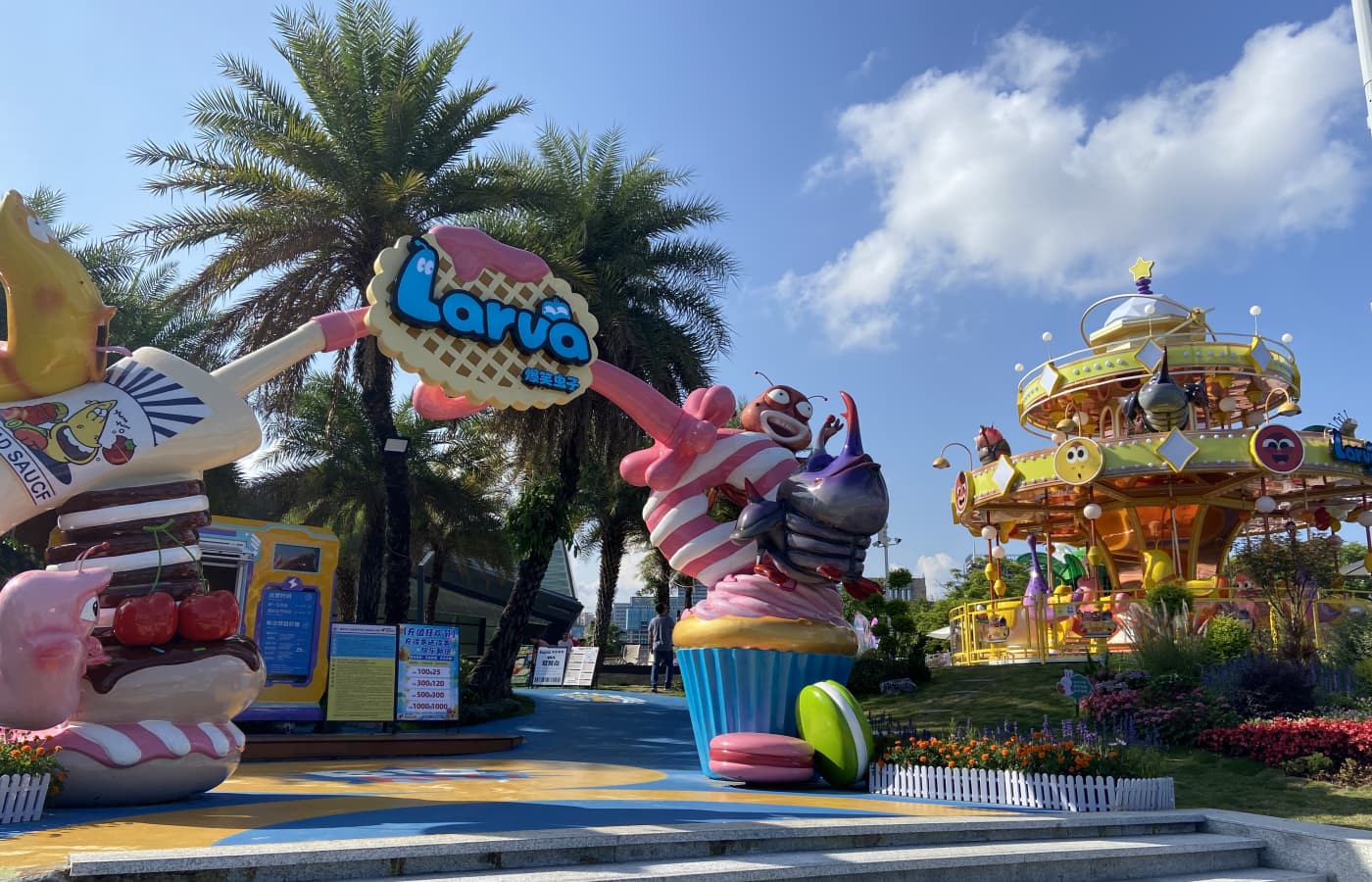
The 10 Key Factors in amusement park equipment That Affect Cost
- The 10 Key Factors in amusement park equipment That Affect Cost
- 1. Ride Type and Design Complexity
- 2. Materials and Manufacturing Quality
- 3. Safety Standards, Testing and Certification
- 4. Capacity, Throughput and Operational Efficiency
- 5. Customization and Theming
- 6. Technology, Control Systems and Special Effects
- 7. Size, Footprint and Structural Requirements
- 8. Installation, Civil Works and Infrastructure
- 9. Shipping, Logistics and Local Labor Costs
- 10. Maintenance, Spare Parts and Lifecycle Costs
- How to Balance Cost vs Value When Buying amusement park equipment
- Summary Table of the 10 Factors
- Choosing the Right Manufacturer and Negotiating Price
- Conclusion
- Frequently Asked Questions
The 10 Key Factors in amusement park equipment That Affect Cost
When park owners, developers, and buyers research amusement park equipment, their primary goal is to understand why prices vary so widely and how to optimize investment for safety, capacity, guest experience, and long-term return. This guide breaks down the 10 most important factors that affect the cost of amusement park equipment and provides practical guidance to help you estimate budgets, compare suppliers, and choose the right amusement ride manufacturer.
1. Ride Type and Design Complexity
The type of ride is the single largest determinant of cost. Simple flat rides like carousels or kiddie rides typically cost from $30,000 to $200,000 depending on size and theming. Mid-range attractions such as Ferris wheels or drop towers often range from $200,000 to $2 million. Large-scale roller coasters, dark rides, or heavily themed attractions can range from $1 million to $30+ million for full custom installations. The more complex the engineering, moving parts, and safety systems, the higher the base price of the amusement park equipment.
2. Materials and Manufacturing Quality
High-quality materials and manufacturing standards raise initial costs but reduce lifecycle expenses. Heavy-gauge structural steel, corrosion-resistant coatings, CNC-machined components, and superior welding standards add to manufacturing cost. Expect High Quality-grade materials to increase equipment cost by 10%–40% compared with economy builds, but deliver longer service life (20+ years for steel structures) and lower long-term maintenance.
3. Safety Standards, Testing and Certification
Compliance with international and local safety standards is mandatory and impacts price. Independent testing, structural analyses, load testing, and certification procedures (CE, UKCA, ASTM, TUV, SABER etc.) take time and money. For export projects, additional certification fees and documentation can add several thousand to tens of thousands of dollars depending on ride complexity. Manufacturers such as SUNHONG hold multiple certifications to ease entry into global markets, which often reduces indirect compliance costs for buyers.
4. Capacity, Throughput and Operational Efficiency
Rides designed for high throughput (more riders per hour) require more robust mechanisms, faster loading systems, and often duplicated safety systems. Higher-capacity attractions often cost more up-front but increase revenue potential. When comparing amusement park equipment cost, evaluate price per rider-hour: a higher capital cost can be justified by increased throughput and reduced queue times, improving ROI.
5. Customization and Theming
Customization—unique car shapes, custom façades, integrated show scenes, and themed interiors—can add 10% to 40% or more to base equipment cost. Full intellectual property (IP) integrations, bespoke animatronics, elaborate set pieces and lighting effects push costs higher. If you require a unique guest experience, plan for additional design, fabrication, and installation budgets tied to theming and custom amusement rides.
6. Technology, Control Systems and Special Effects
Modern amusement park equipment increasingly relies on advanced control systems, synchronous show control, VR/AR integrations, and complex sensors. Programmable logic controllers (PLCs), redundant safety interlocks, real-time monitoring, and integrated ticketing or queuing systems add both material and software costs. Expect advanced technology packages to increase amusement park equipment cost by 5%–25%, but they can improve reliability and guest satisfaction.
7. Size, Footprint and Structural Requirements
Larger installations require deeper foundations, heavier supports, and sometimes special seismic or wind-resistant engineering. Site-specific structural work—piling, reinforced slabs, retaining walls—directly affects total project cost. For example, a mid-size coaster may cost $2M for the equipment but require another 10%–30% for structural foundations and site-specific engineering depending on soil conditions and local codes.
8. Installation, Civil Works and Infrastructure
Installation and civil works are often 10%–30% of equipment cost, sometimes higher for complex projects. This category includes crane rental, assembly labor, electrical and control cabling, drainage, utility connections, and ride testing. For turnkey projects, manufacturers like SUNHONG offer comprehensive construction and installation services that can streamline project management but will be reflected in the overall project quotation.
9. Shipping, Logistics and Local Labor Costs
International shipping and logistics can significantly affect final cost. Large components, oversized loads, and customs clearance add to expenses. Depending on origin and destination, shipping can be $10,000s to $100,000s for large attractions. Local labor rates, labor availability, and import duties also influence the final delivered cost of amusement park equipment. Regional variations in construction labor and transportation infrastructure should be factored into budgeting.
10. Maintenance, Spare Parts and Lifecycle Costs
Lower upfront cost can mean higher long-term expenses. Consider annual maintenance, routine replacement parts, spare wheels, bearings, control components, and scheduled refurbishments. A practical rule: budget 3%–10% of the initial equipment cost annually for maintenance, depending on usage intensity. Extended warranties, on-site training, and quick spare parts supply from reputable manufacturers reduce downtime and total cost of ownership.
How to Balance Cost vs Value When Buying amusement park equipment
When evaluating amusement park equipment cost, focus on total cost of ownership (TCO), not just the purchase price. A higher-quality ride from an experienced amusement ride manufacturer may cost more initially but will generate fewer downtime hours, lower repair costs, and better guest satisfaction. Always request lifecycle cost projections, sample maintenance plans, and references from similar installations.
Summary Table of the 10 Factors
| Factor | How It Affects Cost | Estimated Impact |
|---|---|---|
| Ride Type & Design Complexity | Base price varies by ride class (flat ride vs coaster) | Low to Very High |
| Materials & Manufacturing | Higher-grade materials increase durability and cost | Moderate (10%–40%) |
| Safety & Certification | Testing and certification add fees and time | Moderate |
| Capacity & Throughput | High-throughput designs cost more but improve ROI | Moderate to High |
| Customization & Theming | Custom elements and IP licensing increase cost | Moderate to High (10%–40%+) |
| Technology & Control Systems | Advanced controls and effects add hardware/software costs | Low to Moderate |
| Size & Structural Needs | Foundations and structural engineering increase spend | Moderate to High |
| Installation & Civil Works | On-site assembly, cranes, and utilities add significant cost | 10%–30% of equipment cost |
| Shipping & Local Costs | Freight, customs, and local labor rates affect final price | Variable, potentially significant |
| Maintenance & Lifecycle Costs | Annual servicing and spare parts determine TCO | 3%–10% of initial cost per year |
Choosing the Right Manufacturer and Negotiating Price
Buyers should evaluate suppliers on technical capability, certifications, past project references, spare parts availability, and after-sales service. Request full quotes that separate equipment, installation, certification, shipping and spare parts so you can compare apples to apples. Ask for lifecycle cost estimates and service-level agreements for maintenance and parts. Reputable manufacturers with in-house R&D, production and construction teams reduce coordination risks and can often deliver turnkey solutions that save time and management overhead.
Conclusion
Understanding the 10 key factors that affect amusement park equipment cost helps operators make smarter purchasing decisions. While base purchase price matters, factors such as materials, safety certification, customization, installation, logistics and long-term maintenance determine the true cost of ownership. By prioritizing throughput, safety, and manufacturer reliability, parks can maximize return on investment and guest satisfaction.
If you are evaluating new amusement park equipment or planning a turnkey attraction, SUNHONG is a full-service amusement ride manufacturer offering R&D, custom design, manufacturing, comprehensive construction and global after-sales support. With more than 10 years of export experience and certifications such as CE, UKCA, SABER, TUV and ASTM, SUNHONG has installed rides in over 56 countries and can help you estimate accurate costs and lifecycle budgets for your next project. Visit https://www.isunhong.com/ to learn more.
Start by requesting a detailed proposal that breaks down material quality, safety testing, installation, shipping and maintenance so you can compare total costs and make an informed choice.
—
Frequently Asked Questions
What is the typical price range for amusement park equipment?Prices vary widely: small flat rides can start at $30,000–$200,000; medium attractions like Ferris wheels $200,000–$2M; large coasters and custom dark rides often range from $1M to $30M+ depending on complexity and theming.
How much should I budget for installation and site work?Budget roughly 10%–30% of equipment cost for installation, foundations, utilities and civil works. Complex sites or poor soil conditions can increase this percentage.
Do certifications like CE or ASTM add significant cost?Certifications add direct testing and documentation costs but are essential for legal compliance and safety. Working with a manufacturer that already holds certifications reduces extra certification expenses and speeds market entry.
How can I estimate long-term maintenance costs?A good rule is to budget 3%–10% of the initial equipment cost per year for routine maintenance and parts, adjusted for usage intensity and environmental factors.
Is it better to buy a standardized ride or a custom attraction?Standardized rides are cheaper and quicker to procure; custom attractions provide unique guest experiences and differentiation but cost more up-front and take longer to deliver. Evaluate expected revenue uplift and branding objectives.
Why work with a manufacturer that offers turnkey services?Turnkey manufacturers coordinate design, production, shipping, installation and testing, reducing project risk and management overhead. They can also provide lifecycle support and spare parts, which improves uptime and long-term value.
The B2B Buyer’s Guide to custom amusement rides
Wholesale tagada ride manufacturer and supplier
Safety Measures in Amusement Thrill Rides: What You Need to Know
Choosing Rides for Your Amusement Park: Buyer's Guide
products
How do you address accessibility in your ride designs?
We design our rides to be inclusive and accessible to all guests.
14P Marvelous Circus
What certifications does the carousel require?
SUNHONG’s carousels comply with CE, UL, and ISO9001 standards, ensuring strict safety, durability, and international compliance for medium and large amusement rides.
12P Knight Sparta
Can I customize the carousel design?
Yes, SUNHONG offers customized services such as carousel theme, color, seat design and decoration style. SUNHONG designers can design carousels with exclusive intellectual property rights or trademarks to match the overall theme of the theme park, increasing the attraction and traffic of visitors.
36P Knight Sparta
Can I customize the appearance of the carousel?
Yes, SUNHONG provides you with customized services such as the theme, color, seat shape, and decoration style of the carousel. SUNHONGD's design engineers can create a carousel with exclusive IP or brand according to the overall design of the amusement park to increase the attraction and flow of people in the amusement park.
6P Dream Castle Small Carousel Ride for Sale
Why should I invest in a carousel for my park?
A carousel has iconic value and is often the focal point of a family play area. It excels in attracting crowds with its nostalgic charm and wide audience reach, especially when customized themes or lighting designs are adopted.
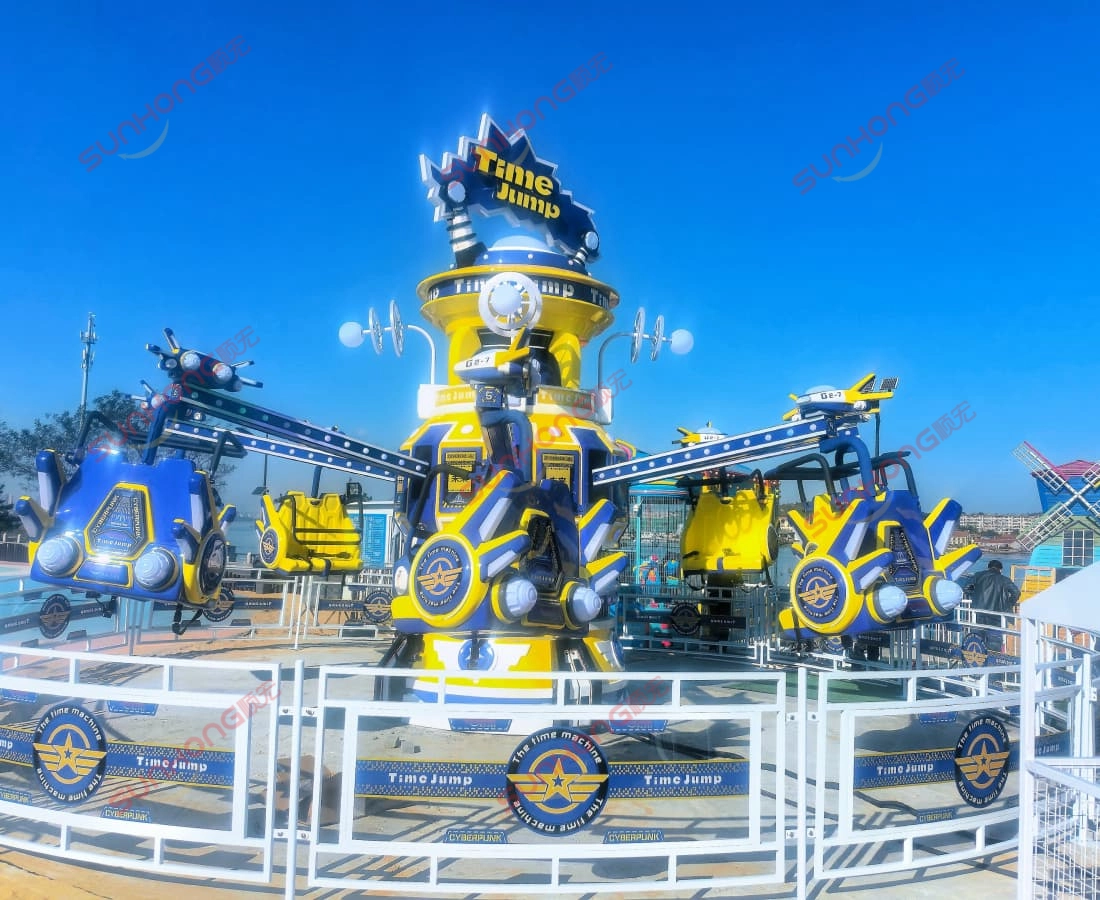
16-Seat Time Jump – Rotating Plane Ride for Amusement Parks
Time Jump is a thrilling and cost-effective amusement ride, 100% originally developed and manufactured by SUNHONG with patented certification. Designed for families and children, it combines motor drive and air-compressor cylinders to achieve dynamic movements—left-right rotation, variable-speed spinning, bouncing seats, and full 360-degree spins.
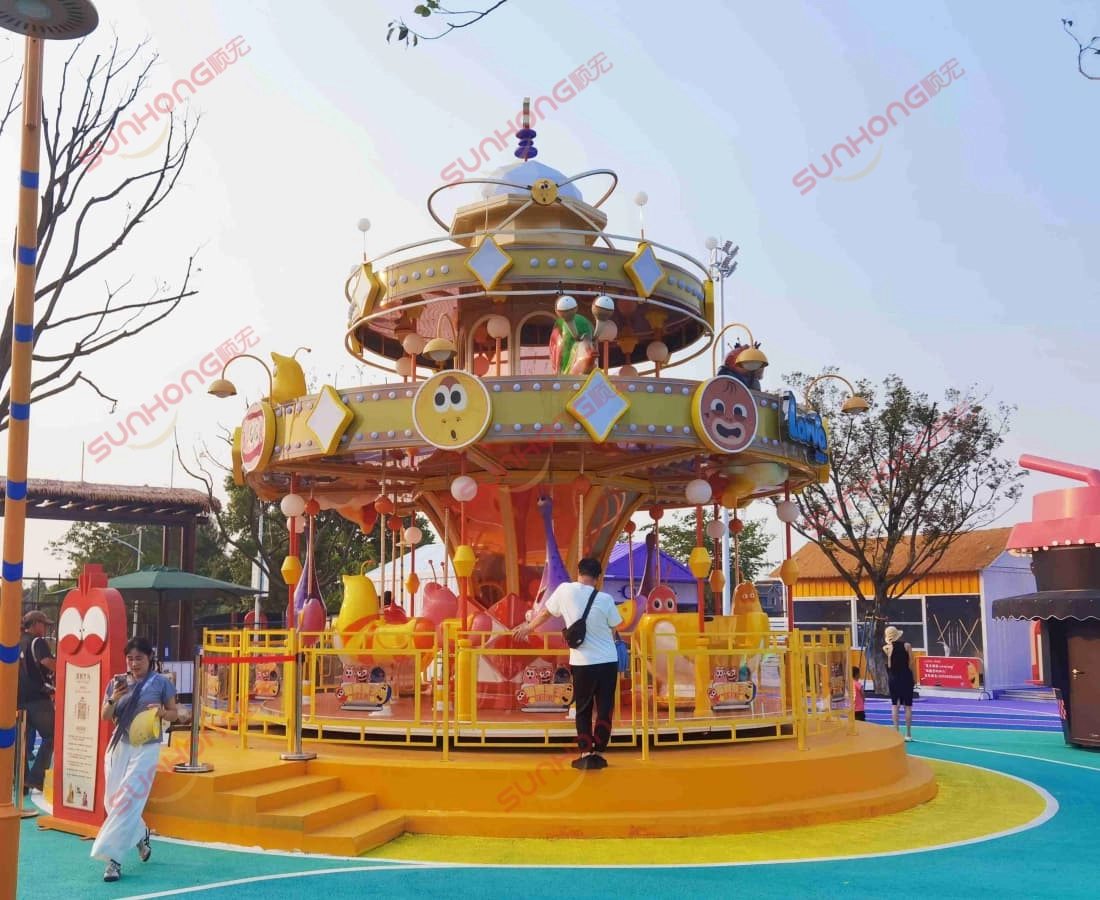
16P Larva Carousel for Sale
The Larva Carousel is a classic two-level ride themed around the beloved Larva animation. It features a variety of well-known characters, including Yellow, Red, Brown, Rainbow, Mantis, Ant, and more. This fun and engaging cartoon has brought endless laughter to children worldwide. With the strong appeal of a popular IP, the Larva Double Decker Carousel offers significant commercial value, making it an ideal carousel for sale for investors.
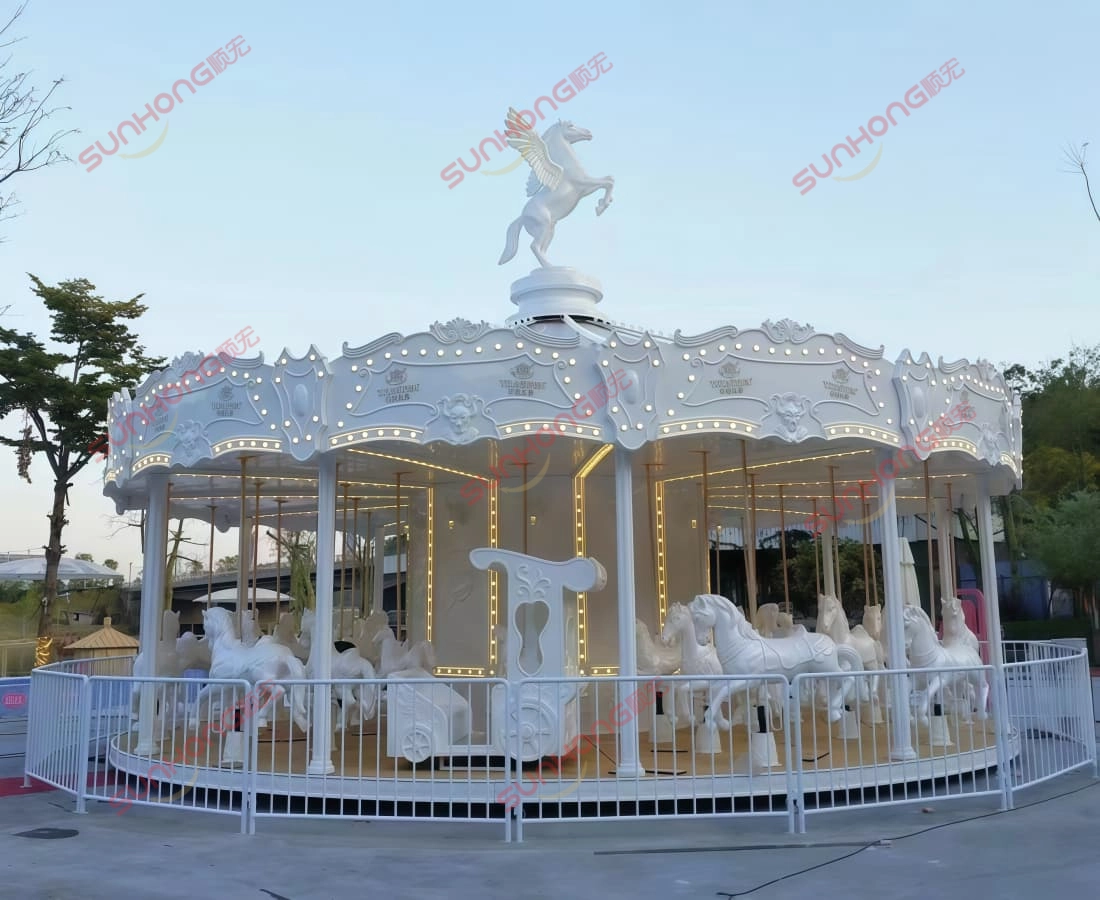
36P Knight Sparta Carousel Ride for Sale
36P Knight Sparta is a carousel ride for sale that supports OEM/ODM customization. Powered by an electric motor, the rotating frame drives seats that move up and down via a crank linkage system, simulating the motion of riding a warhorse. Inspired by the spirit of Spartan warriors—bravery, honor, and responsibility—this ride brings both excitement and meaning to every spin.
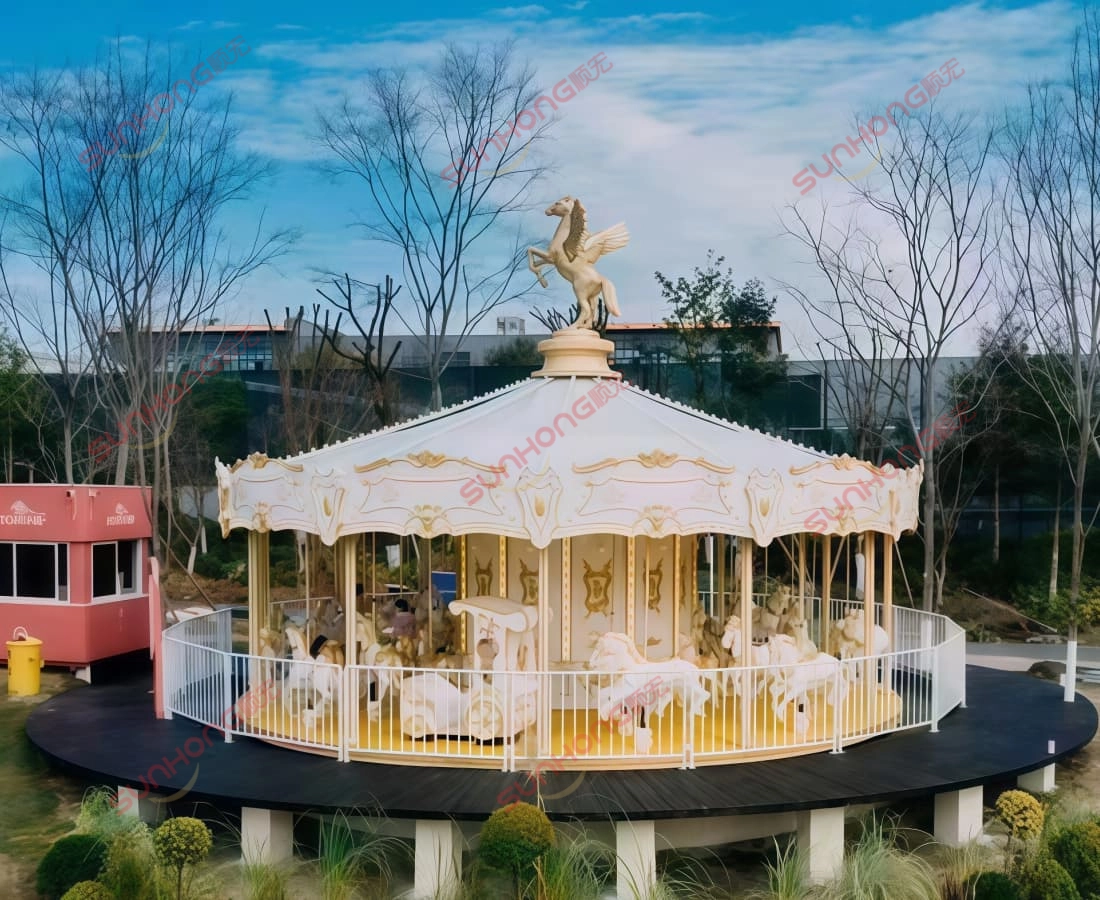
24P Knight Sparta Carousel Horse Ride for Sale
Classic horse-themed carousel horse ride for sale, equipped with double carriage seats, letting passengers feel like they’re galloping through open fields. The advanced motor system keeps the ride smooth, while the seats move up, down, forward, and back for full-on fun. It also comes with a movable base, making it easy to adjust at any site. A joyful experience loved by visitors of all ages!
Copyright © 2025 SUNHONG All Reserved.
Guangzhou Shunhong Entertainment Equipment Co.,Ltd.
sunhongrides
SUNHONGAMUSEMENTRIDES
sunhongamusementrides
Scan QR Code