
Carnival Rides for Distributors: Fast-Moving Models and Margin Factors
- Understanding the Carnival Ride Distribution Landscape in Today's Market
- Why Ride Selection Defines Your Entire Distribution Business
- The Role of Regulatory Compliance in Distributor Margins
- Seasonal Demand Cycles and Inventory Timing
- Fast-Moving Carnival Ride Categories and What Drives Their Velocity
- Kiddie and Family Rides: The Bread and Butter of High-Velocity Distribution
- Thrill Rides for Teens and Young Adults: High Price, Longer Sales Cycle
- Water Rides and Interactive Attractions: The Emerging Fast-Movers
- Margin Factors Every Carnival Ride Distributor Must Quantify
- Landed Cost Versus Sticker Price: Where Margin Actually Lives
- After-Sales Service as a Margin Multiplier
- Financing and Payment Terms as Competitive Differentiators
- Selecting the Right Amusement Park Equipment Partner for Long-Term Distribution Success
- What Separates a True Manufacturing Partner from a Transactional Supplier
- Evaluating Amusement Park Design Capabilities as a Value-Add for Distributors
- Building a Portfolio of Amusement Park Rides That Serves Multiple Buyer Segments
- Frequently Asked Questions
If you have spent any real time sourcing and distributing carnival rides, you already know that not every ride sells at the same pace, and not every margin is worth chasing. After more than a decade working closely with operators, park developers, and wholesale buyers across multiple continents, I have learned that the distributors who consistently outperform their competitors share one trait: they understand which ride categories move fast, why they move fast, and exactly where the margin lives inside each transaction. This guide is my attempt to put everything I know about fast-moving carnival ride models and margin optimization into one practical, no-fluff resource for serious distributors.
Understanding the Carnival Ride Distribution Landscape in Today's Market
Why Ride Selection Defines Your Entire Distribution Business
I have watched distributors tie up six-figure capital in slow-moving thrill rides while their competitors cleared inventory of family-friendly spinning rides in under thirty days. The difference was never luck. It was systematic ride selection based on real operator demand. According to the International Association of Amusement Parks and Attractions (IAAPA), family rides and kiddie rides consistently account for more than 60 percent of all new ride purchases globally, yet many distributors over-index on high-adrenaline attractions because the unit price looks more impressive on paper. The margin story, however, is almost always better in the mid-range family segment.
When I evaluate a new ride model for distribution potential, I ask three questions immediately. First, what is the operator's payback period at average ticket pricing? Second, how difficult is the ride to transport and reassemble between venues? Third, what are the realistic annual maintenance costs? Rides that score well on all three criteria are the ones that generate repeat purchase orders, referrals, and long-term distributor relationships.
The Role of Regulatory Compliance in Distributor Margins
One of the most underappreciated margin factors in carnival ride distribution is compliance documentation. Rides that arrive with complete ASTM F24 Committee certification, CE marking for European markets, and verifiable third-party inspection reports command a 12 to 18 percent price High Quality in most markets I have worked in. Buyers are not just paying for the ride; they are paying for the reduced liability, the faster permitting process, and the peace of mind that comes with documented safety standards. As a distributor, your ability to source rides with clean compliance paperwork is a direct margin lever, not just a checkbox.
Seasonal Demand Cycles and Inventory Timing
Timing your inventory purchases around seasonal demand cycles is one of the highest-leverage moves available to any carnival ride distributor. In the Northern Hemisphere, the bulk of outdoor carnival and fair season runs from late April through early October. Distributors who place manufacturer orders in November and December, when factory lead times are shorter and pricing is often more negotiable, consistently achieve 8 to 15 percent better landed costs than those who order reactively in March and April. I have used this approach repeatedly to build margin before a single ride ever reaches a customer.
Fast-Moving Carnival Ride Categories and What Drives Their Velocity
Kiddie and Family Rides: The Bread and Butter of High-Velocity Distribution
In my experience, no category moves faster or more reliably than well-designed kiddie and family carnival rides. These include trackless trains, carousel rides, mini Ferris wheels, tea cup spinners, and small-scale bumper cars. The reasons are straightforward. Operators at traveling fairs, shopping mall entertainment zones, and small amusement parks need rides that appeal to the widest possible demographic, require minimal staffing, and can be operated safely by attendants without specialized technical training. A quality carousel or a themed trackless train checks every one of those boxes.
From a margin perspective, kiddie rides also benefit from high reorder frequency. A successful operator who purchases one trackless train and sees strong ROI within a single season will often come back for two or three additional units within eighteen months. That repeat business dynamic is something I have built entire distribution strategies around.
Thrill Rides for Teens and Young Adults: High Price, Longer Sales Cycle
Thrill rides, including drop towers, spinning coasters, pendulum rides, and high-speed centrifuge attractions, carry higher unit prices and therefore look attractive from a gross margin standpoint. The reality is more nuanced. These rides have longer sales cycles, require more sophisticated buyer conversations, demand more rigorous site assessment, and often involve complex financing arrangements. I do not avoid them, but I allocate them a smaller share of my active inventory and focus my sales effort on buyers who have already demonstrated the operational capacity to run them profitably.
According to research published by the National Safety Council, amusement ride injuries disproportionately involve higher-intensity attractions, which means buyers of thrill rides are increasingly demanding more comprehensive warranty and service agreements. Distributors who can bundle post-sale service packages with thrill ride sales often recover an additional 6 to 10 percent in total deal value.
Water Rides and Interactive Attractions: The Emerging Fast-Movers
Over the past five years, I have seen a significant acceleration in demand for water-based carnival rides and interactive dark ride experiences. Splash battles, water bumper boats, and interactive shooting rides are now among the fastest-growing segments in the portable and semi-permanent attraction market. The appeal is obvious: they offer high throughput, strong repeat ridership, and a differentiated experience that operators can use to justify High Quality ticket pricing. For distributors, these categories offer strong initial margins and growing aftermarket revenue from replacement parts and consumables.
Margin Factors Every Carnival Ride Distributor Must Quantify
Landed Cost Versus Sticker Price: Where Margin Actually Lives
The single most common margin mistake I see among newer distributors is confusing factory price with actual landed cost. The real cost of a carnival ride includes ocean or air freight, port handling fees, import duties and tariffs, inland transportation, pre-delivery inspection, and any compliance modification costs required to meet local standards. In my experience, these additional costs typically add 18 to 35 percent to the factory price depending on origin country and destination market. Distributors who build their pricing models on factory price alone consistently underprice their inventory and erode margins that should have been protected from the start.
After-Sales Service as a Margin Multiplier
I have always treated after-sales service not as a cost center but as a margin multiplier. Operators who buy carnival rides need spare parts, annual inspections, staff training, and periodic refurbishment. Distributors who build a structured service offering around their ride inventory can generate recurring revenue streams that, over a five-year period, often exceed the original equipment sale value. The key is to negotiate spare parts supply agreements with manufacturers at the time of the initial purchase, locking in favorable pricing before demand creates leverage on the other side of the table.
Financing and Payment Terms as Competitive Differentiators
Access to flexible financing is increasingly a deciding factor in carnival ride purchasing decisions, particularly for small and mid-sized operators. Distributors who can offer installment payment structures, lease-to-own arrangements, or connections to equipment financing institutions close deals that competitors with cash-only terms simply cannot access. The World Bank SME Finance data consistently shows that access to financing is among the top three barriers to capital equipment purchase for small business operators globally. Solving that problem for your buyers is a genuine competitive advantage.
| Ride Category | Average Sales Cycle | Typical Gross Margin Range | Reorder Frequency | Compliance Complexity |
|---|---|---|---|---|
| Kiddie Rides (Carousels, Trains) | 2 to 4 weeks | 22% to 32% | High (12 to 18 months) | Low to Medium |
| Family Spinning Rides | 3 to 6 weeks | 20% to 28% | Medium (18 to 24 months) | Medium |
| Thrill Rides (Drop Towers, Coasters) | 8 to 16 weeks | 18% to 26% | Low (3 to 5 years) | High |
| Water Rides and Splash Attractions | 4 to 8 weeks | 24% to 34% | Medium-High (18 to 30 months) | Medium to High |
| Interactive Dark Rides | 6 to 12 weeks | 26% to 38% | Low to Medium (2 to 4 years) | Medium |
Selecting the Right Amusement Park Equipment Partner for Long-Term Distribution Success
What Separates a True Manufacturing Partner from a Transactional Supplier
After sourcing carnival rides and amusement park equipment from manufacturers across Asia, Europe, and North America, I can tell you with complete confidence that the manufacturer relationship is the single most important variable in a distributor's long-term success. A transactional supplier will sell you a ride, process your payment, and move on. A true manufacturing partner will share product development roadmaps with you, alert you to upcoming model upgrades before they are publicly announced, provide co-branded marketing materials, and work with you to resolve warranty claims quickly so your operator relationships stay intact.
The best amusement park equipment manufacturers I have worked with treat their distributors as an extension of their own sales organization. They invest in distributor training, provide detailed technical documentation in multiple languages, and maintain adequate spare parts inventory so that your customers are never waiting weeks for a critical component. These are the partnerships worth building and protecting.
Evaluating Amusement Park Design Capabilities as a Value-Add for Distributors
One trend I have watched accelerate significantly over the past several years is the demand from operators for integrated amusement park design services alongside equipment procurement. Operators, particularly those developing new venues or expanding existing ones, want a supplier who can help them think through ride layout, guest flow optimization, theming coherence, and capacity planning, not just deliver boxes off a truck. Distributors who can connect their clients with strong amusement park design capabilities are able to position themselves as strategic partners rather than commodity vendors, which translates directly into higher average transaction values and stronger customer retention.
According to the ISO Technical Committee on Amusement Rides and Devices, integrated design and equipment sourcing from a single accountable partner reduces project delivery risk significantly and is increasingly preferred by professional operators managing multi-ride installations. As a distributor, aligning yourself with manufacturers who offer genuine design consultation capabilities gives you a compelling story to tell in competitive sales situations.
Building a Portfolio of Amusement Park Rides That Serves Multiple Buyer Segments
The most resilient distribution businesses I have observed carry a deliberately diversified portfolio of amusement park rides that serves multiple buyer segments simultaneously. This means having entry-level kiddie rides for small operators and shopping center entertainment zones, mid-range family attractions for traveling fairs and regional parks, and High Quality thrill rides for established destination venues. This portfolio approach protects your revenue base during economic downturns, when smaller operators tend to defer large purchases, and positions you to capture growth across the full market spectrum when conditions are favorable.
When building this portfolio, I always prioritize manufacturers who demonstrate genuine investment in product innovation, quality control, and after-sales support infrastructure. The short-term savings from sourcing lower-quality rides are almost always consumed by warranty claims, operator complaints, and reputational damage that takes years to repair. In this industry, your credibility as a distributor is your most valuable asset, and it is built ride by ride, operator relationship by operator relationship.
Frequently Asked Questions
Which carnival rides sell the fastest for distributors?
Kiddie rides and family-oriented attractions such as carousels, trackless trains, tea cup spinners, and mini Ferris wheels consistently sell the fastest. These rides appeal to the broadest demographic, require minimal staffing, and offer operators a short payback period, which makes purchase decisions faster and reorder frequency higher compared to thrill ride categories.
What is a realistic gross margin for carnival ride distribution?
Gross margins in carnival ride distribution typically range from 18 to 38 percent depending on ride category, compliance requirements, and the value-added services bundled into the sale. Interactive dark rides and water attractions tend to offer the highest margins, while thrill rides, despite higher unit prices, often yield lower net margins due to longer sales cycles and higher compliance costs.
How does compliance certification affect carnival ride pricing?
Rides with complete ASTM F24, CE, or equivalent third-party certification documentation command a 12 to 18 percent price premium in most markets. Buyers value the reduced liability exposure, faster permitting process, and operational confidence that certified rides provide. For distributors, sourcing certified rides is a direct margin lever, not simply a regulatory requirement.
What additional costs should distributors factor into carnival ride landed cost?
Beyond the factory price, distributors must account for ocean or air freight, port handling fees, import duties and tariffs, inland transportation, pre-delivery inspection costs, and any compliance modification expenses required for the destination market. These additional costs typically add 18 to 35 percent to the factory price, and failing to account for them is one of the most common margin mistakes in the industry.
How important is after-sales service to carnival ride distributor profitability?
After-sales service is a significant margin multiplier. Spare parts supply, annual inspections, staff training, and refurbishment services can generate recurring revenue that, over a five-year period, often exceeds the original equipment sale value. Distributors who negotiate favorable spare parts pricing with manufacturers at the time of initial purchase are best positioned to capture this ongoing revenue stream.
What should distributors look for in an amusement park equipment manufacturing partner?
The best manufacturing partners share product development roadmaps, provide co-branded marketing support, maintain adequate spare parts inventory, offer multi-language technical documentation, and treat distributors as an extension of their own sales organization. Manufacturers who also offer integrated amusement park design capabilities provide additional value that helps distributors position themselves as strategic partners rather than commodity vendors.
How can distributors use financing to increase carnival ride sales?
Offering installment payment structures, lease-to-own arrangements, or connections to equipment financing institutions allows distributors to reach small and mid-sized operators who cannot make large cash purchases. Access to financing is consistently identified as one of the top barriers to capital equipment purchase for small operators, and distributors who solve this problem close deals that competitors with cash-only terms cannot access.
Top Suppliers of Quality Children's Rides: What Buyers Need
Electrical and control systems design essentials
Condition monitoring and predictive maintenance use cases
The B2B Buyer’s Guide to merry-go-round rides
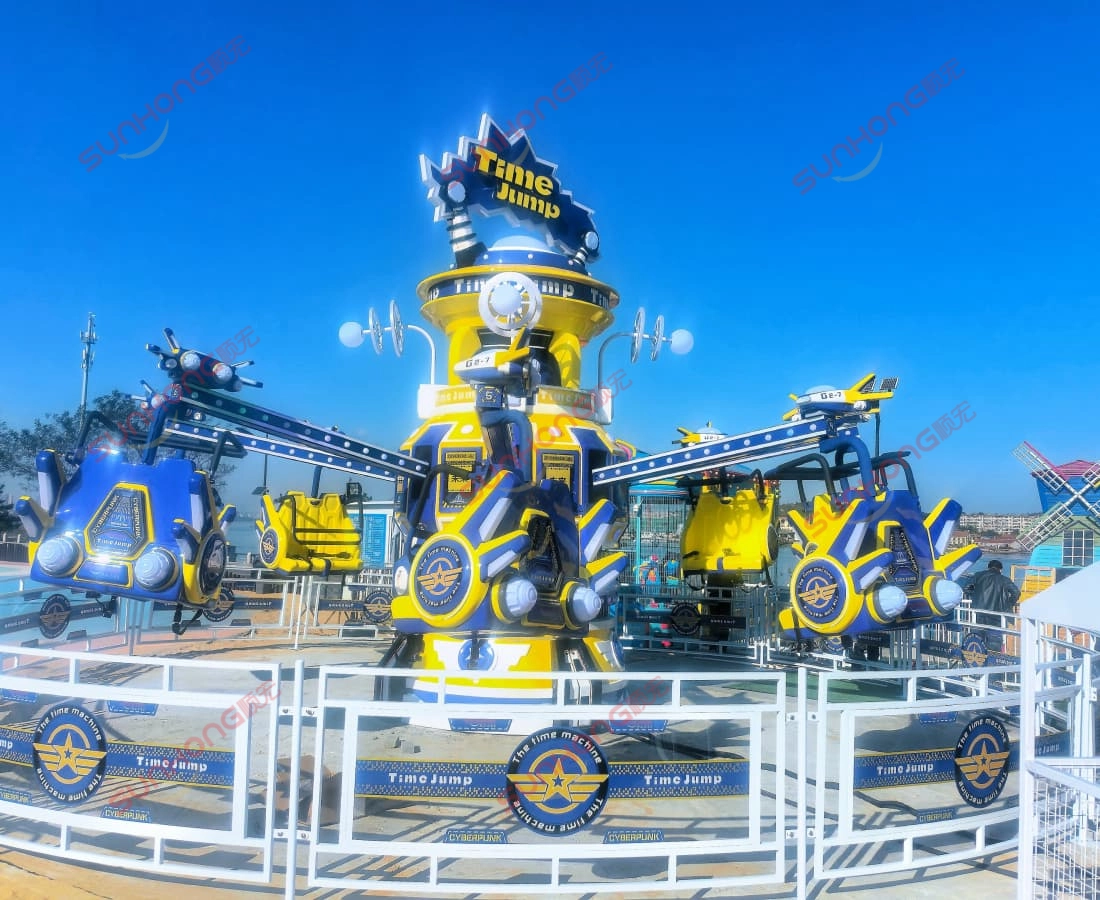
16-Seat Time Jump – Rotating Plane Ride for Amusement Parks
Time Jump is a thrilling and cost-effective amusement ride, 100% originally developed and manufactured by SUNHONG with patented certification. Designed for families and children, it combines motor drive and air-compressor cylinders to achieve dynamic movements—left-right rotation, variable-speed spinning, bouncing seats, and full 360-degree spins.
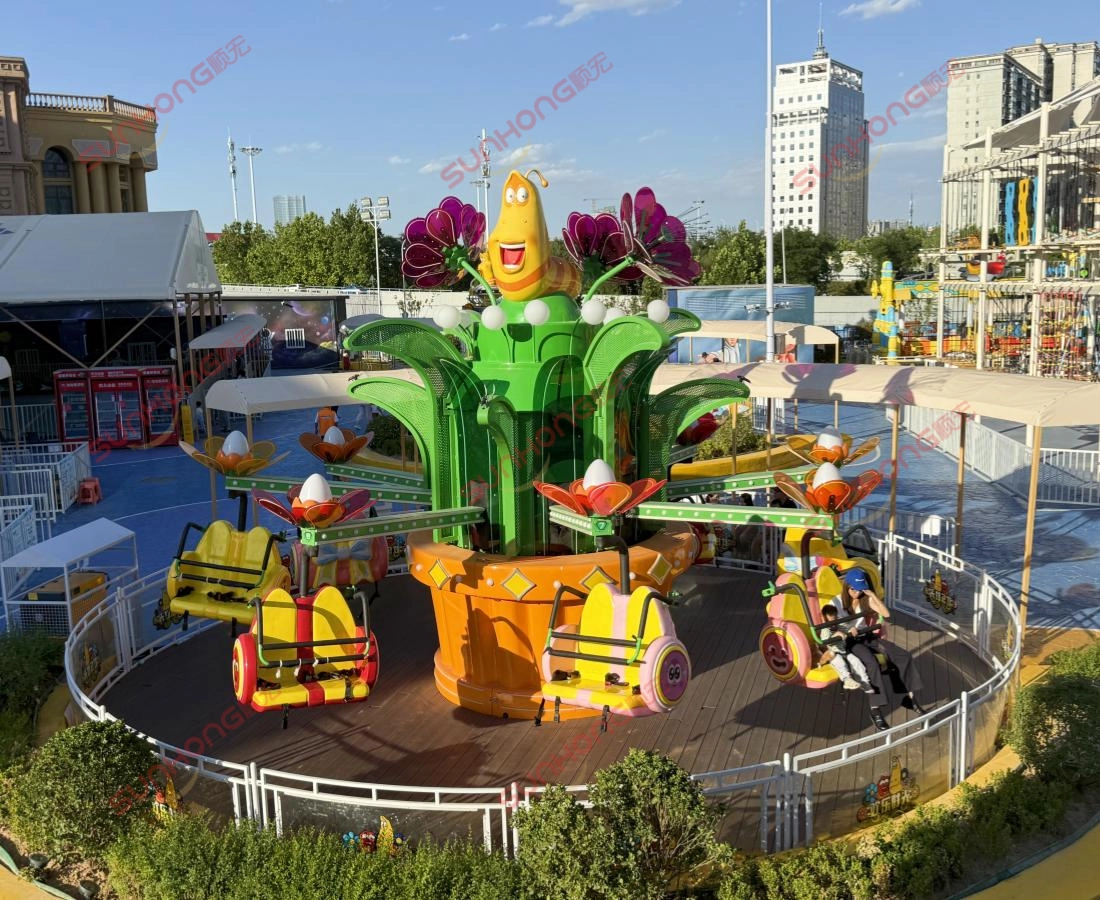
Larva Blooms Bounce Ride – Hot IP Custom Attraction with 360° Spin & Bounce
Larva Blooms is a patented bounce ride inspired by the hit Larva animation series. Featuring full platform rotation, 360° spinning seats, and dynamic bouncing motion, it delivers a thrilling ride experience for families and kids. IP customization available with OEM/ODM service.
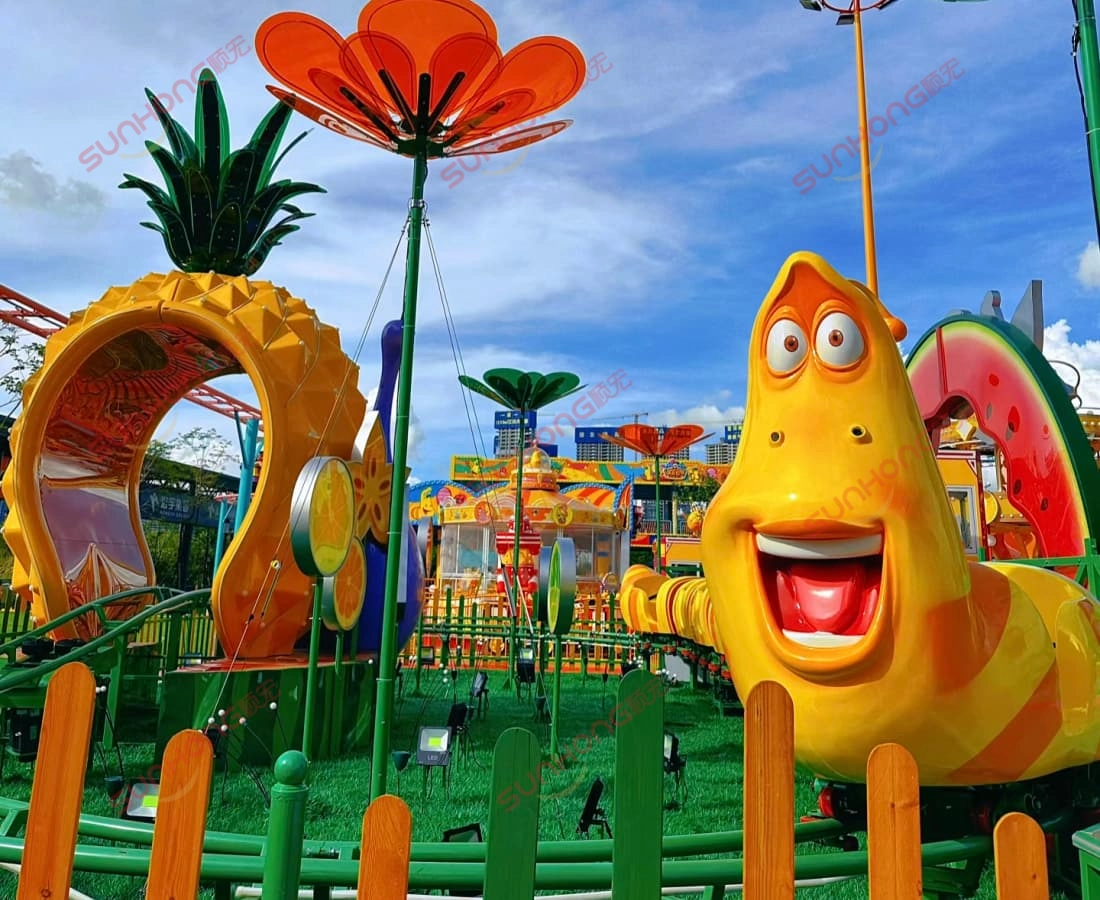
Larva Fruitland – A Mini Roller Coaster Adventure for Kids and Families
Larva Fruitland is a mini roller coaster themed after the Larva animated series. With vibrant colors and gentle motion, it’s perfect for kids and families. This small coaster features IP characters, a fruit farm design, and photo-worthy appeal. Ideal for indoor or outdoor parks. OEM/ODM customization available for your branding needs.

360 Degree Rotating Ride Swing Thrill Amusement Rides for Attractions
Air Bus is a stunning addition to our family amusement rides, delivering a one-of-a-kind 360° dual-rotation experience. With its swinging arm and self-spinning cabin, bright yellow flying-bus design, dynamic music effects, and customizable options, this ride is more than just entertainment—it’s a show-stopping centerpiece that helps your park attract crowds.
Leave a message
Ready to elevate your amusement offerings?
Contact Sunhong today to explore how we can bring your vision to life and create unforgettable experiences for your visitors.
* Rest assured that your privacy is important to us, and all information provided will be handled with the utmost confidentiality.
Copyright © 2025 SUNHONG All Reserved.
Whatsapp: +8613922331804
Guangzhou Shunhong Entertainment Equipment Co.,Ltd.
sunhongrides
SUNHONGAMUSEMENTRIDES
Scan QR Code