

Kiddie Coasters: Product Overview and Buyer Guide
Kiddie coasters are family-oriented amusement rides designed to introduce younger guests to the excitement of a roller coaster experience. Because no manufacturer, model, product URL, or technical specifications were provided, this overview does not make claims about a particular ride’s capacity, materials, safety certifications, age or height limits, warranty, or performance. Confirm those details directly with the manufacturer before purchase or operation.
Make an Informed Ride Selection
Match the ride to your venue
The right coaster depends on the available footprint, intended audience, operating environment, and the experience you want to provide. Before choosing a model, request its dimensional drawings and installation requirements, then compare them with your site plan. Account for access routes, surrounding attractions, guest circulation, and any space needed for queues or service access. These checks help prevent costly planning mismatches and support a practical installation process.
Review guest requirements carefully
Do not assume that a ride is suitable for every child based on its name or appearance. Ask the manufacturer for the approved rider age, height, weight, and supervision requirements, along with any restrictions for guests with health conditions or mobility needs. Make those requirements clear to staff and visitors, and follow the instructions supplied for the exact model. Clear eligibility rules help families make informed decisions and help operators apply requirements consistently.
Verify Safety and Operating Information
Request documentation before committing
Professional purchasing starts with evidence. Request the manufacturer’s operating and maintenance manuals, installation guidance, inspection schedule, and applicable conformity or safety documentation. Confirm which standards and regulations apply in your location and whether the supplied documentation addresses them. No certification or compliance status can be confirmed here because no product-specific records were supplied.
Plan for inspection and maintenance
Reliable operation depends on following the ride maker’s instructions, completing required inspections, and keeping accurate service records. Ask about routine maintenance tasks, recommended replacement parts, technical support, and how faults should be reported. Before opening the attraction each day, trained personnel should use the manufacturer’s procedures for checks and operation. Never substitute a general product description for the official instructions or qualified technical advice.
Buy with Clear Expectations
Confirm commercial terms and support
Before placing an order, obtain a written quotation that identifies the exact model, included equipment, delivery and installation responsibilities, training, warranty terms, and after-sales support. Clarify lead times and the process for addressing defects or service needs. These details allow buyers to compare offers on a like-for-like basis and reduce uncertainty after purchase.
A well-chosen family coaster can contribute to a welcoming attraction, but dependable results begin with verified product information and responsible operation. Use this category overview as a starting point, then assess the manufacturer’s specifications and documentation for the specific ride under consideration. Providing the product name, source page, and technical details would make it possible to create an accurate description of a particular model.
Product Image


Our Certifications

ISO 9001

Star Speed Appearance Design Patent Certificate

Certificate of compliance
Question you may concern
What are kiddie coasters, and who are they designed for?
Kiddie coasters are compact roller coasters designed for younger riders and family-friendly attractions. They typically feature a smaller track layout, gentler movement, and a lower ride height than major thrill coasters. The right model depends on the intended age and height range, local safety requirements, available space, and the experience you want to offer. Always check the manufacturer’s specifications and operating guidance before choosing a ride.
How do I choose the right kiddie coaster for my park or venue?
Start by comparing the coaster’s footprint, rider capacity, minimum height requirements, theme, and expected throughput with your venue’s needs. Also consider installation conditions, power requirements, accessibility, maintenance access, and the types of guests you serve. Ask suppliers for detailed technical documents, safety certifications applicable to your region, warranty terms, and references for similar installations. A clear comparison makes it easier to assess long-term value, not just the purchase price.
What safety features should I look for when buying kiddie coasters?
Review the complete safety system rather than relying on a single feature. Depending on the design, this may include rider restraints, seat belts, safety gates, emergency stop controls, operator visibility, and clear height or health warnings. Confirm which standards and inspections apply in your location, and request documentation from the manufacturer. Safe operation also depends on trained staff, daily inspections, scheduled maintenance, and following the ride’s operating manual.
How much space and site preparation do kiddie coasters require?
Space needs vary by coaster model and can include more than the track footprint. Plan for the ride structure, loading and unloading areas, queue lines, safe clearance zones, operator access, and space for maintenance or emergency response. Site conditions, foundations, utilities, and local planning rules may also affect installation. Request a site plan and installation requirements from the supplier, then have qualified local professionals review the proposed location before purchase.
What affects the total cost and ongoing maintenance of kiddie coasters?
The total investment may include the coaster, shipping, installation, site preparation, permits, staff training, insurance, and ongoing inspections. Maintenance costs depend on the ride’s design, usage, environment, replacement-part availability, and service schedule. Before ordering, ask for a written breakdown of included services, warranty coverage, recommended maintenance intervals, spare-parts support, and expected operating requirements. These details help you evaluate the full cost of ownership and plan for reliable operation.
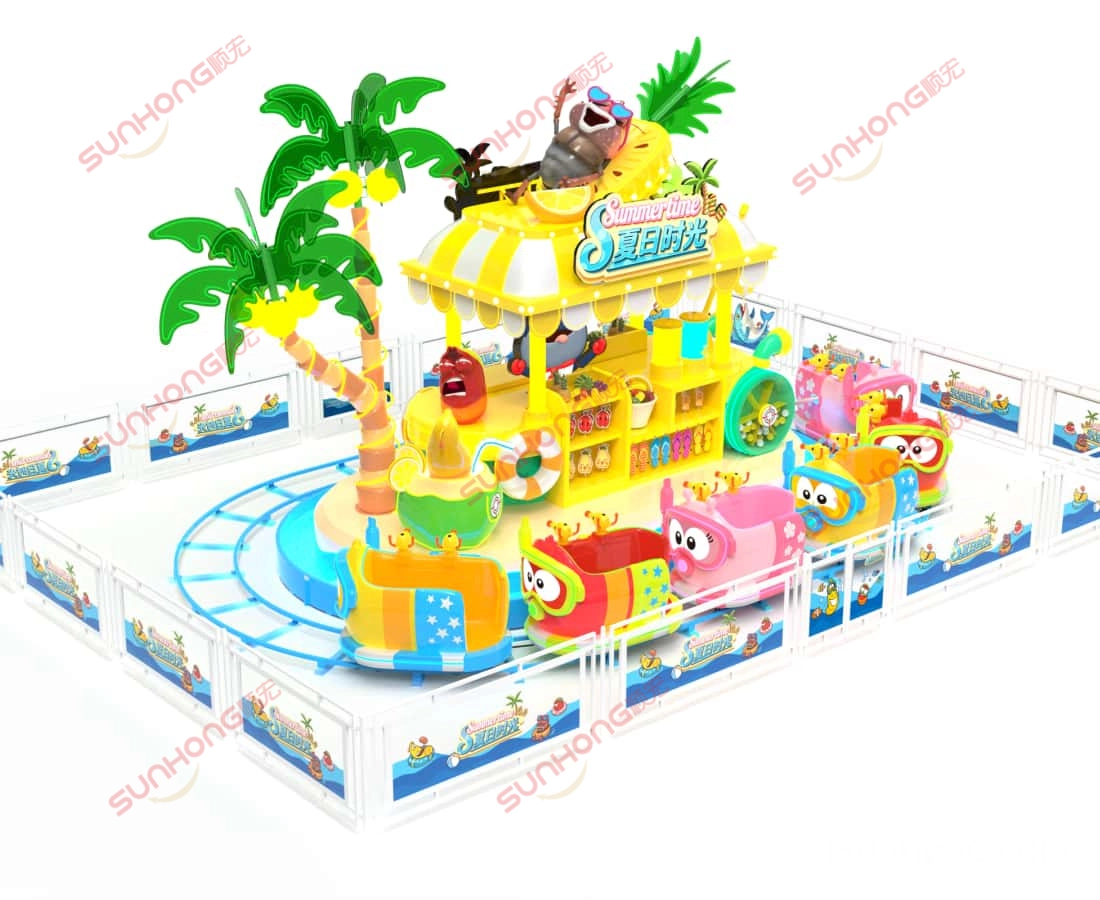
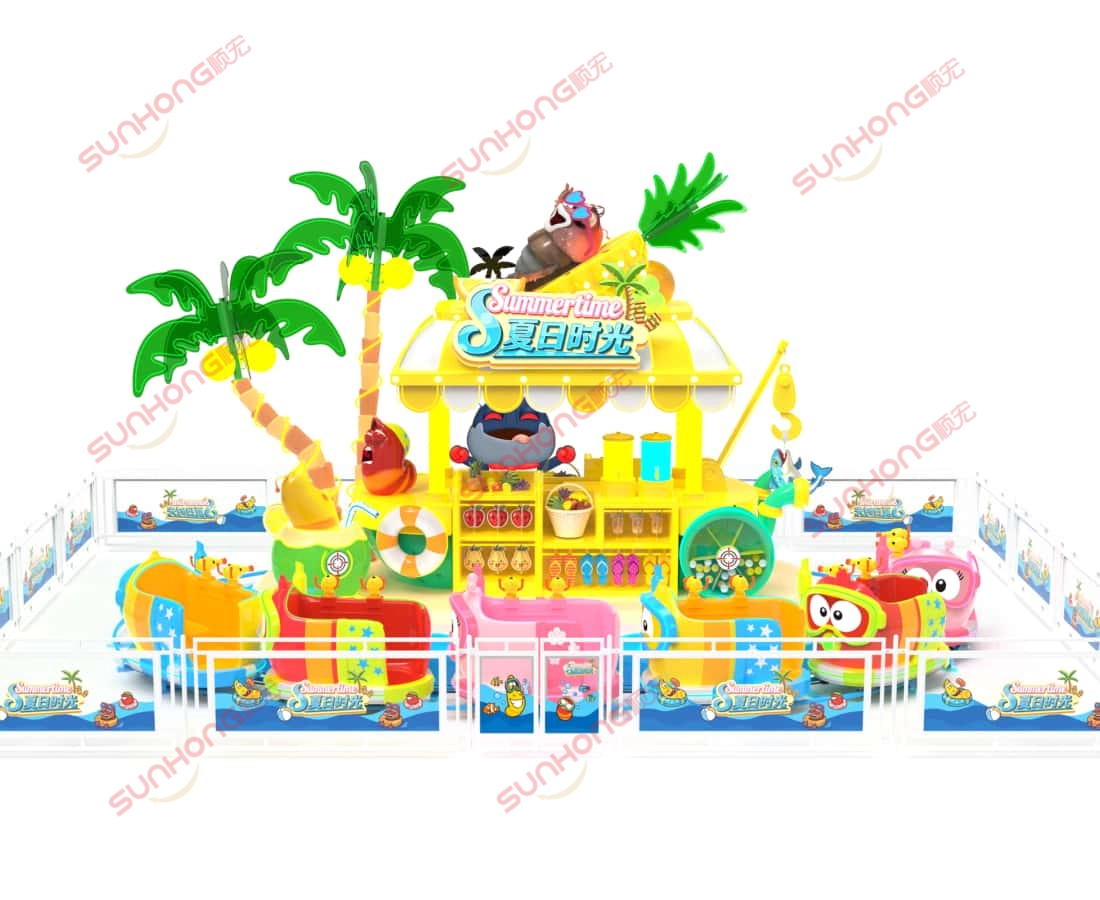
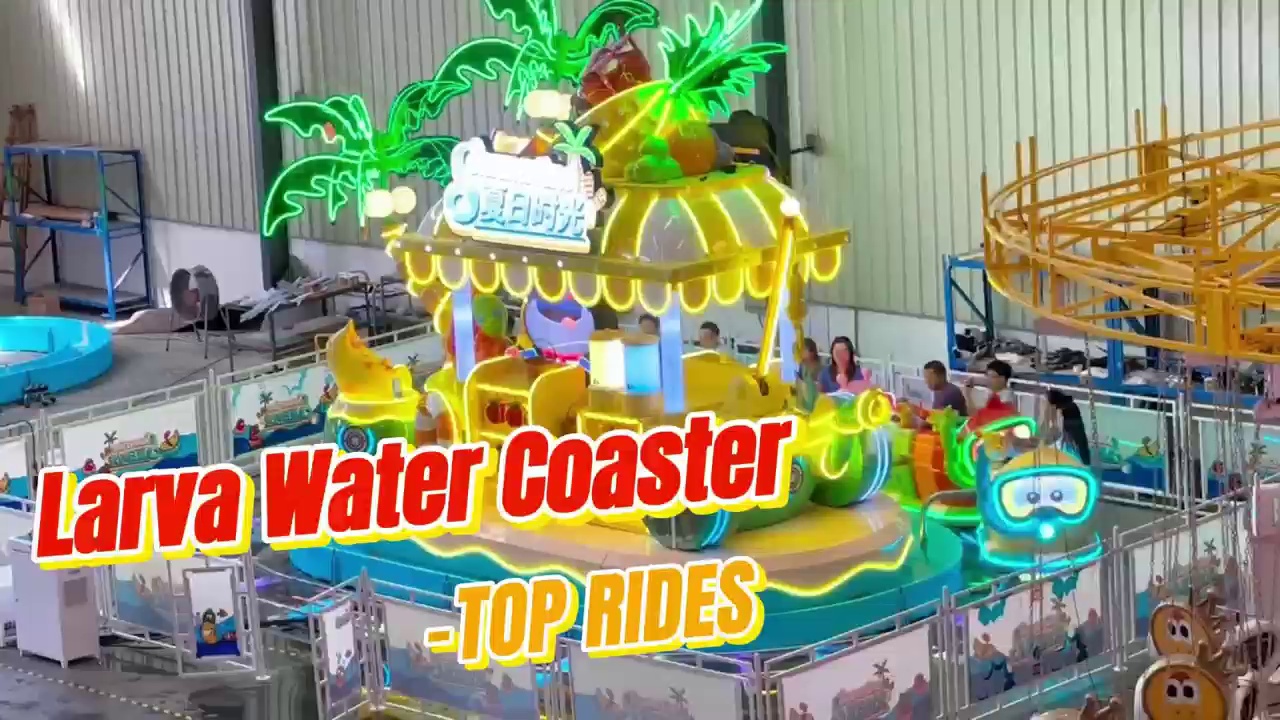
Larva Water Coaster is a mini water roller coaster designed for kids aged 3–12, combining a fun coaster ride with interactive water play. Riders can enjoy water sprays and use water guns to hit targets and trigger sound effects. With 6–9 cars and 12–18 seats, it is ideal for water parks, outdoor amusement parks, and resorts.
Larva Water Coaster is a mini water roller coaster designed for kids aged 3–12, combining a fun coaster ride with interactive water play. Riders can enjoy water sprays and use water guns to hit targets and trigger sound effects. With 6–9 cars and 12–18 seats, it is ideal for water parks, outdoor amusement parks, and resorts.

Discover SUNHONG’s Small Amusement Rides Thomas Train Rides for Sale—perfect for parks, malls, and events. Our durable, safe amusement train rides for sale offer engaging experiences for children, ensuring reliable entertainment and lasting fun. Choose SUNHONG for high-quality amusement train rides for sale today!

The Dream Carousel's sweet candy style and lollipop model add a cute and playful touch, making it a major highlight of any amusement park. Driven by a two-phase motor, this ride offers strong stability, making it perfect for families and children. SUNHONG also provides OEM/ODM services—contact us to explore more color options and seating capacities.
Copyright © 2025 SUNHONG All Reserved.
Whatsapp: +8613922331804
Guangzhou Shunhong Entertainment Equipment Co.,Ltd.
sunhongrides
SUNHONGAMUSEMENTRIDES
Scan QR Code